THE ADVENTURE COLLECTIVE® · Independent discovery and booking for outdoor travel

Descend from the Kintamani rim into Bali’s rural backroads on a guided downhill bike ride that threads rice terraces, village compounds, woodcarver workshops and a garden lunch in Pejeng. Expect gentle grades, cultural stops and panoramic Caldera views.
Descend from the Kintamani rim into Bali’s rural backroads on a guided downhill bike ride that threads rice terraces, village compounds, woodcarver workshops and a garden lunch in Pejeng. Expect gentle grades, cultural stops and panoramic Caldera views.
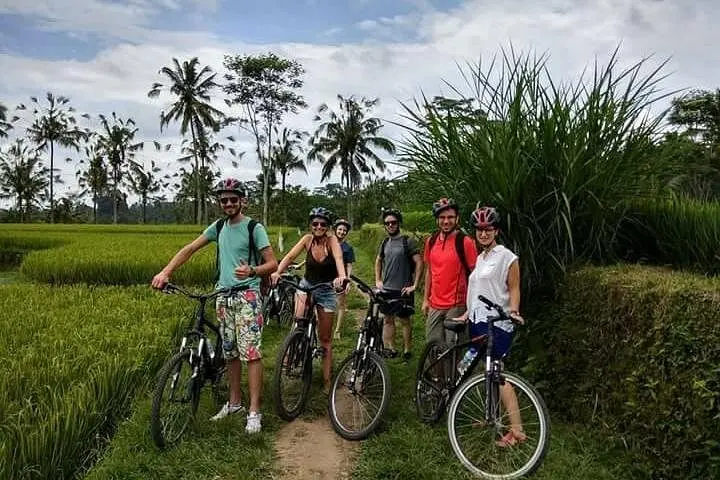
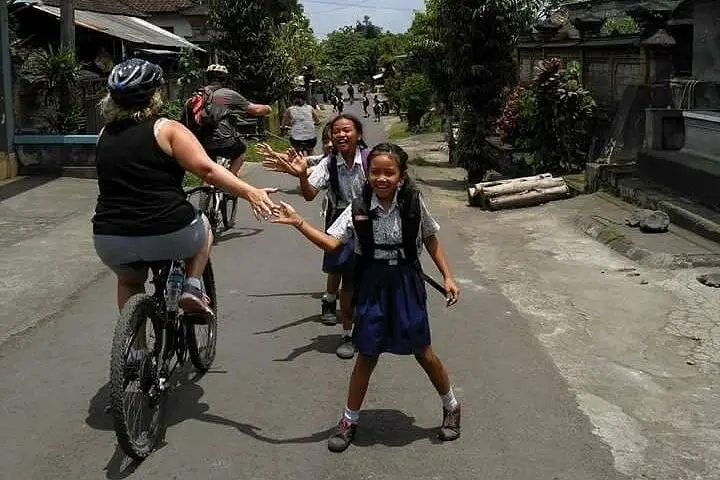
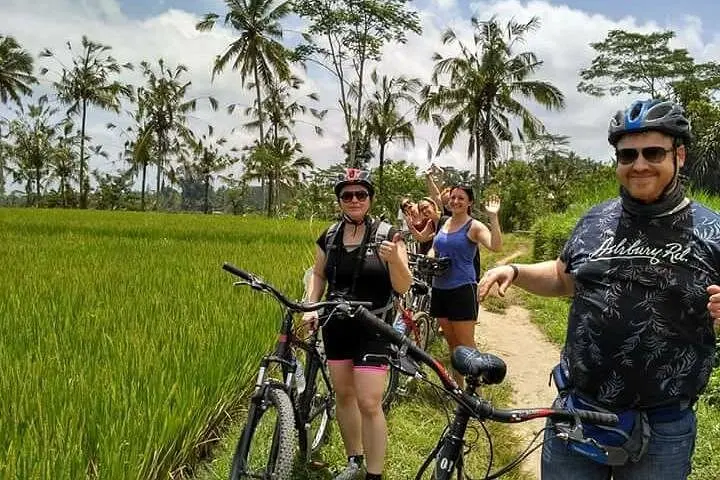
The tour opens with the hush of morning light over Ubud as cyclists meet at a small depot and climb into an air‑conditioned van bound for the Kintamani rim. From there the day unravels as a gentle descent: the road loosens into backlanes, rice paddies slide past like pages, and temple gates punctuate village life where offerings are laid on low stone shrines.
Verified experiences and guided adventures in the surrounding area.
Operated by Bali Bintang Tour · Ubud, Bali
The tour opens with the hush of morning light over Ubud as cyclists meet at a small depot and climb into an air‑conditioned van bound for the Kintamani rim. From there the day unravels as a gentle descent: the road loosens into backlanes, rice paddies slide past like pages, and temple gates punctuate village life where offerings are laid on low stone shrines.
Geology shapes the route—views across the Batur caldera recall volcanic upheaval that raised steep ridgelines and formed fertile terraces farmers still tend by hand. Culture arrives in unexpected stops: a traditional Balinese compound offers an inside look at daily ritual, Mas woodcarvers shape teak beside the road, and the village of Pejeng holds the slow rhythm of life, with women preparing intricate offerings and a garden lunch served in an open kitchen.
Expect mostly downhill riding on paved and compact dirt lanes with short, manageable pedaling sections and occasional uneven surfaces. The operator supplies bikes, helmets, bottled water, and a mid‑ride coffee and fried banana at a Kintamani lookout; the day finishes with a substantial Indonesian lunch in Pejeng. Travel time is about eight hours including transfers—plan for sun, sudden showers in the wet season, and close contact with local communities.
Practical tips: wear closed‑toe shoes, bring sunscreen and a light rain shell, and be ready to dismount around narrow village streets. Respect temple etiquette—cover shoulders and avoid stepping over offerings. This is a social, low‑impact way to see Bali’s landscapes and daily life without demanding advanced cycling skills.
No—this is a downhill-focused route suited to beginners and casual cyclists; guides handle navigation and brief instruction is provided.
Bikes, helmets, bottled water, coffee or tea with fried banana at Kintamani, lunch in Pejeng, and air‑conditioned transfers are included.
Child bike sizes and seats are available, but confirm age and size requirements with the operator when booking.
Full refunds are generally available if you cancel at least 24 hours before the scheduled departure; the operator may cancel for bad weather or low participation.
Bali Bintang Tour operates guided outdoor trips and adventures with an emphasis on safety, stewardship, and memorable experiences.

The tour opens with the hush of morning light over Ubud as cyclists meet at a small depot and climb into an air‑conditioned van bound for the Kintamani rim. From there the day unravels as a gentle descent: the road loosens into backlanes, rice paddies slide past like pages, and temple gates punctuate village life where offerings are laid on low stone shrines.
The tour opens with the hush of morning light over Ubud as cyclists meet at a small depot and climb into an air‑conditioned van bound for the Kintamani rim. From there the day unravels as a gentle descent: the road loosens into backlanes, rice paddies slide past like pages, and temple gates punctuate village life where offerings are laid on low stone shrines.
Geology shapes the route—views across the Batur caldera recall volcanic upheaval that raised steep ridgelines and formed fertile terraces farmers still tend by hand. Culture arrives in unexpected stops: a traditional Balinese compound offers an inside look at daily ritual, Mas woodcarvers shape teak beside the road, and the village of Pejeng holds the slow rhythm of life, with women preparing intricate offerings and a garden lunch served in an open kitchen.
Expect mostly downhill riding on paved and compact dirt lanes with short, manageable pedaling sections and occasional uneven surfaces. The operator supplies bikes, helmets, bottled water, and a mid‑ride coffee and fried banana at a Kintamani lookout; the day finishes with a substantial Indonesian lunch in Pejeng. Travel time is about eight hours including transfers—plan for sun, sudden showers in the wet season, and close contact with local communities.
Practical tips: wear closed‑toe shoes, bring sunscreen and a light rain shell, and be ready to dismount around narrow village streets. Respect temple etiquette—cover shoulders and avoid stepping over offerings. This is a social, low‑impact way to see Bali’s landscapes and daily life without demanding advanced cycling skills.