THE ADVENTURE COLLECTIVE® · Independent discovery and booking for outdoor travel

Two days that stitch sunrise at Lempuyang, artisan workshops in Ubud, a waterfall plunge, volcanic views at Kintamani, and a cliff‑top Kecak sunset into a compact exploration of Bali’s landscapes and culture. Ideal for travelers who want both scenery and context without a long trek.
Two days that stitch sunrise at Lempuyang, artisan workshops in Ubud, a waterfall plunge, volcanic views at Kintamani, and a cliff‑top Kecak sunset into a compact exploration of Bali’s landscapes and culture. Ideal for travelers who want both scenery and context without a long trek.
You arrive before dawn at Lempuyang’s ‘Gate of Heaven,’ where the stone frame holds Mount Agung like a sleeping giant; the first light slides across rice terraces and the air smells of incense and wet earth.
Verified experiences and guided adventures in the surrounding area.
Operated by Dewa anom · Kuta, Bali
You arrive before dawn at Lempuyang’s ‘Gate of Heaven,’ where the stone frame holds Mount Agung like a sleeping giant; the first light slides across rice terraces and the air smells of incense and wet earth.
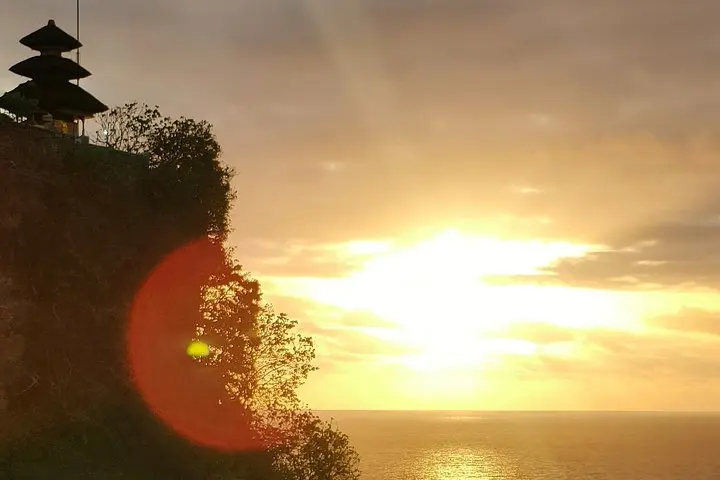
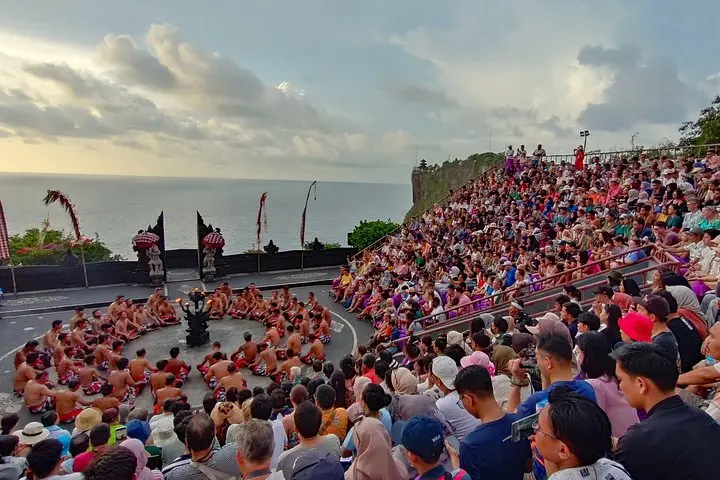
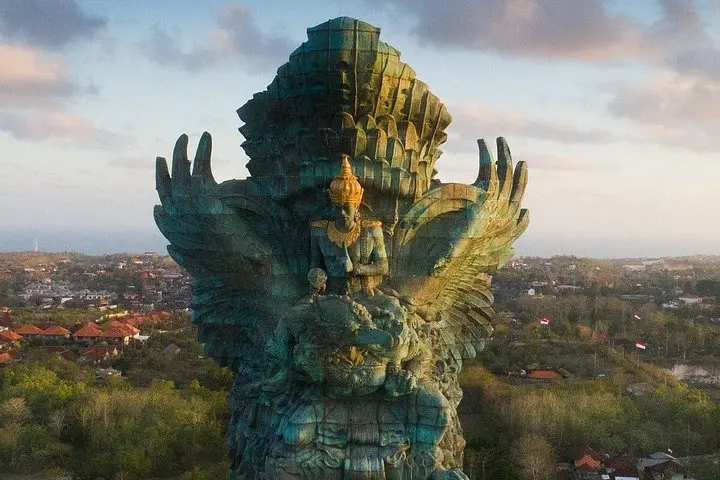
The itinerary reads like a cross-section of Bali: sunrise at Lempuyang, swings over emerald rice paddies, Ubud’s artisan stalls, a silver-smith’s bench, a clear plunge at Tegenungan, Kintamani’s volcanic skyline with Mount Batur and Lake Batur, then south to Garuda Wisnu Kencana and the cliff-top drama of Uluwatu as the Kecak chant meets sunset.
Geology and culture are inseparable here. Mount Batur is an active caldera whose eruptions shaped eastern Bali’s lakes and soils; temples perched on promontories use the island’s dramatic coastal limestone and volcanic highlands to stage rituals. Celuk’s silversmiths keep centuries-old techniques alive, while the Kecak dance — a circle of chanting men — traces its modern form to the early 20th century but borrows from much older Hindu epics.
Practical notes: this is a moderate-paced, two-day private tour that moves across variable terrain — temple steps, paved village roads, and short waterfall descents. Expect early starts for Lempuyang, several stair sections at temples and Tegenungan, and short walks at viewpoints. Bring modest temple clothing, sturdy shoes for cliffs and waterfalls, sun protection, and small cash for market bargaining. Hydrate in Bali’s humidity and plan 1–2 hours at key stops to avoid rush. Monkeys in Uluwatu can be bold — secure phones and glasses. With a mix of cultural performance, geology, and craft workshops, this loop gives a compact, practical snapshot of Bali’s many faces.
Expect a pre-dawn pickup; arrive at the gate 45–60 minutes before sunrise to beat queues and capture the light.
Some attraction fees are included per the tour details, but small donations, parking, or optional photo charges may require cash on-site.
Families can participate but the tour includes stairs and some uneven terrain; travelers with limited mobility should notify the operator in advance.
The park has entry areas and cultural shows; access beyond public viewing zones depends on park rules and ticket inclusions that day.
Dewa anom operates guided outdoor trips and adventures with an emphasis on safety, stewardship, and memorable experiences.
You arrive before dawn at Lempuyang’s ‘Gate of Heaven,’ where the stone frame holds Mount Agung like a sleeping giant; the first light slides across rice terraces and the air smells of incense and wet earth.
You arrive before dawn at Lempuyang’s ‘Gate of Heaven,’ where the stone frame holds Mount Agung like a sleeping giant; the first light slides across rice terraces and the air smells of incense and wet earth.
The itinerary reads like a cross-section of Bali: sunrise at Lempuyang, swings over emerald rice paddies, Ubud’s artisan stalls, a silver-smith’s bench, a clear plunge at Tegenungan, Kintamani’s volcanic skyline with Mount Batur and Lake Batur, then south to Garuda Wisnu Kencana and the cliff-top drama of Uluwatu as the Kecak chant meets sunset.
Geology and culture are inseparable here. Mount Batur is an active caldera whose eruptions shaped eastern Bali’s lakes and soils; temples perched on promontories use the island’s dramatic coastal limestone and volcanic highlands to stage rituals. Celuk’s silversmiths keep centuries-old techniques alive, while the Kecak dance — a circle of chanting men — traces its modern form to the early 20th century but borrows from much older Hindu epics.
Practical notes: this is a moderate-paced, two-day private tour that moves across variable terrain — temple steps, paved village roads, and short waterfall descents. Expect early starts for Lempuyang, several stair sections at temples and Tegenungan, and short walks at viewpoints. Bring modest temple clothing, sturdy shoes for cliffs and waterfalls, sun protection, and small cash for market bargaining. Hydrate in Bali’s humidity and plan 1–2 hours at key stops to avoid rush. Monkeys in Uluwatu can be bold — secure phones and glasses. With a mix of cultural performance, geology, and craft workshops, this loop gives a compact, practical snapshot of Bali’s many faces.