
Bali Full-Day Easy Trekking and Culture: Jatiluwih Rice Terraces & Hands-On Workshops
Spend a day walking the UNESCO-listed Jatiluwih rice terraces and learning Balinese crafts—from Aksara calligraphy to making Boreh scrub. This easy full-day tour pairs scenic, low-impact trekking with hands-on cultural workshops and local meals.
An Adventure In Ubud.
Spend a day walking the UNESCO-listed Jatiluwih rice terraces and learning Balinese crafts—from Aksara calligraphy to making Boreh scrub. This easy full-day tour pairs scenic, low-impact trekking with hands-on cultural workshops and local meals.
Read the full experience
You start the day with the air cooling around you and a ribbon of path winding between stepped paddies; the terraces seem to breathe as water channels reflect the sky and call the eye toward Mount Batukaru on the horizon.
You start the day with the air cooling around you and a ribbon of path winding between stepped paddies; the terraces seem to breathe as water channels reflect the sky and call the eye toward Mount Batukaru on the horizon.
Jatiluwih’s terraces are part of Bali’s centuries-old subak irrigation system, a living cultural landscape recognized by UNESCO for the cooperative water management that shapes the island’s agriculture. The land here is volcanic in origin—fertile and sculpted by flows and rains—so terraces cling to contours, creating panoramic ledges and intimate village lanes.
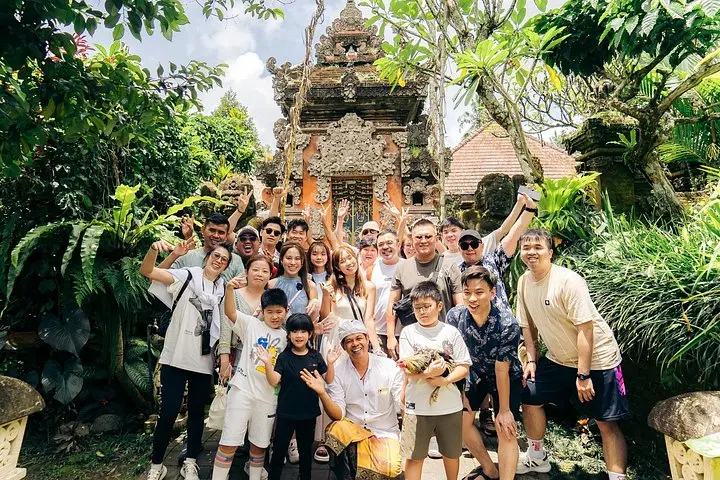
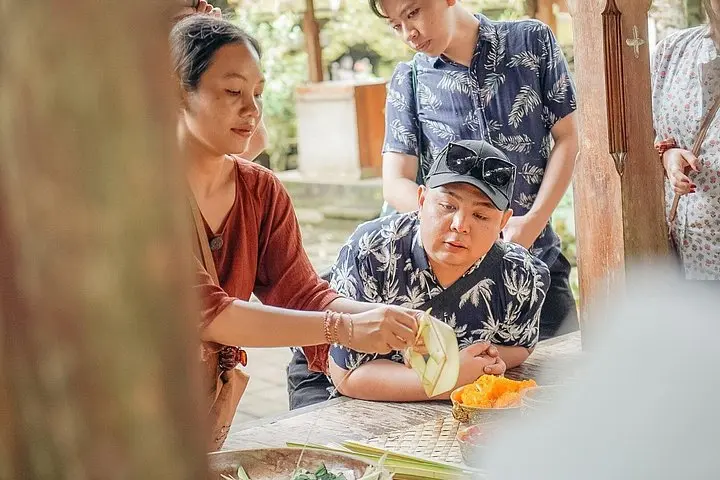
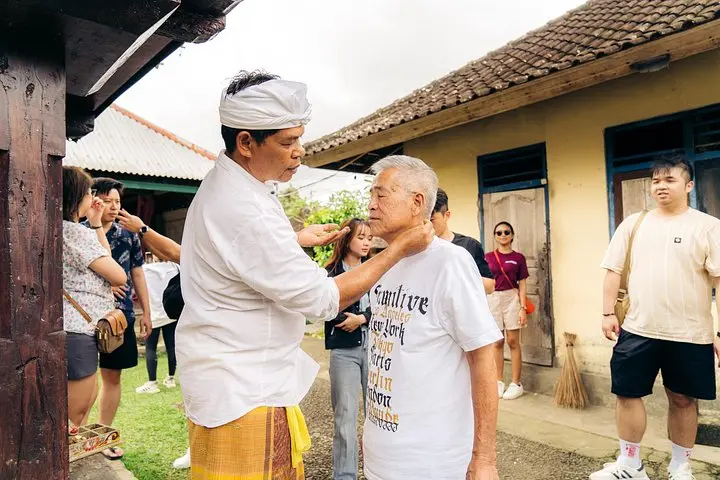
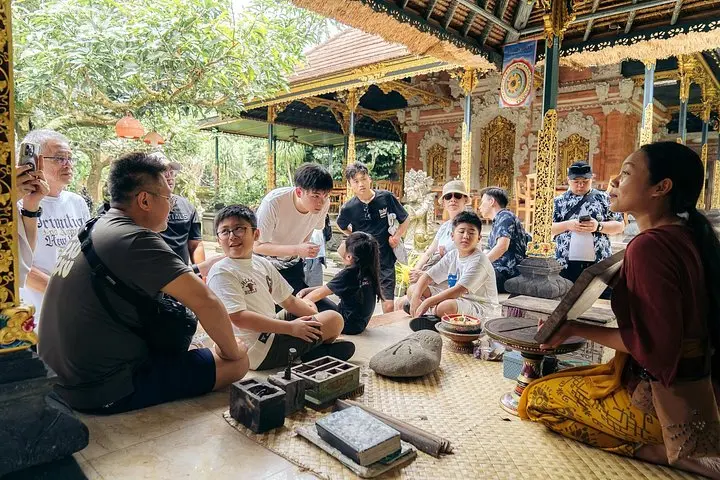
Walks follow well-trodden farm paths past farmers repairing bunds, irrigation canals trickling like deliberate rivers, and roadside warungs serving strong coffee. Later in the day the itinerary shifts to craft: learning Aksara Bali calligraphy, mixing Boreh herbal scrub, and assembling a Canang offering—each workshop rooted in local rituals and daily life.
Practical guidance: the trek is rated easy—expect 2–3 hours of walking over uneven, sometimes muddy ground and short rises. Wear durable, grippy shoes and bring a light rain shell during the wet season. The trip includes bottled water, lunch, and air-conditioned transfers, so hydration and sun protection are your main concerns. Time visits for morning light (or mid-afternoon to avoid crowds) and be ready to engage respectfully—these are working landscapes with living traditions. By day’s end you’ll have both fresh countryside views and tangible keepsakes made with local hands.
Frequently asked questions
The trek is easy: mostly gentle paths and short ascents across terraces; suitable for beginners and families.
Yes—workshops like Canang making and Boreh mixing are hands-on and family-friendly, though supervision is recommended for young kids.
Yes—the tour includes air-conditioned transfers; confirm pickup point when booking (Seminyak, Ubud options common).
Entrance fees to the Jatiluwih area and lunch are included, along with bottled water as listed in the itinerary.
About This Experience
From62 Travel operates guided outdoor trips and adventures with an emphasis on safety, stewardship, and memorable experiences.
Adventure tips
Recommended gear
- Sturdy trail shoes: Provides grip on wet or uneven terrace paths.
- Light rain jacket: Keeps you dry during tropical showers common in the wet season.
- Sun protection (hat, sunscreen): Protects against strong midday sun during dry months.
- Small daypack: Carries water, camera, and purchases from village stalls.
Photos of the experience
Related adventures & guides
Read the full experience
You start the day with the air cooling around you and a ribbon of path winding between stepped paddies; the terraces seem to breathe as water channels reflect the sky and call the eye toward Mount Batukaru on the horizon.
You start the day with the air cooling around you and a ribbon of path winding between stepped paddies; the terraces seem to breathe as water channels reflect the sky and call the eye toward Mount Batukaru on the horizon.
Jatiluwih’s terraces are part of Bali’s centuries-old subak irrigation system, a living cultural landscape recognized by UNESCO for the cooperative water management that shapes the island’s agriculture. The land here is volcanic in origin—fertile and sculpted by flows and rains—so terraces cling to contours, creating panoramic ledges and intimate village lanes.
Walks follow well-trodden farm paths past farmers repairing bunds, irrigation canals trickling like deliberate rivers, and roadside warungs serving strong coffee. Later in the day the itinerary shifts to craft: learning Aksara Bali calligraphy, mixing Boreh herbal scrub, and assembling a Canang offering—each workshop rooted in local rituals and daily life.
Practical guidance: the trek is rated easy—expect 2–3 hours of walking over uneven, sometimes muddy ground and short rises. Wear durable, grippy shoes and bring a light rain shell during the wet season. The trip includes bottled water, lunch, and air-conditioned transfers, so hydration and sun protection are your main concerns. Time visits for morning light (or mid-afternoon to avoid crowds) and be ready to engage respectfully—these are working landscapes with living traditions. By day’s end you’ll have both fresh countryside views and tangible keepsakes made with local hands.
Make a day of it nearby.
Verified experiences and guided adventures in the surrounding area.