THE ADVENTURE COLLECTIVE® · Independent discovery and booking for outdoor travel

A full‑day guided loop from Ubud that pairs Tegenungan Waterfall and Tegalalang Rice Terrace with cultural stops at Goa Gajah, Ubud Palace and the Monkey Forest. Expect humid walks, temple rites, and close encounters with long‑tailed macaques—plan for stairs, modest dress and local cash.
A full‑day guided loop from Ubud that pairs Tegenungan Waterfall and Tegalalang Rice Terrace with cultural stops at Goa Gajah, Ubud Palace and the Monkey Forest. Expect humid walks, temple rites, and close encounters with long‑tailed macaques—plan for stairs, modest dress and local cash.
You step out of the air‑conditioned minivan and the island breathes around you: humid air, a chorus of distant birds, and the steady drum of water moving downhill. At Tegenungan the fall dares you closer — spray on your face, steep stone steps underfoot and a canyon of green-rock walls that amplify the sound. Later, the rice terraces unfold like worked layers of green that seem to inhale and exhale with the farmers’ rhythms.
Verified experiences and guided adventures in the surrounding area.
Operated by Bali View Tours · Ubud, Bali
You step out of the air‑conditioned minivan and the island breathes around you: humid air, a chorus of distant birds, and the steady drum of water moving downhill. At Tegenungan the fall dares you closer — spray on your face, steep stone steps underfoot and a canyon of green-rock walls that amplify the sound. Later, the rice terraces unfold like worked layers of green that seem to inhale and exhale with the farmers’ rhythms.
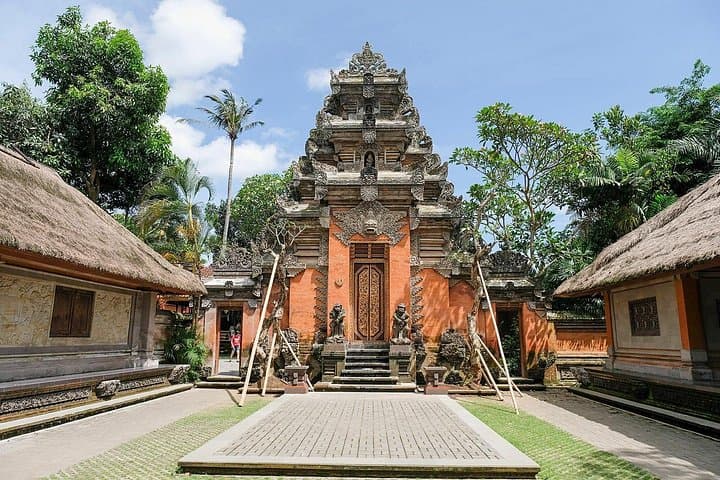
This loop through Ubud crosses eras: Goa Gajah’s carved mouth and bathing pools date back to early medieval Bali; Puri Saren (Ubud Royal Palace) reflects the island’s aristocratic court traditions of the 19th century; Tegalalang’s subak terraces are living examples of Bali’s unique water cooperative system and part of the Cultural Landscape UNESCO designation. The Monkey Forest is both sanctuary and cultural site, managed by the village with temples and resident long‑tailed macaques that have lived here for generations.
Practical guidance: plan a 7–10 hour day with multiple short walks and stair sections—comfortable walking shoes and a light rain jacket are useful. Temples require modest dress; a sarong is often available at entrances. Expect variable ticket policies (some packages include entrance fees and lunch; confirm when booking). Keep a firm grip on phones and sunglasses around macaques and avoid feeding wildlife. Carry local cash for small purchases at stalls and tips for drivers. Start early to avoid the midafternoon crowds at Tegalalang, and hydrate often — humidity makes effort feel harder than the elevation. This is a full but accessible day that mixes geology, culture and wildlife for a rounded Bali introduction.
Some options include entrance fees and lunch while others are car‑charter only; confirm the booking details—drivers often clarify on pickup.
The day has many stairs and short hikes; families and older travelers can participate but should assess mobility and avoid steep descents.
Touching or feeding macaques is discouraged for safety and conservation; observe from a short distance and secure belongings.
Aim for an early pickup (around 8:00 AM) to enjoy Tegenungan and Tegalalang before mid‑day tourism peaks and heat builds.
Bali View Tours operates guided outdoor trips and adventures with an emphasis on safety, stewardship, and memorable experiences.
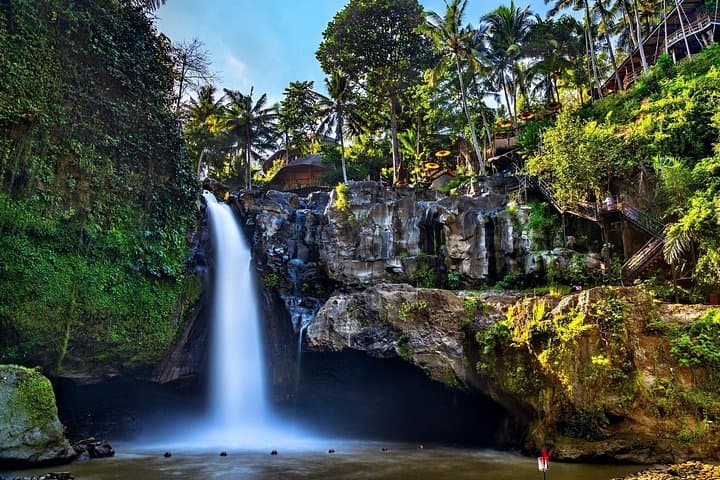
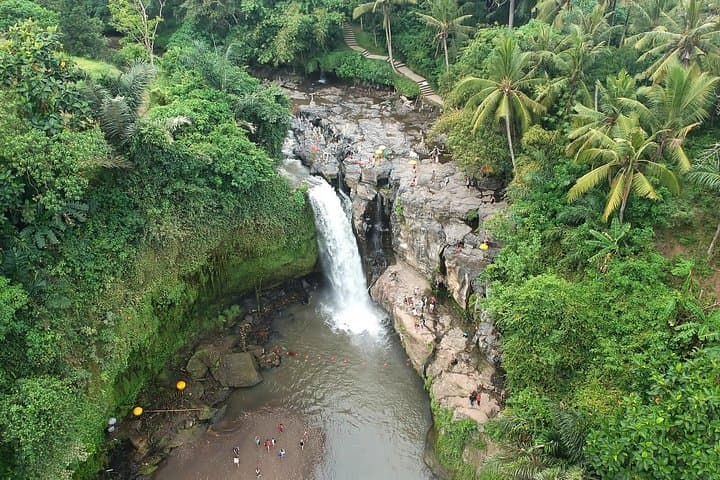

You step out of the air‑conditioned minivan and the island breathes around you: humid air, a chorus of distant birds, and the steady drum of water moving downhill. At Tegenungan the fall dares you closer — spray on your face, steep stone steps underfoot and a canyon of green-rock walls that amplify the sound. Later, the rice terraces unfold like worked layers of green that seem to inhale and exhale with the farmers’ rhythms.
You step out of the air‑conditioned minivan and the island breathes around you: humid air, a chorus of distant birds, and the steady drum of water moving downhill. At Tegenungan the fall dares you closer — spray on your face, steep stone steps underfoot and a canyon of green-rock walls that amplify the sound. Later, the rice terraces unfold like worked layers of green that seem to inhale and exhale with the farmers’ rhythms.
This loop through Ubud crosses eras: Goa Gajah’s carved mouth and bathing pools date back to early medieval Bali; Puri Saren (Ubud Royal Palace) reflects the island’s aristocratic court traditions of the 19th century; Tegalalang’s subak terraces are living examples of Bali’s unique water cooperative system and part of the Cultural Landscape UNESCO designation. The Monkey Forest is both sanctuary and cultural site, managed by the village with temples and resident long‑tailed macaques that have lived here for generations.
Practical guidance: plan a 7–10 hour day with multiple short walks and stair sections—comfortable walking shoes and a light rain jacket are useful. Temples require modest dress; a sarong is often available at entrances. Expect variable ticket policies (some packages include entrance fees and lunch; confirm when booking). Keep a firm grip on phones and sunglasses around macaques and avoid feeding wildlife. Carry local cash for small purchases at stalls and tips for drivers. Start early to avoid the midafternoon crowds at Tegalalang, and hydrate often — humidity makes effort feel harder than the elevation. This is a full but accessible day that mixes geology, culture and wildlife for a rounded Bali introduction.