THE ADVENTURE COLLECTIVE® · Independent discovery and booking for outdoor travel

A single day in central Ubud packs an adrenaline hit, temple history, terraced rice views and a towering waterfall. This guided loop is ideal for travelers who want curated access to Bali’s top natural and cultural stops with hotel pickup included.
A single day in central Ubud packs an adrenaline hit, temple history, terraced rice views and a towering waterfall. This guided loop is ideal for travelers who want curated access to Bali’s top natural and cultural stops with hotel pickup included.
You step out of the air-conditioned van into a humid green that feels alive—the forest breathes, the river below seems to tug at your curiosity, and a row of swings hangs over rice paddies like invitations. This full‑day Ubud loop threads adrenaline and culture: a quick adrenaline rush on the jungle swing, close encounters at the Monkey Forest, the carved stone mouth of Goa Gajah, terraces that angle like stepped mirrors, and the thunder of Tegenungan waterfall.
Verified experiences and guided adventures in the surrounding area.
Operated by Padi Bali Driver · Ubud, Bali
You step out of the air-conditioned van into a humid green that feels alive—the forest breathes, the river below seems to tug at your curiosity, and a row of swings hangs over rice paddies like invitations. This full‑day Ubud loop threads adrenaline and culture: a quick adrenaline rush on the jungle swing, close encounters at the Monkey Forest, the carved stone mouth of Goa Gajah, terraces that angle like stepped mirrors, and the thunder of Tegenungan waterfall.
Goa Gajah dates to roughly the 9th–11th century and reflects Bali’s layered Hindu-Buddhist past; the rice terraces here are shaped by the centuries-old subak irrigation system that still governs local agriculture. Geologically, central Bali is volcanic clay and basalt; that rich soil feeds the paddies and the dense tropical growth that gives the swings their dramatic backdrop. Coffee plantations nearby showcase Bali’s grown‑by-hand approach—try the kopi luwak for cultural context, not just novelty.
Practical guidance: this is a largely easy-to-moderate day of short walks, photo stops, and brief climbs—expect stairs at waterfalls and uneven terrace edges. Wear sturdy shoes with grip, bring sun and rain protection, and carry local currency for small entrance fees or tips. Plan for early pickup to avoid midday heat and crowds; bring insect repellent and a light towel if you want to cool off at Tegenungan. Respect the macaques—don’t feed or dangle food—and follow guides’ instructions on swing safety. When you leave, you’ll have photos, a sharper sense of Bali’s living landscape, and the quiet energy of a place that keeps moving even when you stop to look.
Operators provide harnesses and briefings; follow staff instructions and any weight/age limits they set for each swing.
Macaques can be bold around food and shiny objects—do not feed them, keep valuables stowed, and step back if one approaches.
Yes—most bookings include hotel pickup and drop‑off within the Ubud area; confirm your exact pickup point when booking.
Yes—most stops allow a short walk through the garden and offer tastings; you can decline specific tastings while still touring the farm.
Padi Bali Driver operates guided outdoor trips and adventures with an emphasis on safety, stewardship, and memorable experiences.


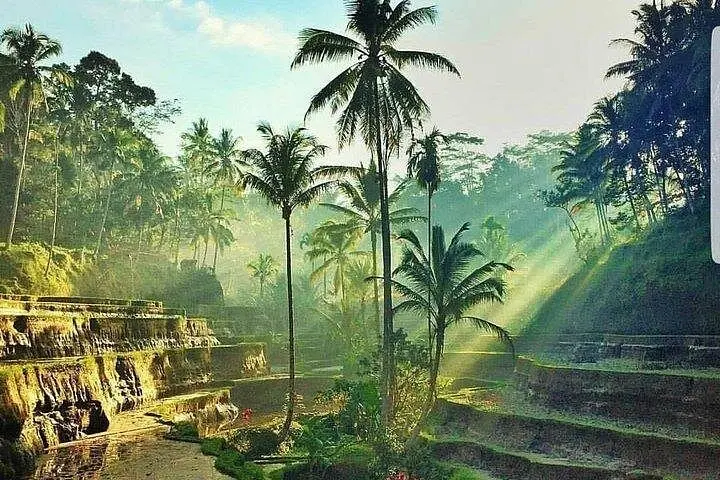
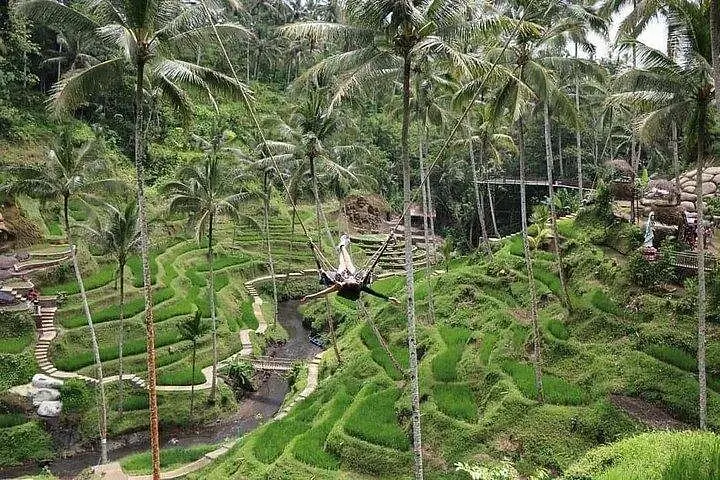
You step out of the air-conditioned van into a humid green that feels alive—the forest breathes, the river below seems to tug at your curiosity, and a row of swings hangs over rice paddies like invitations. This full‑day Ubud loop threads adrenaline and culture: a quick adrenaline rush on the jungle swing, close encounters at the Monkey Forest, the carved stone mouth of Goa Gajah, terraces that angle like stepped mirrors, and the thunder of Tegenungan waterfall.
You step out of the air-conditioned van into a humid green that feels alive—the forest breathes, the river below seems to tug at your curiosity, and a row of swings hangs over rice paddies like invitations. This full‑day Ubud loop threads adrenaline and culture: a quick adrenaline rush on the jungle swing, close encounters at the Monkey Forest, the carved stone mouth of Goa Gajah, terraces that angle like stepped mirrors, and the thunder of Tegenungan waterfall.
Goa Gajah dates to roughly the 9th–11th century and reflects Bali’s layered Hindu-Buddhist past; the rice terraces here are shaped by the centuries-old subak irrigation system that still governs local agriculture. Geologically, central Bali is volcanic clay and basalt; that rich soil feeds the paddies and the dense tropical growth that gives the swings their dramatic backdrop. Coffee plantations nearby showcase Bali’s grown‑by-hand approach—try the kopi luwak for cultural context, not just novelty.
Practical guidance: this is a largely easy-to-moderate day of short walks, photo stops, and brief climbs—expect stairs at waterfalls and uneven terrace edges. Wear sturdy shoes with grip, bring sun and rain protection, and carry local currency for small entrance fees or tips. Plan for early pickup to avoid midday heat and crowds; bring insect repellent and a light towel if you want to cool off at Tegenungan. Respect the macaques—don’t feed or dangle food—and follow guides’ instructions on swing safety. When you leave, you’ll have photos, a sharper sense of Bali’s living landscape, and the quiet energy of a place that keeps moving even when you stop to look.