THE ADVENTURE COLLECTIVE® · Independent discovery and booking for outdoor travel

Taste Bali’s countryside through market visits, hands-on cooking in a village kitchen, and gentle walks among terraced rice paddies. This 4–6 hour experience pairs culinary technique with local culture for travelers seeking an intimate, practical encounter with island life.
Taste Bali’s countryside through market visits, hands-on cooking in a village kitchen, and gentle walks among terraced rice paddies. This 4–6 hour experience pairs culinary technique with local culture for travelers seeking an intimate, practical encounter with island life.
You step from a shuttle into warm, spice-scented air and a narrow lane that opens onto layered rice terraces. The sound of a distant gong and children chasing water buffalo frame your first steps into village life; steam rises from a cooking hearth where turmeric and galangal release a bright, peppery promise.
Verified experiences and guided adventures in the surrounding area.
Operated by Tour East Indonesia · Ubud, Bali
You step from a shuttle into warm, spice-scented air and a narrow lane that opens onto layered rice terraces. The sound of a distant gong and children chasing water buffalo frame your first steps into village life; steam rises from a cooking hearth where turmeric and galangal release a bright, peppery promise.
This full-day experience threads market stalls, a community kitchen, and outdoor demonstrations in Batu Sepih and surrounding countryside near Ubud. Bali’s living landscape—young volcanic soils and engineered subak terraces—shaped both how rice is grown and how communities gather. The cooking portion centers on hands-on techniques: pounding bumbu in a stone mortar, balancing coconut and lime, and assembling offerings that double as culinary practice and cultural expression.
Locals guide recipes tied to ritual calendars; you’ll see small shrines and daily canang offerings that speak to Bali’s Hindu traditions. Geology shows up in dark, loamy soils and the stepped fields that channel irrigation; culturally, craft skills like weaving and woodcarving often sit alongside kitchens and temples.
Practical guidance: plan 4–6 hours, most of it on flat village paths and compact dirt; footwear should be sturdy but lightweight. Bring modest clothing for temple-adjacent areas, cash for small purchases, and a lightweight rain layer during the wet season. Expect an English-speaking guide, pickup from major southern beach areas, and a shared-group format.
This tour is not about speed or peak vistas—it’s tactile, sensory immersion. Come ready to touch, taste, ask, and walk slowly through a living set of traditions where food is both daily labor and community story.
Yes—pickup and drop-off from major hotels in Kuta, Seminyak, Sanur, Jimbaran and Nusa Dua areas are included; confirm your pickup time at booking.
Yes—inform the operator when booking; guides and cooks can often adapt recipes for common allergies and vegetarian preferences.
The tour is rated easy: mostly flat village walking and standing during a 1–2 hour hands-on cooking segment.
A minimum of two people per booking is required; full refund available if canceled at least 24 hours before departure.
Tour East Indonesia operates guided outdoor trips and adventures with an emphasis on safety, stewardship, and memorable experiences.
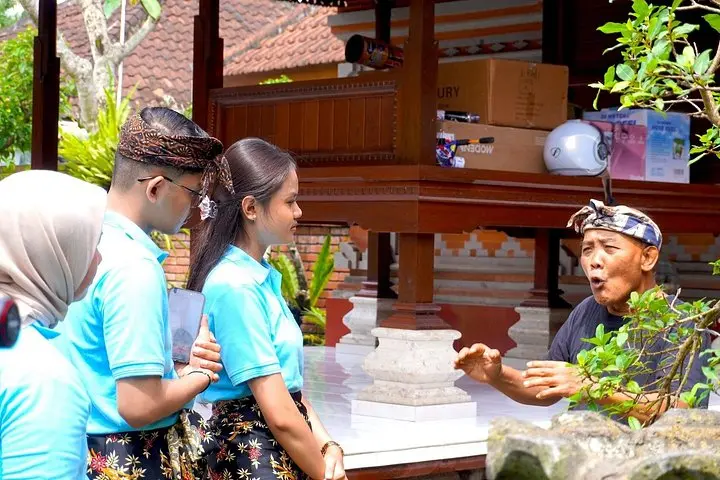
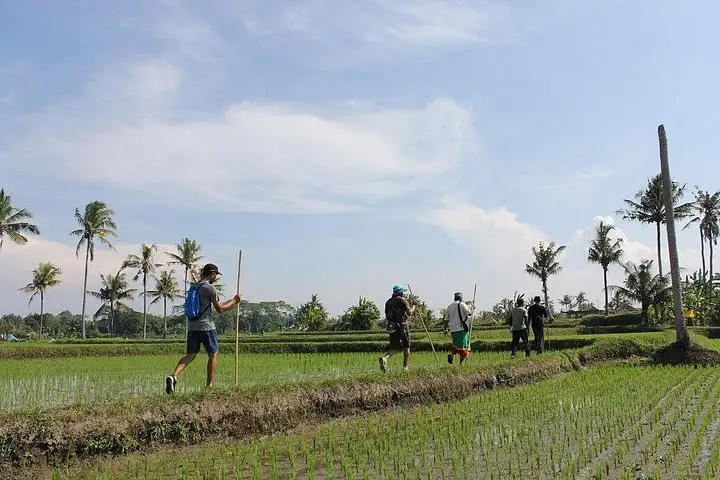
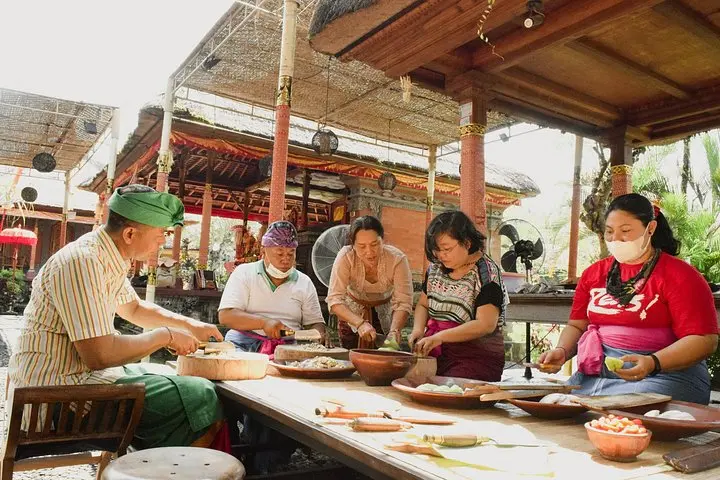
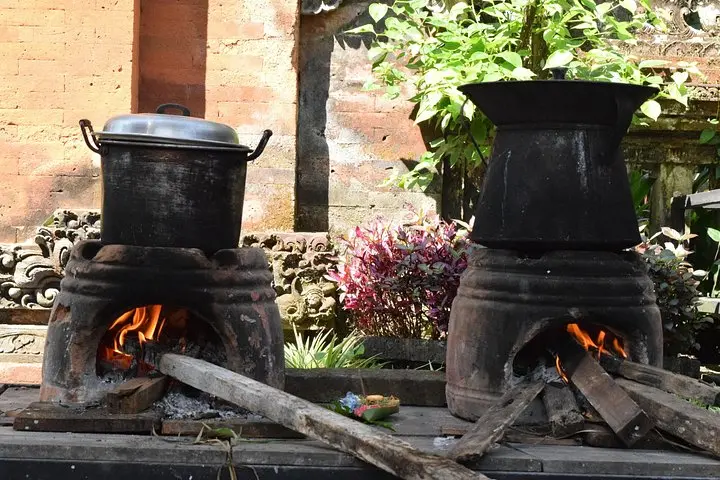
You step from a shuttle into warm, spice-scented air and a narrow lane that opens onto layered rice terraces. The sound of a distant gong and children chasing water buffalo frame your first steps into village life; steam rises from a cooking hearth where turmeric and galangal release a bright, peppery promise.
You step from a shuttle into warm, spice-scented air and a narrow lane that opens onto layered rice terraces. The sound of a distant gong and children chasing water buffalo frame your first steps into village life; steam rises from a cooking hearth where turmeric and galangal release a bright, peppery promise.
This full-day experience threads market stalls, a community kitchen, and outdoor demonstrations in Batu Sepih and surrounding countryside near Ubud. Bali’s living landscape—young volcanic soils and engineered subak terraces—shaped both how rice is grown and how communities gather. The cooking portion centers on hands-on techniques: pounding bumbu in a stone mortar, balancing coconut and lime, and assembling offerings that double as culinary practice and cultural expression.
Locals guide recipes tied to ritual calendars; you’ll see small shrines and daily canang offerings that speak to Bali’s Hindu traditions. Geology shows up in dark, loamy soils and the stepped fields that channel irrigation; culturally, craft skills like weaving and woodcarving often sit alongside kitchens and temples.
Practical guidance: plan 4–6 hours, most of it on flat village paths and compact dirt; footwear should be sturdy but lightweight. Bring modest clothing for temple-adjacent areas, cash for small purchases, and a lightweight rain layer during the wet season. Expect an English-speaking guide, pickup from major southern beach areas, and a shared-group format.
This tour is not about speed or peak vistas—it’s tactile, sensory immersion. Come ready to touch, taste, ask, and walk slowly through a living set of traditions where food is both daily labor and community story.