THE ADVENTURE COLLECTIVE® · Independent discovery and booking for outdoor travel

Catch sunrise over Mount Batur, walk village rice terraces in Lemukih, and cool off beneath Sekumpul Waterfall on a full-day, private tour. Early mornings, village interactions and a refreshing swim make it a compact introduction to Bali’s highland landscapes.
Catch sunrise over Mount Batur, walk village rice terraces in Lemukih, and cool off beneath Sekumpul Waterfall on a full-day, private tour. Early mornings, village interactions and a refreshing swim make it a compact introduction to Bali’s highland landscapes.
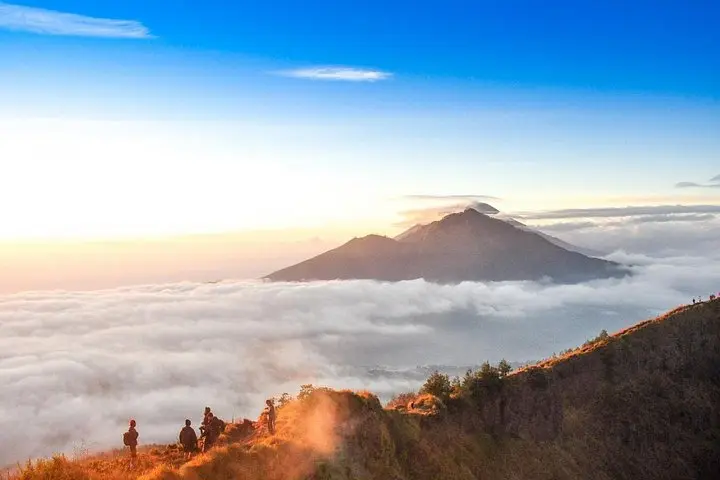
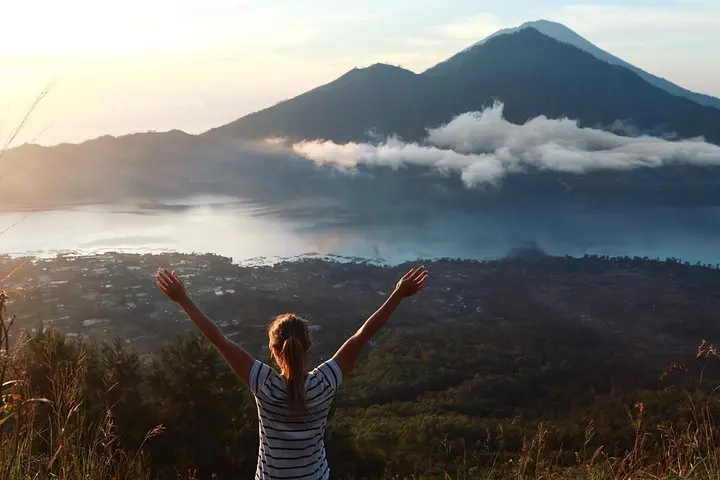
Before first light you roll out of your hotel and into the cool Balinese air, the van threading a ribbon of road toward Kintamani. By sunrise, Mount Batur’s caldera silhouettes against a pale sky while coffee and breakfast are set before you—steam rising, the volcano watching like a careful host.
Verified experiences and guided adventures in the surrounding area.
Operated by Bali Sightseeing · Kintamani, Bali
Before first light you roll out of your hotel and into the cool Balinese air, the van threading a ribbon of road toward Kintamani. By sunrise, Mount Batur’s caldera silhouettes against a pale sky while coffee and breakfast are set before you—steam rising, the volcano watching like a careful host.
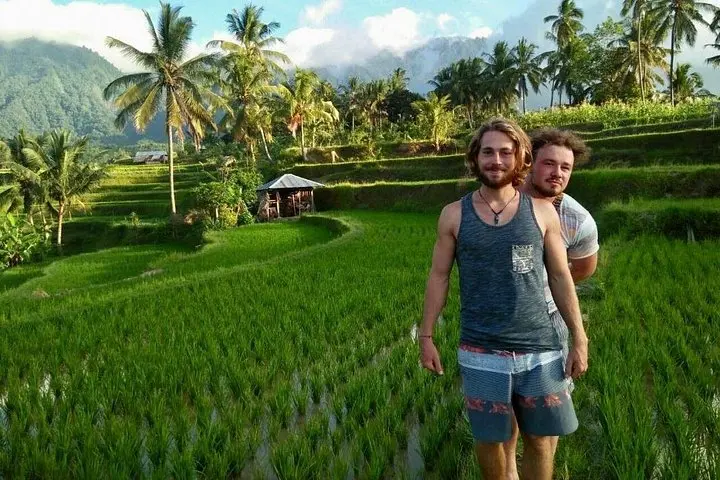
The itinerary stitches together distinct landscapes: volcanic highland at Batur, patchwork subak rice terraces at Lemukih, and the thunder of Sekumpul Waterfall. The subak system—an irrigation tradition managed by local cooperatives—still shapes fields and social life here; water buffalo and farmers remain active partners in cultivation. Mount Batur itself is an active caldera whose eruptions sculpted the black soils that feed these terraces.
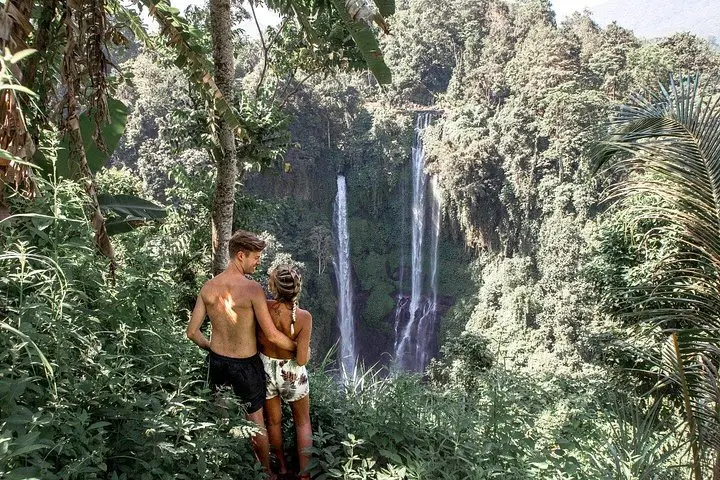
On the trail through Lemukih, narrow paths cut between flood-irrigated paddies; expect muddy steps and wooden bridges. Sekumpul arrives with a sudden drop in temperature and a spray of mist—there are steep steps and slippery rocks to reach the lagoon, so plan for cautious footing.
Practical edge: this is an early, full-day outing (roughly 10 hours with hotel pickup and drop-off). Bring a small daypack with swimwear, sturdy shoes with grip, rain protection in wet months and at least 1.5 liters of water. Cash is useful for small purchases or tips in villages. Respect local customs—cover shoulders at temple stops and ask before photographing people.
By late afternoon you return with clean water on your skin, rice-streaked boots and a clear sense of how fire, water and human labor shape Bali’s landscape.
The tour runs about 10 hours; it typically includes hotel pickup/drop-off (selected areas), breakfast facing Mount Batur, lunch, snacks, water and an English-speaking guide.
Children can swim but must be supervised; the approach involves steep steps and slippery rocks, so assess mobility and follow the guide’s directions.
No—walks are short and suitable for most fitness levels, but expect uneven ground and some stair descent to reach the waterfall.
Layered clothing works best—pre-dawn temperatures are cool, then warm up quickly; bring a hat, light jacket and sunscreen for later.
Bali Sightseeing operates guided outdoor trips and adventures with an emphasis on safety, stewardship, and memorable experiences.
Before first light you roll out of your hotel and into the cool Balinese air, the van threading a ribbon of road toward Kintamani. By sunrise, Mount Batur’s caldera silhouettes against a pale sky while coffee and breakfast are set before you—steam rising, the volcano watching like a careful host.
Before first light you roll out of your hotel and into the cool Balinese air, the van threading a ribbon of road toward Kintamani. By sunrise, Mount Batur’s caldera silhouettes against a pale sky while coffee and breakfast are set before you—steam rising, the volcano watching like a careful host.
The itinerary stitches together distinct landscapes: volcanic highland at Batur, patchwork subak rice terraces at Lemukih, and the thunder of Sekumpul Waterfall. The subak system—an irrigation tradition managed by local cooperatives—still shapes fields and social life here; water buffalo and farmers remain active partners in cultivation. Mount Batur itself is an active caldera whose eruptions sculpted the black soils that feed these terraces.
On the trail through Lemukih, narrow paths cut between flood-irrigated paddies; expect muddy steps and wooden bridges. Sekumpul arrives with a sudden drop in temperature and a spray of mist—there are steep steps and slippery rocks to reach the lagoon, so plan for cautious footing.
Practical edge: this is an early, full-day outing (roughly 10 hours with hotel pickup and drop-off). Bring a small daypack with swimwear, sturdy shoes with grip, rain protection in wet months and at least 1.5 liters of water. Cash is useful for small purchases or tips in villages. Respect local customs—cover shoulders at temple stops and ask before photographing people.
By late afternoon you return with clean water on your skin, rice-streaked boots and a clear sense of how fire, water and human labor shape Bali’s landscape.