THE ADVENTURE COLLECTIVE® · Independent discovery and booking for outdoor travel

Climb Mount Batur before dawn to catch a volcanic sunrise over Lake Batur, then soak in nearby natural hot springs. This half-day trek pairs a 1.5–2 hour ascent with panoramic crater views and geothermal relaxation.
Climb Mount Batur before dawn to catch a volcanic sunrise over Lake Batur, then soak in nearby natural hot springs. This half-day trek pairs a 1.5–2 hour ascent with panoramic crater views and geothermal relaxation.
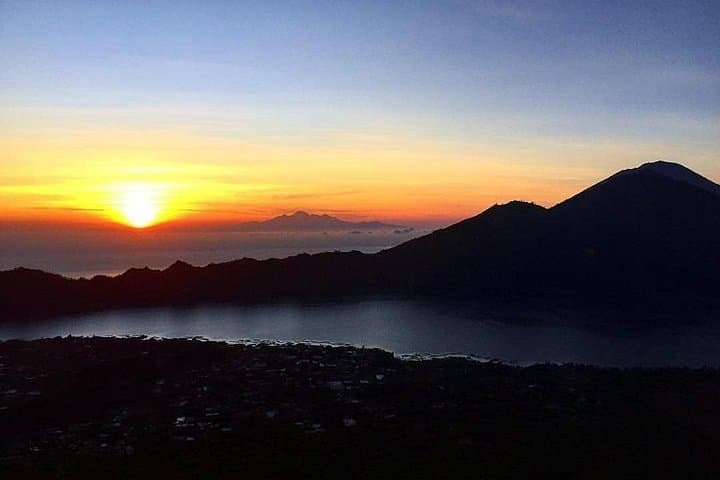
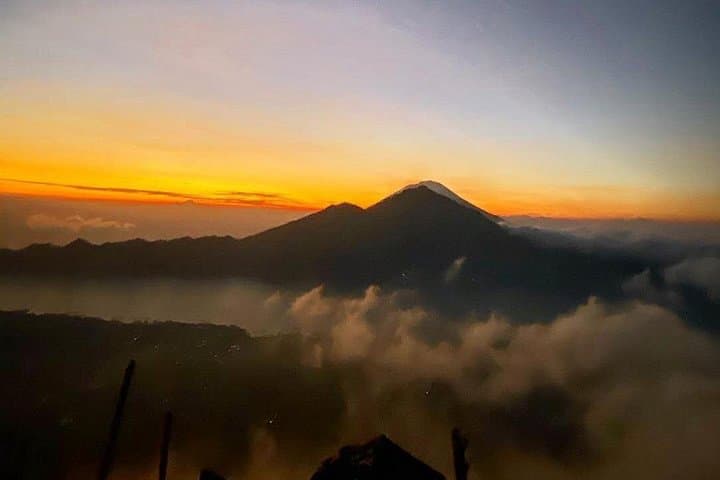
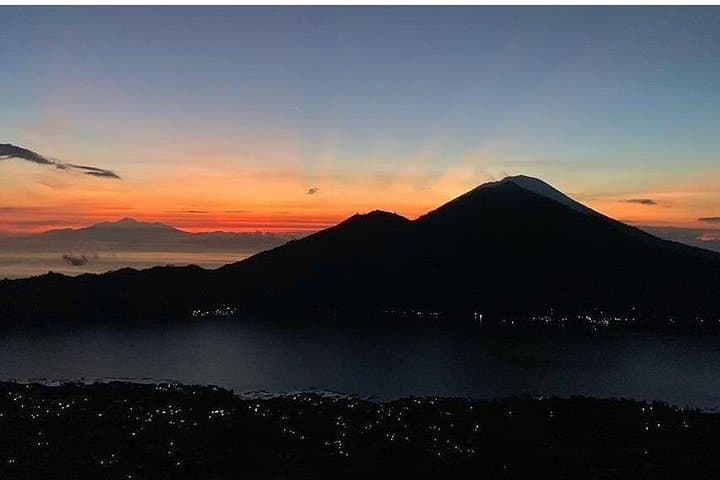
Before dawn you leave the lowland rice terraces and drive into the crater rim country. Cool mountain air and the hush of village lights frame a steady headlamp-lit column of hikers as they climb toward Batur’s ridge; the horizon lightens from ink to blue and then bleeds gold across Lake Batur and Mount Agung.
Verified experiences and guided adventures in the surrounding area.
Operated by CV MyBali Explore · Kintamani, Bali
Before dawn you leave the lowland rice terraces and drive into the crater rim country. Cool mountain air and the hush of village lights frame a steady headlamp-lit column of hikers as they climb toward Batur’s ridge; the horizon lightens from ink to blue and then bleeds gold across Lake Batur and Mount Agung.
Gunung Batur sits in a young volcanic caldera carved over millennia; the lake in its bowl and the active cone still reshaping the landscape. The route used by guiding teams follows volcanic scree and packed dirt with occasional stone steps—simple geology that feels immediate underfoot. Local guides often weave Balinese stories about offerings and temple sites into the ascent; nearby villages in Kintamani maintain rice-field agriculture that frames the climb.
Expect a 1.5–2 hour ascent at a steady pace, stopping for panoramic sunrise views and photos. The descent opens into warm air and a short transfer to natural thermal pools fed by geothermal vents, where silica-rich waters ease tired muscles. The contrast—pre-dawn climb, bright volcanic panorama, then a hot soak—defines the day.
Practical notes: start early, layer for rapid temperature change, and wear shoes with grip for loose volcanic sand. Bring water and a small snack; guides typically provide a simple breakfast and a torch. Pay attention to trail etiquette around fragile geothermal areas and follow your guide near hot springs. Timing your return to Ubud or Kintamani depends on road traffic; most itineraries fit into a half-day schedule and are accessible for hikers in good general health.
The ascent typically takes 1.5–2 hours depending on fitness and group pace; total tour time including transfers and hot springs is about 3–4 hours.
Yes, if you are in reasonable health and able to walk uphill for up to two hours; guides provide pacing and support with trekking poles if needed.
Yes—most operators include access to natural hot-spring pools; pools are typically safe but follow posted temperatures and guide instructions.
Many tours offer pickup from Ubud and surrounding areas—confirm your pickup option at booking and provide your hotel details.
CV MyBali Explore operates guided outdoor trips and adventures with an emphasis on safety, stewardship, and memorable experiences.

Before dawn you leave the lowland rice terraces and drive into the crater rim country. Cool mountain air and the hush of village lights frame a steady headlamp-lit column of hikers as they climb toward Batur’s ridge; the horizon lightens from ink to blue and then bleeds gold across Lake Batur and Mount Agung.
Before dawn you leave the lowland rice terraces and drive into the crater rim country. Cool mountain air and the hush of village lights frame a steady headlamp-lit column of hikers as they climb toward Batur’s ridge; the horizon lightens from ink to blue and then bleeds gold across Lake Batur and Mount Agung.
Gunung Batur sits in a young volcanic caldera carved over millennia; the lake in its bowl and the active cone still reshaping the landscape. The route used by guiding teams follows volcanic scree and packed dirt with occasional stone steps—simple geology that feels immediate underfoot. Local guides often weave Balinese stories about offerings and temple sites into the ascent; nearby villages in Kintamani maintain rice-field agriculture that frames the climb.
Expect a 1.5–2 hour ascent at a steady pace, stopping for panoramic sunrise views and photos. The descent opens into warm air and a short transfer to natural thermal pools fed by geothermal vents, where silica-rich waters ease tired muscles. The contrast—pre-dawn climb, bright volcanic panorama, then a hot soak—defines the day.
Practical notes: start early, layer for rapid temperature change, and wear shoes with grip for loose volcanic sand. Bring water and a small snack; guides typically provide a simple breakfast and a torch. Pay attention to trail etiquette around fragile geothermal areas and follow your guide near hot springs. Timing your return to Ubud or Kintamani depends on road traffic; most itineraries fit into a half-day schedule and are accessible for hikers in good general health.