THE ADVENTURE COLLECTIVE® · Independent discovery and booking for outdoor travel

Watch sunset spill over the Indian Ocean from Uluwatu’s cliff edge, then experience the hypnotic kecak fire dance and a beachfront seafood dinner at Jimbaran. This short evening loop pairs dramatic coastal geology with Balinese ritual and local flavors.
Watch sunset spill over the Indian Ocean from Uluwatu’s cliff edge, then experience the hypnotic kecak fire dance and a beachfront seafood dinner at Jimbaran. This short evening loop pairs dramatic coastal geology with Balinese ritual and local flavors.
You arrive as the light thins and the cliff exhales — wind pushing sea spray against the rock where Pura Luhur Uluwatu clings to the island’s southwest rim. The temple gate frames a melting horizon; fishermen lanterns speckle the water and macaques move like old guardians through the courtyards.
Verified experiences and guided adventures in the surrounding area.
Operated by BaliDriverGede · Kuta, Bali
You arrive as the light thins and the cliff exhales — wind pushing sea spray against the rock where Pura Luhur Uluwatu clings to the island’s southwest rim. The temple gate frames a melting horizon; fishermen lanterns speckle the water and macaques move like old guardians through the courtyards.
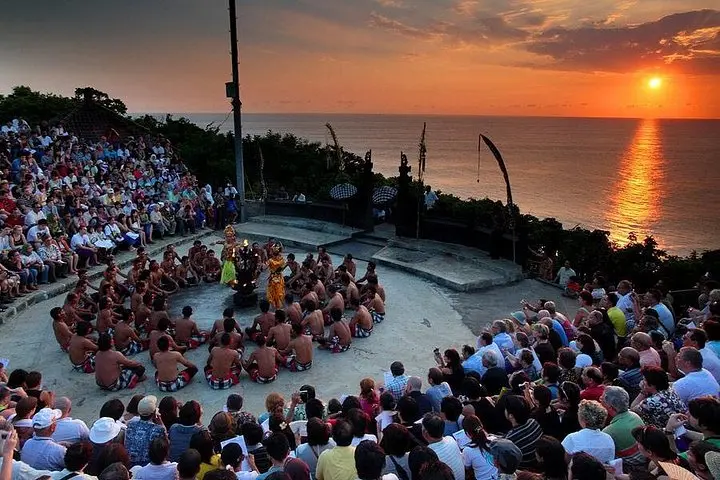
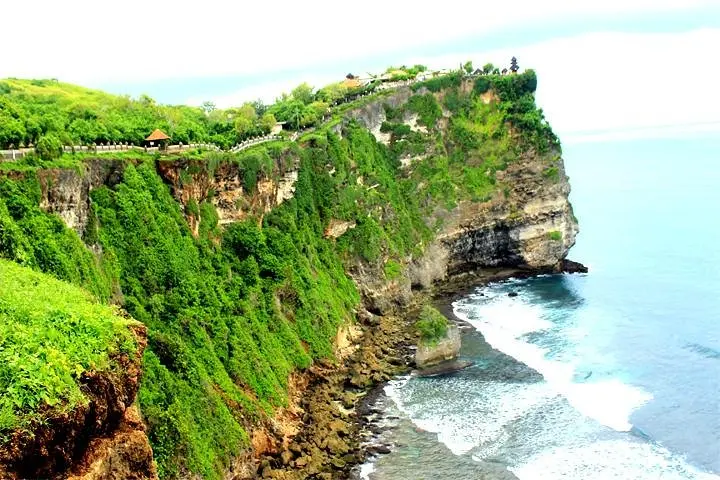
Perched on limestone carved by waves, Uluwatu is one of Bali’s directional sea temples built centuries ago to protect the island. The cliffs are reef-rock benches uplifted by tectonic forces along the Indonesian archipelago; below, currents still shape the shoreline and dare you to watch from the safest viewpoint. After sunset, the kecak dance takes over — a vocal, rhythmic retelling of the Ramayana where dozens of men chant an insistent pulse while dancers enact gods and demons around controlled fire.
Culture and landscape fuse here: the temple’s stone reliefs, the macaques’ opportunism, and the coastline’s long swells. Then the evening moves to Jimbaran Bay, where rows of seafood cafés set candles on sand and charcoal smoke curls over the water.
Practical guidance: arrive at Uluwatu at least 45 minutes before sunset for a good viewing position and to avoid the last-minute surge. Wear a sarong or bring a shawl — modest dress is required at temple entrances. Keep sunglasses and snacks secure from monkeys; they’re skilled at grabbing loose items. Bring a lightweight rain layer in the wet months, and plan for uneven cliff paths: comfortable, grippy shoes will make the short walks around viewpoints safer. Cash is handy for market purchases and beachside dinners.
Temple admission is typically paid on-site; the kecak performance usually requires a separate ticket — check your tour details to confirm if admission is included.
The tour involves short walks and steps; some areas have uneven surfaces but transportation is private and wheelchair-accessible options may be available—confirm when booking.
Seafood at Jimbaran is usually an optional add-on; tours may offer an optional dinner purchase, so plan extra budget if you want the beachfront meal.
Keep bags zipped, sunglasses and hats secured, and avoid carrying food openly; if a monkey approaches, do not feed it and slowly move away without sudden movements.
BaliDriverGede operates guided outdoor trips and adventures with an emphasis on safety, stewardship, and memorable experiences.

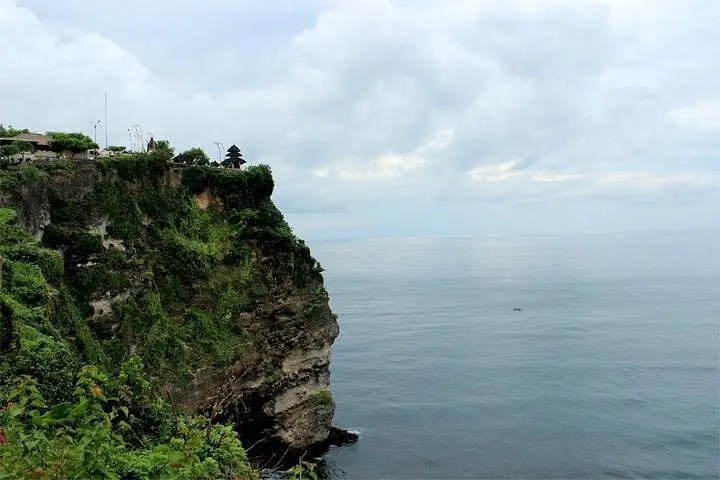
You arrive as the light thins and the cliff exhales — wind pushing sea spray against the rock where Pura Luhur Uluwatu clings to the island’s southwest rim. The temple gate frames a melting horizon; fishermen lanterns speckle the water and macaques move like old guardians through the courtyards.
You arrive as the light thins and the cliff exhales — wind pushing sea spray against the rock where Pura Luhur Uluwatu clings to the island’s southwest rim. The temple gate frames a melting horizon; fishermen lanterns speckle the water and macaques move like old guardians through the courtyards.
Perched on limestone carved by waves, Uluwatu is one of Bali’s directional sea temples built centuries ago to protect the island. The cliffs are reef-rock benches uplifted by tectonic forces along the Indonesian archipelago; below, currents still shape the shoreline and dare you to watch from the safest viewpoint. After sunset, the kecak dance takes over — a vocal, rhythmic retelling of the Ramayana where dozens of men chant an insistent pulse while dancers enact gods and demons around controlled fire.
Culture and landscape fuse here: the temple’s stone reliefs, the macaques’ opportunism, and the coastline’s long swells. Then the evening moves to Jimbaran Bay, where rows of seafood cafés set candles on sand and charcoal smoke curls over the water.
Practical guidance: arrive at Uluwatu at least 45 minutes before sunset for a good viewing position and to avoid the last-minute surge. Wear a sarong or bring a shawl — modest dress is required at temple entrances. Keep sunglasses and snacks secure from monkeys; they’re skilled at grabbing loose items. Bring a lightweight rain layer in the wet months, and plan for uneven cliff paths: comfortable, grippy shoes will make the short walks around viewpoints safer. Cash is handy for market purchases and beachside dinners.