
Bali Temple Trail: Tanah Lot, Batukaru & Jatiluwih Rice Terraces Private Tour
Combine ocean temples, a bustling Balinese market, forested mountain shrines and UNESCO-listed rice terraces on a private full-day tour. Expect photographic coastlines, shaded temple courtyards and wide, walkable rice-field panoramas with practical stops for lunch and local treats.
An Adventure In Ubud.
Combine ocean temples, a bustling Balinese market, forested mountain shrines and UNESCO-listed rice terraces on a private full-day tour. Expect photographic coastlines, shaded temple courtyards and wide, walkable rice-field panoramas with practical stops for lunch and local treats.
Read the full experience
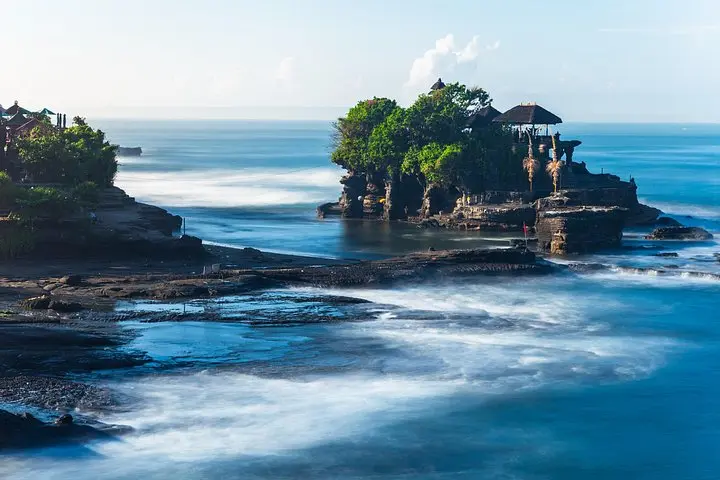
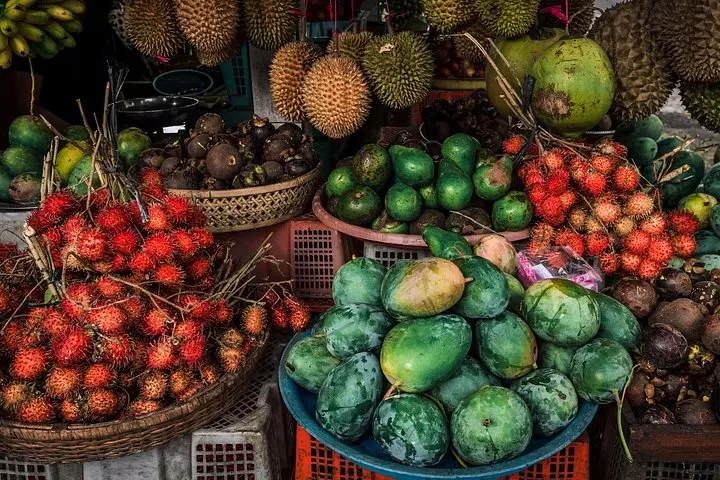
A salt-thick breeze hits the face first — Tanah Lot’s basalt outcrop stands like an ancient watchman against the Indian Ocean, waves chiseling its base while temple bells punctuate the air. From that cinematic shoreline the day moves inland, through market stalls that hum with bargaining and the smell of turmeric and fried bananas, into a green world where moss-soft steps lead to Batukaru’s shaded courtyards.
A salt-thick breeze hits the face first — Tanah Lot’s basalt outcrop stands like an ancient watchman against the Indian Ocean, waves chiseling its base while temple bells punctuate the air. From that cinematic shoreline the day moves inland, through market stalls that hum with bargaining and the smell of turmeric and fried bananas, into a green world where moss-soft steps lead to Batukaru’s shaded courtyards.
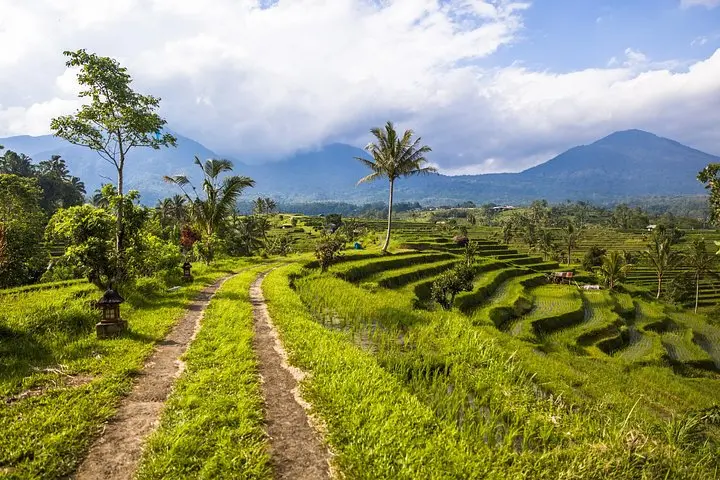
This route stitches together Balinese faith and agricultural engineering. Tanah Lot is one of the island’s sea temples, rooted in coastal rituals; Batukaru sits on the slopes of Mount Batukaru and channels mountain spirituality. Jatiluwih’s terraces showcase the Subak cooperative irrigation system — a living, centuries-old method that earned UNESCO recognition. Geology matters here: volcanic soils, steep contours and careful bunding sculpt the rice terraces and control runoff.
Local culture is tactile: priests maintain shrines, farmers tend paddies, and market vendors offer fruits and woven cloth. Travelers often find quieter viewpoints by following village paths around the terraces or pausing at a roadside warung to watch farmers move through the paddies.
Practical guidance: expect a full 5–8 hour day with multiple short walks on uneven farm tracks and temple stone. Dress respectfully for temples (shoulders and knees covered), bring a light rain layer during the wet months, sturdy shoes for muddy terraces, and small change for market purchases. Timing matters — early morning or late afternoon gives softer light for photos and cooler walking conditions.
Frequently asked questions
The tour runs approximately 5–8 hours, depending on traffic and how long you spend at each stop.
Admission to some sites like Tanah Lot and Batukaru is typically included; check your booking for specifics.
Yes—most operators can arrange vegetarian or allergy-aware lunches if notified at booking.
Yes; the itinerary is rated easy with short walks, but mobility limitations may restrict access to some temple steps and terrace edges.
About This Experience
SunSunBali operates guided outdoor trips and adventures with an emphasis on safety, stewardship, and memorable experiences.
Adventure tips
Recommended gear
- Light rain jacket: Rain can arrive suddenly during the wet season—pack a compact, breathable shell.
- Sturdy walking shoes: Good tread helps on muddy terraces and temple steps.
- Sarong or modest cover: Required or appreciated at many Balinese temples for respectful entry.
- Reusable water bottle & sunscreen: Hydration and sun protection are important during open-field walks and coastal stops.
Photos of the experience

Related adventures & guides
Read the full experience
A salt-thick breeze hits the face first — Tanah Lot’s basalt outcrop stands like an ancient watchman against the Indian Ocean, waves chiseling its base while temple bells punctuate the air. From that cinematic shoreline the day moves inland, through market stalls that hum with bargaining and the smell of turmeric and fried bananas, into a green world where moss-soft steps lead to Batukaru’s shaded courtyards.
A salt-thick breeze hits the face first — Tanah Lot’s basalt outcrop stands like an ancient watchman against the Indian Ocean, waves chiseling its base while temple bells punctuate the air. From that cinematic shoreline the day moves inland, through market stalls that hum with bargaining and the smell of turmeric and fried bananas, into a green world where moss-soft steps lead to Batukaru’s shaded courtyards.
This route stitches together Balinese faith and agricultural engineering. Tanah Lot is one of the island’s sea temples, rooted in coastal rituals; Batukaru sits on the slopes of Mount Batukaru and channels mountain spirituality. Jatiluwih’s terraces showcase the Subak cooperative irrigation system — a living, centuries-old method that earned UNESCO recognition. Geology matters here: volcanic soils, steep contours and careful bunding sculpt the rice terraces and control runoff.
Local culture is tactile: priests maintain shrines, farmers tend paddies, and market vendors offer fruits and woven cloth. Travelers often find quieter viewpoints by following village paths around the terraces or pausing at a roadside warung to watch farmers move through the paddies.
Practical guidance: expect a full 5–8 hour day with multiple short walks on uneven farm tracks and temple stone. Dress respectfully for temples (shoulders and knees covered), bring a light rain layer during the wet months, sturdy shoes for muddy terraces, and small change for market purchases. Timing matters — early morning or late afternoon gives softer light for photos and cooler walking conditions.
Make a day of it nearby.
Verified experiences and guided adventures in the surrounding area.