THE ADVENTURE COLLECTIVE® · Independent discovery and booking for outdoor travel

Walk through Kemenuh’s rice terraces and farmers’ paths with a local guide, ending at a refreshing waterfall and a farm-fresh Balinese lunch. This 4–5 hour trek mixes cultural insight with easy-to-moderate hiking across packed-earth trails.
Walk through Kemenuh’s rice terraces and farmers’ paths with a local guide, ending at a refreshing waterfall and a farm-fresh Balinese lunch. This 4–5 hour trek mixes cultural insight with easy-to-moderate hiking across packed-earth trails.
Morning light slices between palm trunks as the group leaves Kemenuh and steps onto narrow footpaths that trace the rice terraces. The air smells of damp earth and young shoots; water channels hum softly, daring you to follow them upstream. Along the way, artisans' small workshops appear like living waypoints — woodcarvers and weavers adding a human rhythm to the landscape.
Verified experiences and guided adventures in the surrounding area.
Operated by Tour East Indonesia · Ubud, Bali
Morning light slices between palm trunks as the group leaves Kemenuh and steps onto narrow footpaths that trace the rice terraces. The air smells of damp earth and young shoots; water channels hum softly, daring you to follow them upstream. Along the way, artisans' small workshops appear like living waypoints — woodcarvers and weavers adding a human rhythm to the landscape.
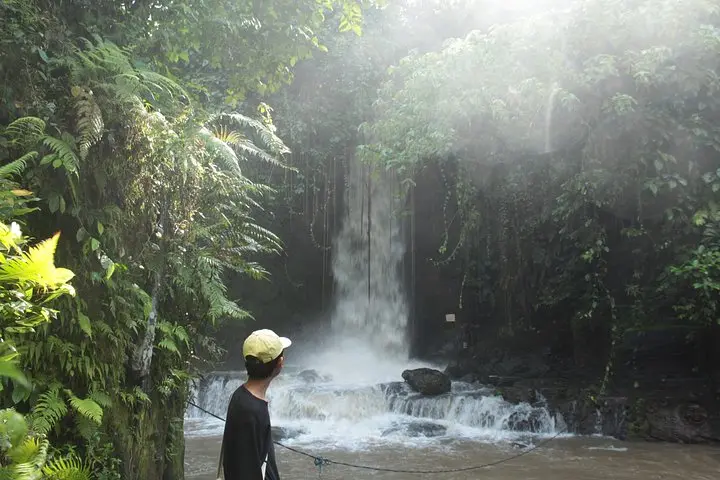
The walk threads through Bali’s Subak system, the island’s centuries-old cooperative irrigation practice that shapes terraces and manages water from volcanic highlands. Volcanic soils from nearby ranges have made these paddies intensely productive; terraces perform both agricultural and cultural roles, with small shrines and offerings that reflect local Hindu practice. A short side trail leads to a waterfall where tropical runoff gathers and drops — the spray cools the skin and resets the senses.
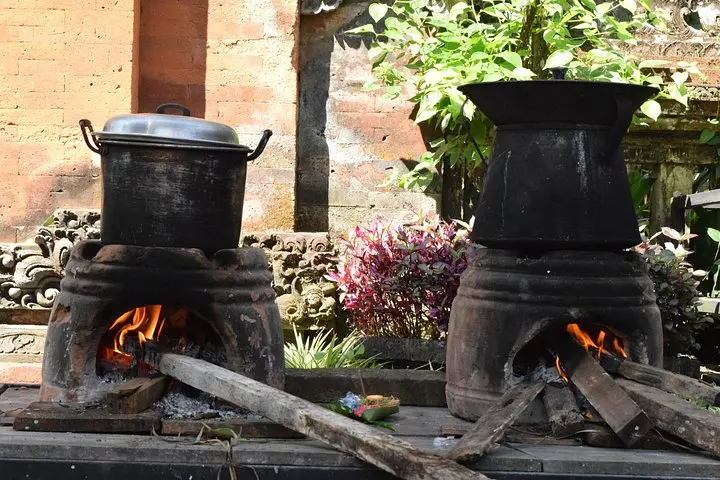
Guides explain planting seasons, pest management without industrial inputs, and local family life; the tour concludes with a lunch prepared from on-farm produce, a practical coda to the walk. Expect uneven packed-earth paths, occasional muddy sections, and narrow steps carved into slopes.
Practical guidance: start early to avoid midday heat, wear closed shoes with grip, bring at least 1–1.5 liters of water and sun protection, and carry a light rain layer in the wet months. Respect private fields and local customs — ask before photographing people or private compounds. This is a moderate, sensory-rich trek that balances cultural insight with accessible outdoor walking.
The tour runs about 4–5 hours and is rated moderate—expect uneven earth trails, some short climbs, and sections that can be muddy after rain.
Yes — hotel pickup/drop-off from major south Bali areas and a traditional Balinese lunch made with local ingredients are included.
Children are welcome but must be accompanied by an adult; the paths can be narrow and require supervision.
Most stops and lunch are included; bring some local currency for extras, souvenirs, or voluntary donations at small temples.
Tour East Indonesia operates guided outdoor trips and adventures with an emphasis on safety, stewardship, and memorable experiences.
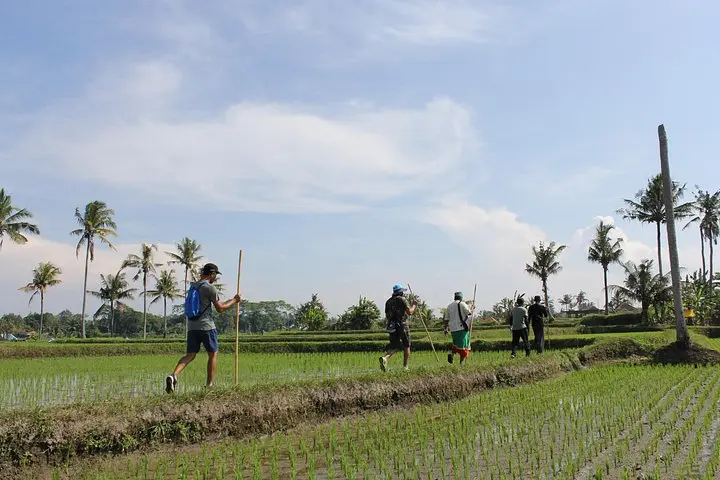
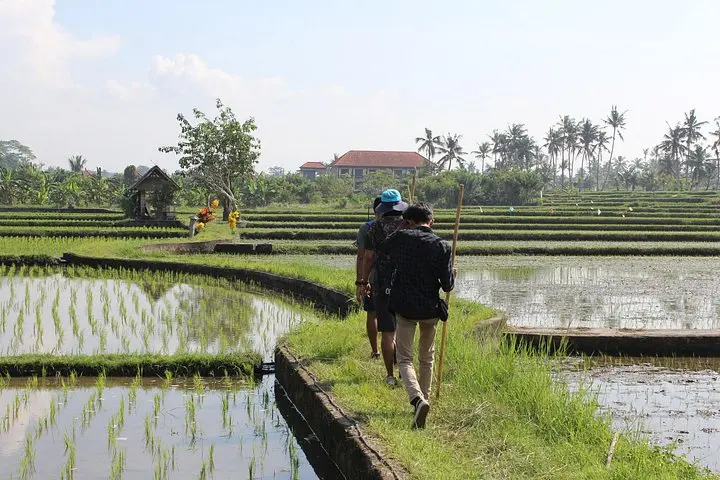
Morning light slices between palm trunks as the group leaves Kemenuh and steps onto narrow footpaths that trace the rice terraces. The air smells of damp earth and young shoots; water channels hum softly, daring you to follow them upstream. Along the way, artisans' small workshops appear like living waypoints — woodcarvers and weavers adding a human rhythm to the landscape.
Morning light slices between palm trunks as the group leaves Kemenuh and steps onto narrow footpaths that trace the rice terraces. The air smells of damp earth and young shoots; water channels hum softly, daring you to follow them upstream. Along the way, artisans' small workshops appear like living waypoints — woodcarvers and weavers adding a human rhythm to the landscape.
The walk threads through Bali’s Subak system, the island’s centuries-old cooperative irrigation practice that shapes terraces and manages water from volcanic highlands. Volcanic soils from nearby ranges have made these paddies intensely productive; terraces perform both agricultural and cultural roles, with small shrines and offerings that reflect local Hindu practice. A short side trail leads to a waterfall where tropical runoff gathers and drops — the spray cools the skin and resets the senses.
Guides explain planting seasons, pest management without industrial inputs, and local family life; the tour concludes with a lunch prepared from on-farm produce, a practical coda to the walk. Expect uneven packed-earth paths, occasional muddy sections, and narrow steps carved into slopes.
Practical guidance: start early to avoid midday heat, wear closed shoes with grip, bring at least 1–1.5 liters of water and sun protection, and carry a light rain layer in the wet months. Respect private fields and local customs — ask before photographing people or private compounds. This is a moderate, sensory-rich trek that balances cultural insight with accessible outdoor walking.