THE ADVENTURE COLLECTIVE® · Independent discovery and booking for outdoor travel

Spend three immersive hours in Ubud making canang sari offerings, learning Balinese dance basics, and playing rindik bamboo music with local instructors. This hands-on workshop blends cultural context with practical instruction—no experience required.
Spend three immersive hours in Ubud making canang sari offerings, learning Balinese dance basics, and playing rindik bamboo music with local instructors. This hands-on workshop blends cultural context with practical instruction—no experience required.
You step through a low wooden gate and the humid Balinese air seems to breathe with the day—frangipani scent lifting from a courtyard where bamboo chimes answer distant temple bells.
Verified experiences and guided adventures in the surrounding area.
Operated by Bali Made Escape · Ubud, Bali
You step through a low wooden gate and the humid Balinese air seems to breathe with the day—frangipani scent lifting from a courtyard where bamboo chimes answer distant temple bells.
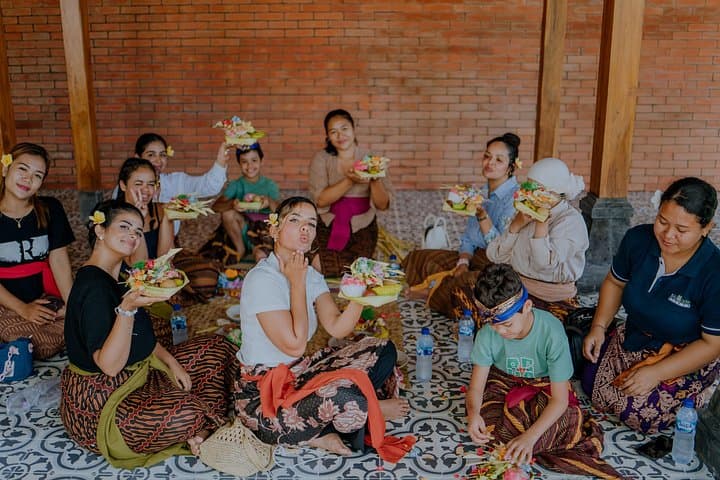
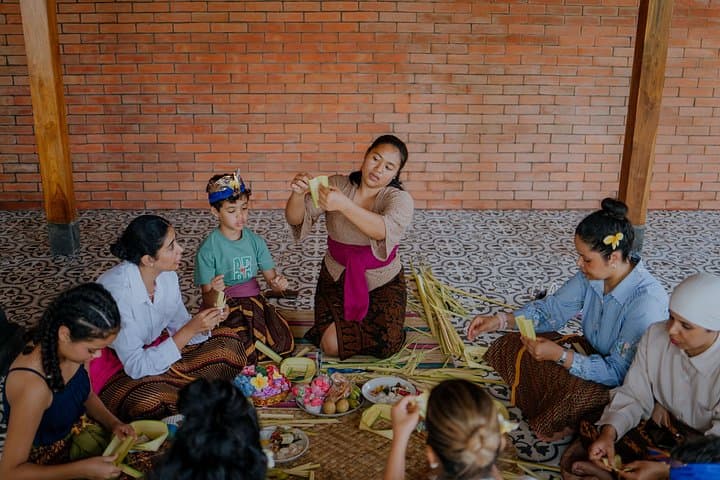
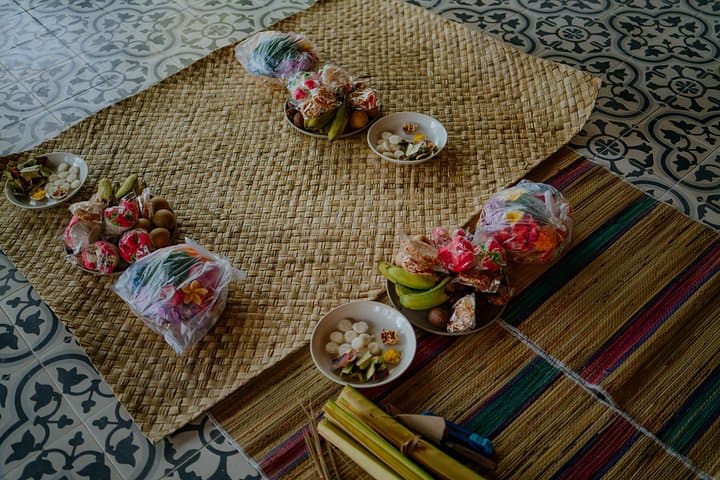
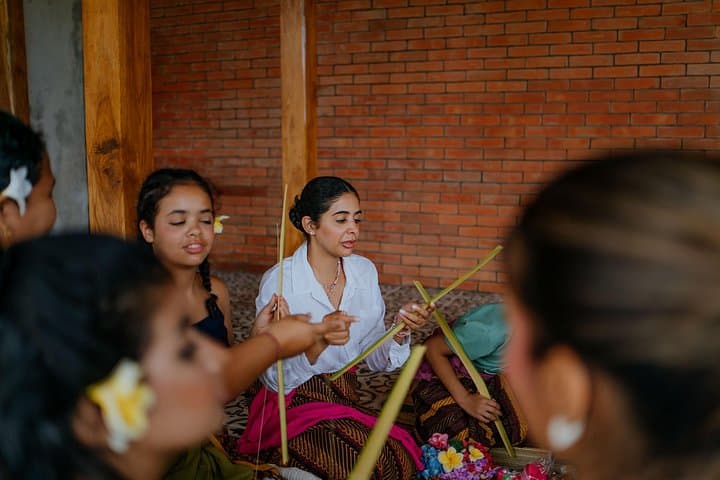
This three-hour workshop in Ubud moves at a measured pace: making canang sari offerings, learning the measured gestures of Balinese dance, and striking the tones of rindik (bamboo ensemble) under local guidance. The craft session explains the symbolic layers of each offering—flowers, rice, leaf—while the dance section breaks down hand positions, eye focus, and posture used in temple performances. Rindik surfaces the island’s musical architecture: pentatonic patterns that repeat and shift, inviting you to listen as well as play.
Ubud’s cultural roots run through royal courts and village temples; dance and gamelan developed as both devotional practice and courtly display. Geologically, Bali’s volcanic soils feed the rice terraces and frangipani trees that frame the workshop courtyards. Local insights: instructors are often from families with multi-generational training, and morning sessions align with quieter temple routines.
Practical guidance: wear lightweight, modest clothing and closed-toe shoes for movement; a sarong may be provided or required for some spaces. Bring a refillable water bottle and arrive 10–15 minutes early to orient and stretch. The workshop suits beginners—no prior dance or music experience required—but respect for ceremonial elements matters: follow instructor cues around offerings and photos. Expect hands-on practice, small-group corrections, and a brief tea service to close the experience.
No—this workshop is designed for beginners; instructors introduce basic steps and rhythms and work at a steady, patient pace.
Many operators provide sarongs if required for specific spaces, but bringing a lightweight sarong or wearing modest clothing is recommended.
Yes—families are usually welcome, but check age recommendations with the operator; some dance portions may require focused attention.
Photography is often allowed, but avoid disturbing live offerings and follow instructor cues, especially in temple-adjacent areas.
Bali Made Escape operates guided outdoor trips and adventures with an emphasis on safety, stewardship, and memorable experiences.
You step through a low wooden gate and the humid Balinese air seems to breathe with the day—frangipani scent lifting from a courtyard where bamboo chimes answer distant temple bells.
You step through a low wooden gate and the humid Balinese air seems to breathe with the day—frangipani scent lifting from a courtyard where bamboo chimes answer distant temple bells.
This three-hour workshop in Ubud moves at a measured pace: making canang sari offerings, learning the measured gestures of Balinese dance, and striking the tones of rindik (bamboo ensemble) under local guidance. The craft session explains the symbolic layers of each offering—flowers, rice, leaf—while the dance section breaks down hand positions, eye focus, and posture used in temple performances. Rindik surfaces the island’s musical architecture: pentatonic patterns that repeat and shift, inviting you to listen as well as play.
Ubud’s cultural roots run through royal courts and village temples; dance and gamelan developed as both devotional practice and courtly display. Geologically, Bali’s volcanic soils feed the rice terraces and frangipani trees that frame the workshop courtyards. Local insights: instructors are often from families with multi-generational training, and morning sessions align with quieter temple routines.
Practical guidance: wear lightweight, modest clothing and closed-toe shoes for movement; a sarong may be provided or required for some spaces. Bring a refillable water bottle and arrive 10–15 minutes early to orient and stretch. The workshop suits beginners—no prior dance or music experience required—but respect for ceremonial elements matters: follow instructor cues around offerings and photos. Expect hands-on practice, small-group corrections, and a brief tea service to close the experience.