THE ADVENTURE COLLECTIVE® · Independent discovery and booking for outdoor travel

Experience a day of Balinese ritual, coffee tasting and a dramatic waterfall. Visit a master healer, purify at Tirta Empul’s holy springs, sample local coffee, and finish at Tegenungan Waterfall.
Experience a day of Balinese ritual, coffee tasting and a dramatic waterfall. Visit a master healer, purify at Tirta Empul’s holy springs, sample local coffee, and finish at Tegenungan Waterfall.
A narrow lane opens onto a courtyard of stone basins and moss-slick steps as the guide leads the small group toward the chant of priests and the steady spill of spring water. The morning light skims carved statues at Pura Tirta Empul; cold water threads through a succession of spouts that invite ritual cleansing. Later, the route climbs toward a coffee plantation alive with steaming brews and the aroma of roasted beans, and the day ends with the thunder of Tegenungan, where spray dares you closer to the lip of the falls.
Verified experiences and guided adventures in the surrounding area.
Operated by Tour Bali Gili · Tampaksiring, Bali
A narrow lane opens onto a courtyard of stone basins and moss-slick steps as the guide leads the small group toward the chant of priests and the steady spill of spring water. The morning light skims carved statues at Pura Tirta Empul; cold water threads through a succession of spouts that invite ritual cleansing. Later, the route climbs toward a coffee plantation alive with steaming brews and the aroma of roasted beans, and the day ends with the thunder of Tegenungan, where spray dares you closer to the lip of the falls.
Tirta Empul dates to the 10th century and remains an active Balinese Hindu temple centered on a holy spring; its petirtaan (bathing pools) were engineered to channel fresh groundwater for communal purification. The volcanic geology of central Bali feeds that spring—limestone and porous ash layers collect and release the island’s subsurface flows. Culturally, the itinerary ties healing practices, offering rituals, and local agronomy (kopi luwak and robusta in smallholder plots) into a single half-day experience.
Practical guidance: arrive with lightweight, modest clothing—sarongs are often required and may be provided—bring swimwear under clothes if you plan to enter pools, and wear shoes that handle wet stone. Hydration is essential in tropical humidity; bottled water is usually supplied. Allow time for photography etiquette: steps and shrines are sacred, and temple protocols require respectful behavior. The tour runs about 8–10 hours and suits most fitness levels due to minimal elevation change but frequent walking on uneven surfaces.
Most tours provide sarongs and offerings, but bringing your own ensures a comfortable fit and speeds transitions at the temple.
Yes, visitors may participate but should follow the priest’s instructions, be respectful of rituals, and avoid joining if feeling unwell.
Many sites have uneven surfaces and steps; some operators offer accessible transport and assistance but participation in temple baths may be limited.
Smallholder farms often demonstrate local processing and may discuss kopi luwak; tastings are standard, but the presence of civets varies by farm.
Tour Bali Gili operates guided outdoor trips and adventures with an emphasis on safety, stewardship, and memorable experiences.
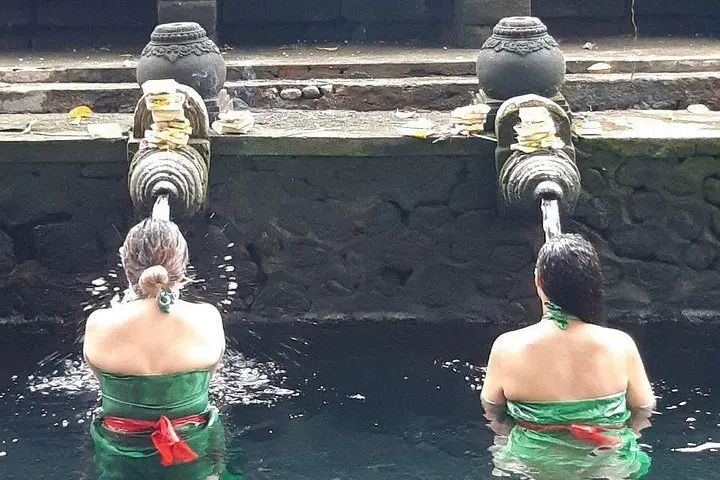
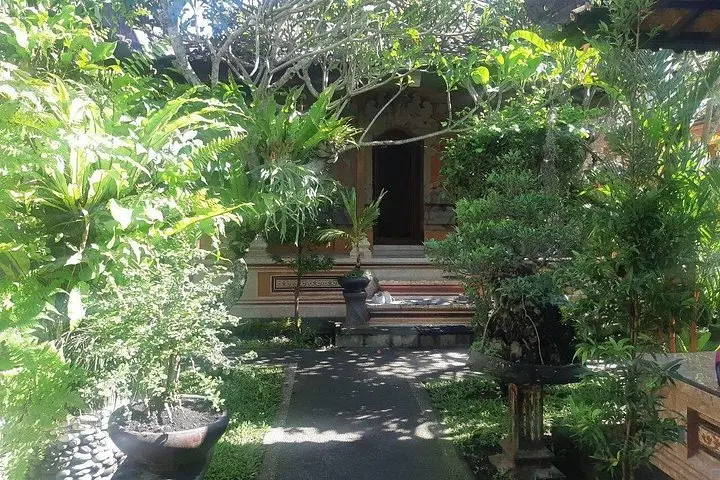
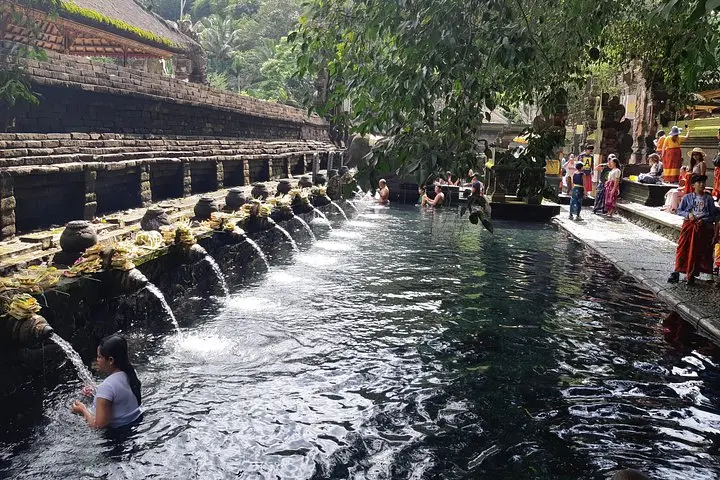
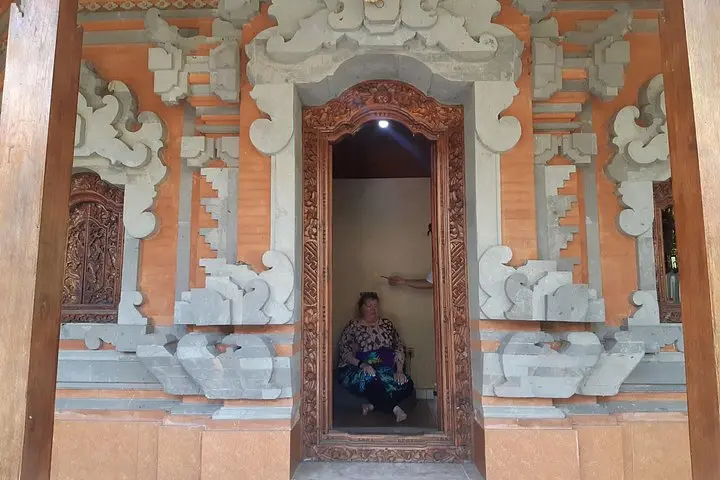
A narrow lane opens onto a courtyard of stone basins and moss-slick steps as the guide leads the small group toward the chant of priests and the steady spill of spring water. The morning light skims carved statues at Pura Tirta Empul; cold water threads through a succession of spouts that invite ritual cleansing. Later, the route climbs toward a coffee plantation alive with steaming brews and the aroma of roasted beans, and the day ends with the thunder of Tegenungan, where spray dares you closer to the lip of the falls.
A narrow lane opens onto a courtyard of stone basins and moss-slick steps as the guide leads the small group toward the chant of priests and the steady spill of spring water. The morning light skims carved statues at Pura Tirta Empul; cold water threads through a succession of spouts that invite ritual cleansing. Later, the route climbs toward a coffee plantation alive with steaming brews and the aroma of roasted beans, and the day ends with the thunder of Tegenungan, where spray dares you closer to the lip of the falls.
Tirta Empul dates to the 10th century and remains an active Balinese Hindu temple centered on a holy spring; its petirtaan (bathing pools) were engineered to channel fresh groundwater for communal purification. The volcanic geology of central Bali feeds that spring—limestone and porous ash layers collect and release the island’s subsurface flows. Culturally, the itinerary ties healing practices, offering rituals, and local agronomy (kopi luwak and robusta in smallholder plots) into a single half-day experience.
Practical guidance: arrive with lightweight, modest clothing—sarongs are often required and may be provided—bring swimwear under clothes if you plan to enter pools, and wear shoes that handle wet stone. Hydration is essential in tropical humidity; bottled water is usually supplied. Allow time for photography etiquette: steps and shrines are sacred, and temple protocols require respectful behavior. The tour runs about 8–10 hours and suits most fitness levels due to minimal elevation change but frequent walking on uneven surfaces.