THE ADVENTURE COLLECTIVE® · Independent discovery and booking for outdoor travel

A 13-day circuit from Dubrovnik to Zagreb that pairs coastal ferry crossings, medieval city walls and alpine lakes with guided local insights. Ideal for travelers who want immersive sightseeing without juggling logistics.
A 13-day circuit from Dubrovnik to Zagreb that pairs coastal ferry crossings, medieval city walls and alpine lakes with guided local insights. Ideal for travelers who want immersive sightseeing without juggling logistics.
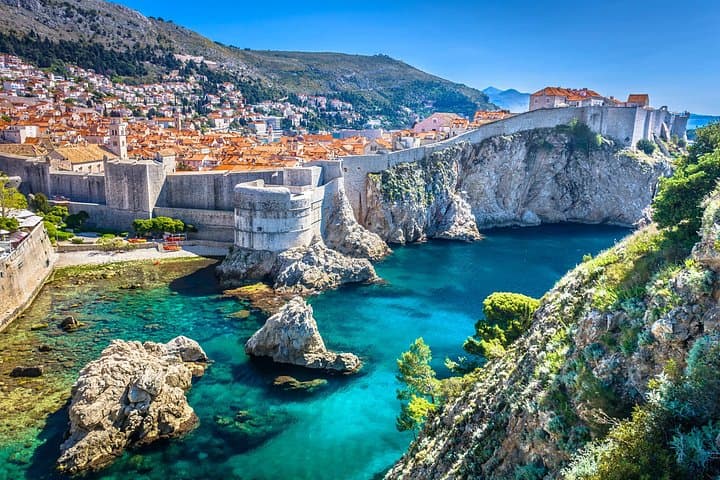
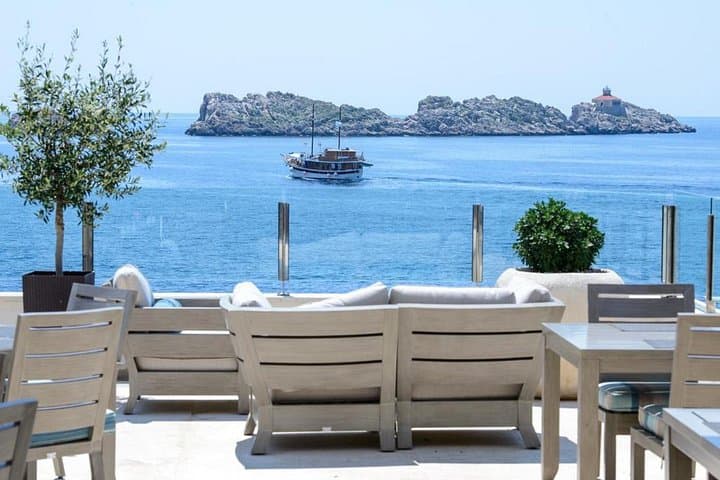
The Adriatic slips into view as the minibus rounds the last headland outside Dubrovnik — stone roofs glint, the city walls cut a clean silhouette against the sea, and the first evening unfolds on a sunset dinner cruise. Travelers on the 13-day Balkan Bliss tour move with that cinematic cadence: city walks here, a ferry crossing there, a lakeside pletna ride and a mining train deep inside Postojna Cave. The itinerary stitches coastal panoramas and inland mountains into a single, easily navigable route that keeps the logistics lean so you can concentrate on place.
Verified experiences and guided adventures in the surrounding area.
Operated by Kalejo Travel · Dubrovnik, Dubrovnik-Neretva County
The Adriatic slips into view as the minibus rounds the last headland outside Dubrovnik — stone roofs glint, the city walls cut a clean silhouette against the sea, and the first evening unfolds on a sunset dinner cruise. Travelers on the 13-day Balkan Bliss tour move with that cinematic cadence: city walks here, a ferry crossing there, a lakeside pletna ride and a mining train deep inside Postojna Cave. The itinerary stitches coastal panoramas and inland mountains into a single, easily navigable route that keeps the logistics lean so you can concentrate on place.
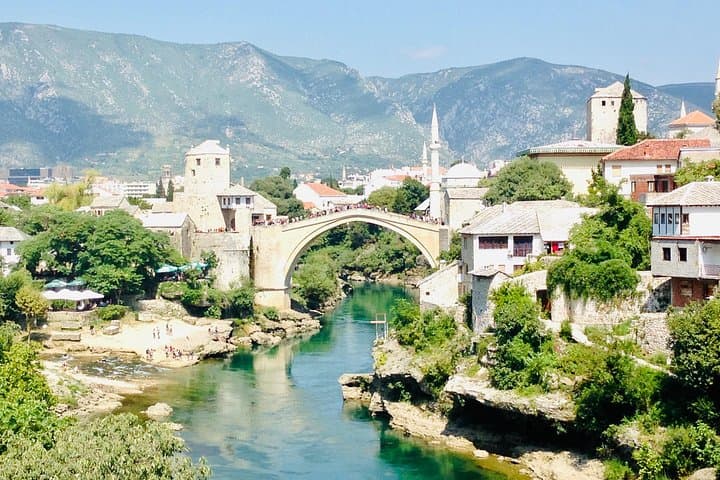
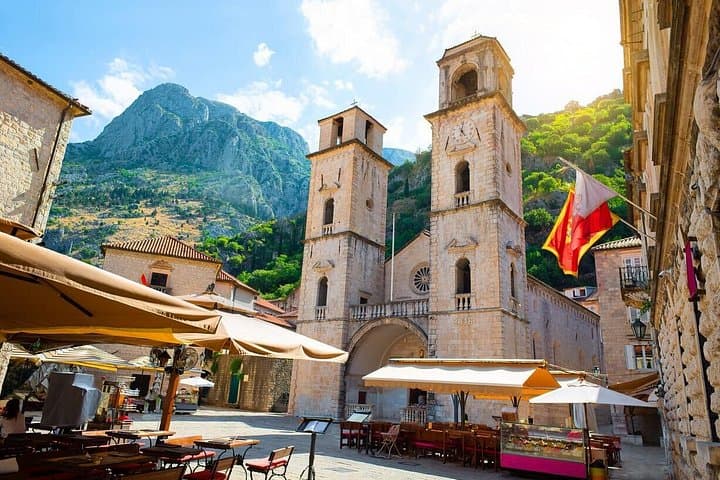
This route follows centuries of competing empires and trade. Dubrovnik’s walls recall the Republic of Ragusa’s maritime power; Mostar’s Stari Most bridges Ottoman and Mediterranean aesthetics; Split preserves Diocletian’s Roman footprint in narrow alleys and vaulted cellars. Geologically, the trip reads like a field guide to karst — limestone cliffs, subterranean cave systems, and the stepped turquoise pools of Plitvice sculpted by travertine deposition over millennia.
Culture here is tactile: olive oil poured at family-run lunches on Hvar, the soft chime of Bled Island’s church bell reached by a traditional pletna, and the raucous markets of Zagreb where spices and fresh produce crowd the stalls. Local Insiders lead many visits, giving context so a walk becomes a story rather than a checklist.
Expect a steady rhythm of exploration: guided walks through Dubrovnik’s walls (about 2 km of battlements with stairs and uneven stone), boat crossings to Hvar, a roughly 3–4 hour self-paced circuit in Plitvice on wooden boardwalks, and short ascents like the Srd Hill cable car viewpoint. Daily walking averages 3–6 miles with some stairs and cobbles; a moderate level of fitness makes the days comfortable. Bring footwear with solid grip for wet boardwalks and uneven pavements.
Practicalities are simple: the tour includes key admissions (Plitvice, Postojna Cave, Dubrovnik cable car), most breakfasts and several lunches or dinners, airport transfers at the start and end, and an experienced Travel Expert to manage cross-border formalities. Seasonal rhythm matters — summers bustle and days stretch long; spring and fall offer cooler temps and fewer crowds; winter trips are leaner, with some ferry schedules reduced.
Pacing your energy is as important as packing. Hydrate during long walks through Plitvice’s canyons, carry a lightweight rain shell for sudden Adriatic squalls, and leave a little room in your luggage for local wine and salt pans. The tour trades extreme exertion for continuous, layered discovery: a route designed so landscapes dare you to look closer and the past keeps pace with the present.
The tour includes 12 breakfasts, several lunches and 4 dinners as listed; some dinners and lunches are at leisure for self-exploration.
Yes — cross-border transfers and the included day trip to Montenegro and Postojna Cave are arranged; bring your passport for border control.
Expect moderate walking: daily guided walks and free time typically total 3–6 miles with stairs and uneven surfaces.
Single rooms may be available for a supplement; check booking options and request early as availability is limited.
Local suppliers can usually handle most dietary needs if notified ahead; use the special requirements field when booking.
All sales are final — no refunds for cancellations. The operator may cancel if minimum numbers aren’t met.
Kalejo Travel operates guided outdoor trips and adventures with an emphasis on safety, stewardship, and memorable experiences.
The Adriatic slips into view as the minibus rounds the last headland outside Dubrovnik — stone roofs glint, the city walls cut a clean silhouette against the sea, and the first evening unfolds on a sunset dinner cruise. Travelers on the 13-day Balkan Bliss tour move with that cinematic cadence: city walks here, a ferry crossing there, a lakeside pletna ride and a mining train deep inside Postojna Cave. The itinerary stitches coastal panoramas and inland mountains into a single, easily navigable route that keeps the logistics lean so you can concentrate on place.
The Adriatic slips into view as the minibus rounds the last headland outside Dubrovnik — stone roofs glint, the city walls cut a clean silhouette against the sea, and the first evening unfolds on a sunset dinner cruise. Travelers on the 13-day Balkan Bliss tour move with that cinematic cadence: city walks here, a ferry crossing there, a lakeside pletna ride and a mining train deep inside Postojna Cave. The itinerary stitches coastal panoramas and inland mountains into a single, easily navigable route that keeps the logistics lean so you can concentrate on place.
This route follows centuries of competing empires and trade. Dubrovnik’s walls recall the Republic of Ragusa’s maritime power; Mostar’s Stari Most bridges Ottoman and Mediterranean aesthetics; Split preserves Diocletian’s Roman footprint in narrow alleys and vaulted cellars. Geologically, the trip reads like a field guide to karst — limestone cliffs, subterranean cave systems, and the stepped turquoise pools of Plitvice sculpted by travertine deposition over millennia.
Culture here is tactile: olive oil poured at family-run lunches on Hvar, the soft chime of Bled Island’s church bell reached by a traditional pletna, and the raucous markets of Zagreb where spices and fresh produce crowd the stalls. Local Insiders lead many visits, giving context so a walk becomes a story rather than a checklist.
Expect a steady rhythm of exploration: guided walks through Dubrovnik’s walls (about 2 km of battlements with stairs and uneven stone), boat crossings to Hvar, a roughly 3–4 hour self-paced circuit in Plitvice on wooden boardwalks, and short ascents like the Srd Hill cable car viewpoint. Daily walking averages 3–6 miles with some stairs and cobbles; a moderate level of fitness makes the days comfortable. Bring footwear with solid grip for wet boardwalks and uneven pavements.
Practicalities are simple: the tour includes key admissions (Plitvice, Postojna Cave, Dubrovnik cable car), most breakfasts and several lunches or dinners, airport transfers at the start and end, and an experienced Travel Expert to manage cross-border formalities. Seasonal rhythm matters — summers bustle and days stretch long; spring and fall offer cooler temps and fewer crowds; winter trips are leaner, with some ferry schedules reduced.
Pacing your energy is as important as packing. Hydrate during long walks through Plitvice’s canyons, carry a lightweight rain shell for sudden Adriatic squalls, and leave a little room in your luggage for local wine and salt pans. The tour trades extreme exertion for continuous, layered discovery: a route designed so landscapes dare you to look closer and the past keeps pace with the present.