THE ADVENTURE COLLECTIVE® · Independent discovery and booking for outdoor travel

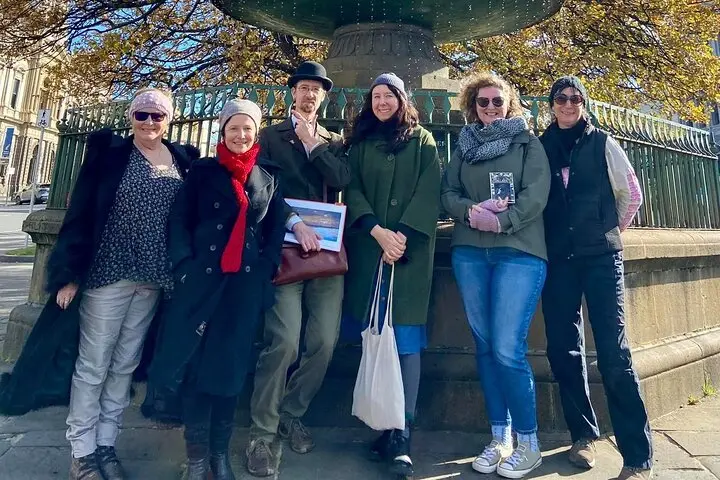
Walk through Ballarat’s historic streets where gold rush era buildings and secret laneways reveal the stories behind the Eureka Stockade. This 2+ hour guided tour mixes local lore with exclusive access to heritage sites and a mid-walk coffee.
Walk through Ballarat’s historic streets where gold rush era buildings and secret laneways reveal the stories behind the Eureka Stockade. This 2+ hour guided tour mixes local lore with exclusive access to heritage sites and a mid-walk coffee.
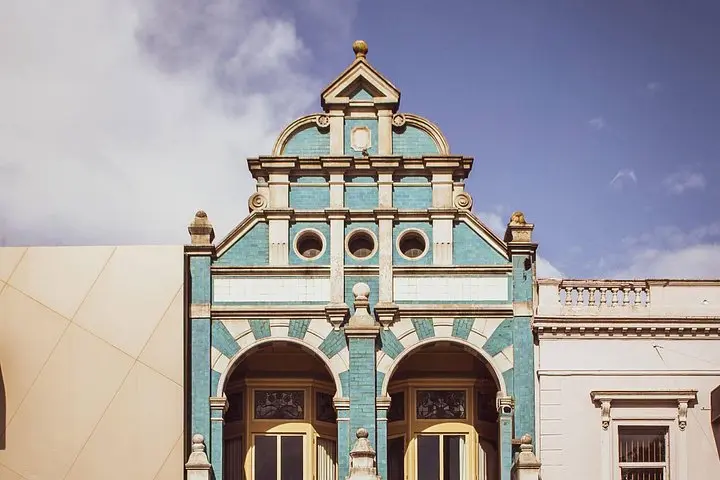
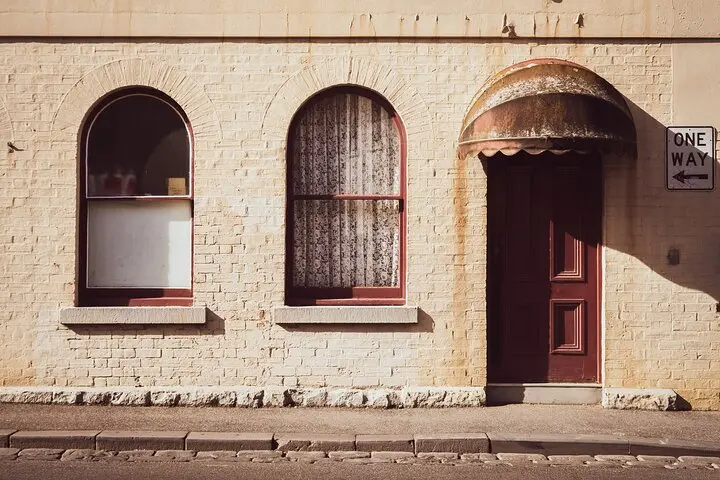
A cold wind threads through Ballarat’s narrow laneways as the guide steps off the kerb and the city’s past slips close enough to touch. Cobblestones click underfoot, iron lace façades watch from above, and the walk pauses at a low plaque where Peter Lalor once spoke; history here feels active, not dry.
Verified experiences and guided adventures in the surrounding area.
Operated by Hidden Lanes · Ballarat, Victoria
A cold wind threads through Ballarat’s narrow laneways as the guide steps off the kerb and the city’s past slips close enough to touch. Cobblestones click underfoot, iron lace façades watch from above, and the walk pauses at a low plaque where Peter Lalor once spoke; history here feels active, not dry.
Ballarat rose fast during Victoria’s 1850s Gold Rush: hurried buildings, improvised hotels and a politics that erupted into the Eureka Stockade. The town’s geology—gold-bearing quartz veins in the surrounding hills—drew prospectors and built the civic frame seen in the Town Hall and Mechanics Institute. Culturally the city blends miners’ grit with later civic pride; the tour visits Craig’s Hotel, the Mechanics Institute library and quieter laneways where local traders still trade stories.
Practical details make the walk smooth: the route is roughly 2–2.5 hours on paved streets and firm footpaths with short standing talks; small-group sizes keep questions moving. Public transport to Ballarat is frequent from Melbourne, and the train station is a 10–15 minute walk from the meeting point. Wear supportive shoes, layer for sudden weather changes, and bring a small bottle of water—tea or coffee is provided mid-tour. Accessibility is good for most visitors, but check with the operator for mobility needs.
This is a concise, story-rich urban walk that pairs tangible heritage with straightforward logistics—an ideal introduction to Ballarat’s dramatic civic history.
The tour lasts about 2–2.5 hours and covers short distances on paved streets with frequent stops for stories and site visits.
The operator notes wheelchair and stroller accessibility; contact them ahead to confirm any specific access needs or alternative meeting points.
The ticket includes a guided tour in English, entrance to the Ballaarat Mechanics Institute and Town Hall, a cup of tea/coffee/chai, and a Ballarat art print.
Full refunds are available if you cancel at least 24 hours before the scheduled departure; within 24 hours the booking is non-refundable.
Hidden Lanes operates guided outdoor trips and adventures with an emphasis on safety, stewardship, and memorable experiences.

A cold wind threads through Ballarat’s narrow laneways as the guide steps off the kerb and the city’s past slips close enough to touch. Cobblestones click underfoot, iron lace façades watch from above, and the walk pauses at a low plaque where Peter Lalor once spoke; history here feels active, not dry.
A cold wind threads through Ballarat’s narrow laneways as the guide steps off the kerb and the city’s past slips close enough to touch. Cobblestones click underfoot, iron lace façades watch from above, and the walk pauses at a low plaque where Peter Lalor once spoke; history here feels active, not dry.
Ballarat rose fast during Victoria’s 1850s Gold Rush: hurried buildings, improvised hotels and a politics that erupted into the Eureka Stockade. The town’s geology—gold-bearing quartz veins in the surrounding hills—drew prospectors and built the civic frame seen in the Town Hall and Mechanics Institute. Culturally the city blends miners’ grit with later civic pride; the tour visits Craig’s Hotel, the Mechanics Institute library and quieter laneways where local traders still trade stories.
Practical details make the walk smooth: the route is roughly 2–2.5 hours on paved streets and firm footpaths with short standing talks; small-group sizes keep questions moving. Public transport to Ballarat is frequent from Melbourne, and the train station is a 10–15 minute walk from the meeting point. Wear supportive shoes, layer for sudden weather changes, and bring a small bottle of water—tea or coffee is provided mid-tour. Accessibility is good for most visitors, but check with the operator for mobility needs.
This is a concise, story-rich urban walk that pairs tangible heritage with straightforward logistics—an ideal introduction to Ballarat’s dramatic civic history.