THE ADVENTURE COLLECTIVE® · Independent discovery and booking for outdoor travel

A brisk two-hour boat ride from Paracas delivers close encounters with Humboldt penguins, barking sea lions, and the enigmatic Candelabra geoglyph. This practical guide explains what to expect, when to go, and how to prepare for a low-effort but wildlife-rich outing.
A brisk two-hour boat ride from Paracas delivers close encounters with Humboldt penguins, barking sea lions, and the enigmatic Candelabra geoglyph. This practical guide explains what to expect, when to go, and how to prepare for a low-effort but wildlife-rich outing.
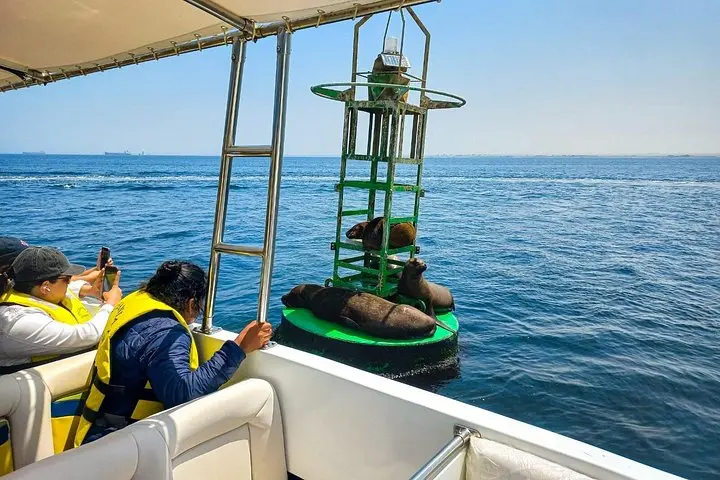
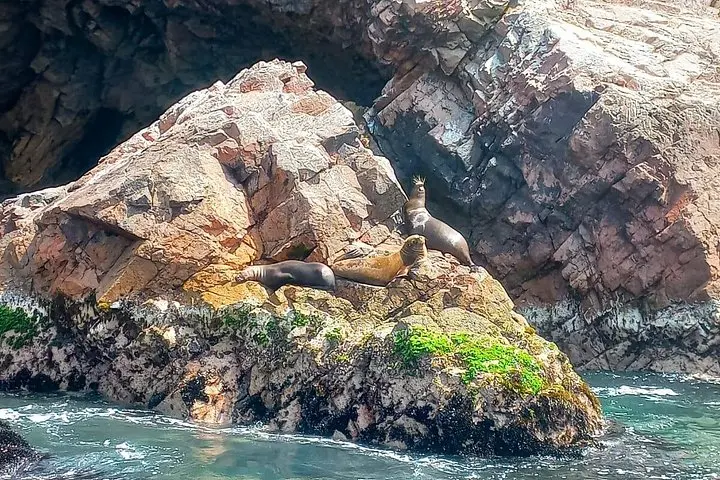
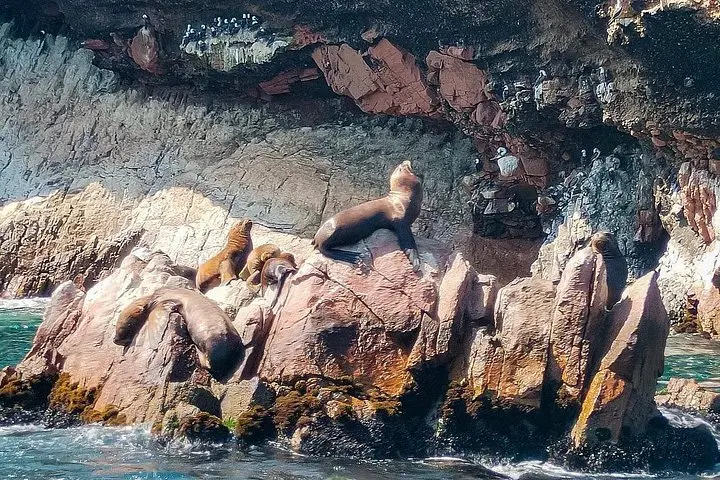
The outboard's wake parts low, brackish air as the shoreline of Paracas slips behind you and the Ballestas Islands loom like dark stone guardians. Gulls chatter and currents tease the hull; the islands themselves seem to breathe—waves polishing guano-streaked cliffs, sea lions vocalizing from sun-warmed rocks, and penguins popping like black-and-white punctuation in the surf.
Verified experiences and guided adventures in the surrounding area.
Operated by Agencia de viajes Meet Peru · Paracas, Ica
The outboard's wake parts low, brackish air as the shoreline of Paracas slips behind you and the Ballestas Islands loom like dark stone guardians. Gulls chatter and currents tease the hull; the islands themselves seem to breathe—waves polishing guano-streaked cliffs, sea lions vocalizing from sun-warmed rocks, and penguins popping like black-and-white punctuation in the surf.
Geologically the Ballestas are uplifted coastal outcrops carved by Pacific swell and wind, sitting at the interface of cold Humboldt currents and arid desert. Culturally they’ve been part of the maritime landscape for millennia: pre-Columbian peoples navigated these waters, later followed by guano collectors whose industry shaped the Ica region. The Candelabra, a vast geoglyph etched into the sand on the Paracas headland, nods to the same symbolic language that produced the Nazca lines.
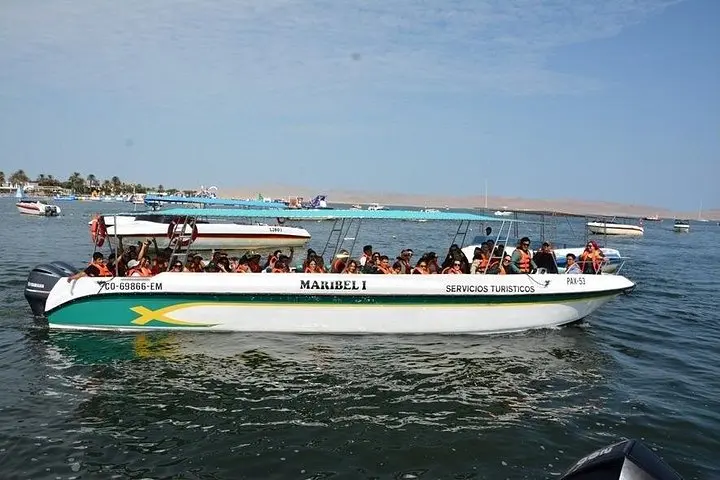
On a two-hour motorboat excursion you’ll approach seabird colonies, watch Humboldt penguins at close range, and circle seal haul-outs while an English-Spanish guide explains species behavior and conservation concerns. The sea can be brisk; light spray and sudden wind are part of the rhythm.
Practical guidance: book morning departures for calmer seas and better light, carry a wind layer and sunscreen, and use a camera with some zoom or binoculars for wildlife. Follow the guide’s distance rules—approach limits exist to protect breeding sites. Expect an easy, low-impact outing: minimal walking, steady boat motion, and vivid wildlife encounters that reward patience and quiet observation.
The standard shared boat trip lasts about two hours, including a stop by the Candelabra and a circuit of the islands.
Yes—Humboldt penguins and South American sea lions are commonly seen; sightings of dolphins are occasional and weather-dependent.
Generally yes; the boat tour is rated easy, but infants must sit on laps and those with spinal issues or pregnancy are advised not to participate.
Bring a camera with a 200–400mm equivalent lens if possible, plus a polarizing filter to cut glare—stabilize with your body or a hand strap on the moving boat.
Agencia de viajes Meet Peru operates guided outdoor trips and adventures with an emphasis on safety, stewardship, and memorable experiences.
The outboard's wake parts low, brackish air as the shoreline of Paracas slips behind you and the Ballestas Islands loom like dark stone guardians. Gulls chatter and currents tease the hull; the islands themselves seem to breathe—waves polishing guano-streaked cliffs, sea lions vocalizing from sun-warmed rocks, and penguins popping like black-and-white punctuation in the surf.
The outboard's wake parts low, brackish air as the shoreline of Paracas slips behind you and the Ballestas Islands loom like dark stone guardians. Gulls chatter and currents tease the hull; the islands themselves seem to breathe—waves polishing guano-streaked cliffs, sea lions vocalizing from sun-warmed rocks, and penguins popping like black-and-white punctuation in the surf.
Geologically the Ballestas are uplifted coastal outcrops carved by Pacific swell and wind, sitting at the interface of cold Humboldt currents and arid desert. Culturally they’ve been part of the maritime landscape for millennia: pre-Columbian peoples navigated these waters, later followed by guano collectors whose industry shaped the Ica region. The Candelabra, a vast geoglyph etched into the sand on the Paracas headland, nods to the same symbolic language that produced the Nazca lines.
On a two-hour motorboat excursion you’ll approach seabird colonies, watch Humboldt penguins at close range, and circle seal haul-outs while an English-Spanish guide explains species behavior and conservation concerns. The sea can be brisk; light spray and sudden wind are part of the rhythm.
Practical guidance: book morning departures for calmer seas and better light, carry a wind layer and sunscreen, and use a camera with some zoom or binoculars for wildlife. Follow the guide’s distance rules—approach limits exist to protect breeding sites. Expect an easy, low-impact outing: minimal walking, steady boat motion, and vivid wildlife encounters that reward patience and quiet observation.