THE ADVENTURE COLLECTIVE® · Independent discovery and booking for outdoor travel

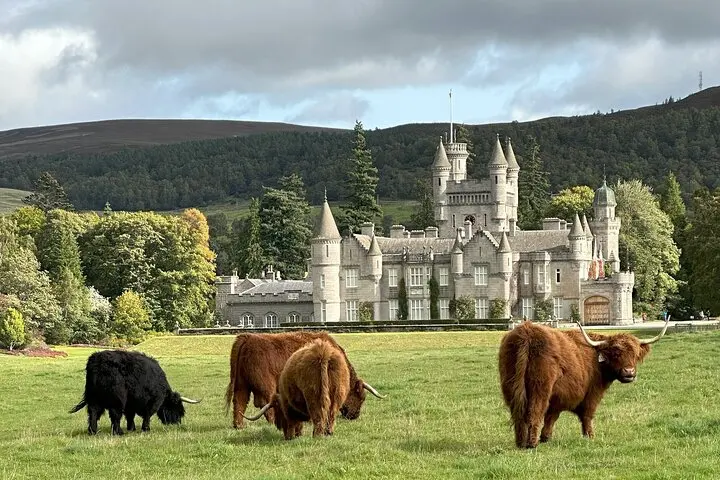
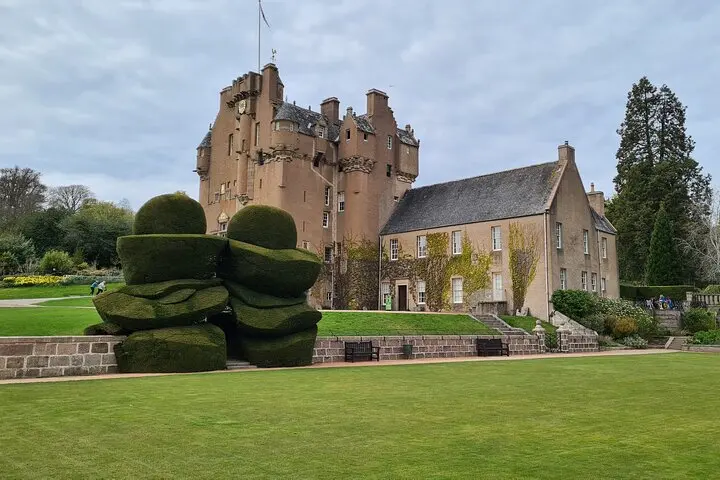
Follow the River Dee from Aberdeen into the heart of Royal Deeside on a day trip that visits Balmoral (or Crathes Castle when Balmoral is closed), the Victorian village of Ballater, the Cambus O' May suspension bridge and the ancient Tomnaverie stone circle. Expect riverside walks, lofty viewpoints and a compact dose of Highland history.
Follow the River Dee from Aberdeen into the heart of Royal Deeside on a day trip that visits Balmoral (or Crathes Castle when Balmoral is closed), the Victorian village of Ballater, the Cambus O' May suspension bridge and the ancient Tomnaverie stone circle. Expect riverside walks, lofty viewpoints and a compact dose of Highland history.
Morning light lifts off Aberdeen and the coach follows the river Dee inland, ribboning through fields and hills until the mountains of Royal Deeside fill the windscreen. The route moves from low farmland into heathered slopes and granite ridgelines; the river dares you to slow your pace and take the long view.
Verified experiences and guided adventures in the surrounding area.
Operated by Grampian Escapes Tours Ltd · Ballater, Aberdeenshire
Morning light lifts off Aberdeen and the coach follows the river Dee inland, ribboning through fields and hills until the mountains of Royal Deeside fill the windscreen. The route moves from low farmland into heathered slopes and granite ridgelines; the river dares you to slow your pace and take the long view.
This landscape shaped local life for millennia. Queen Victoria and Prince Albert established Balmoral as a royal retreat in the 1850s, drawing attention to the area’s Victorian villages and estates. Geologically, the Cairngorms’ metamorphic and granite substrates sculpt hollows and rounded Munros, while ancient human marks survive in recumbent stone circles like Tomnaverie, built around 4,500 years ago.
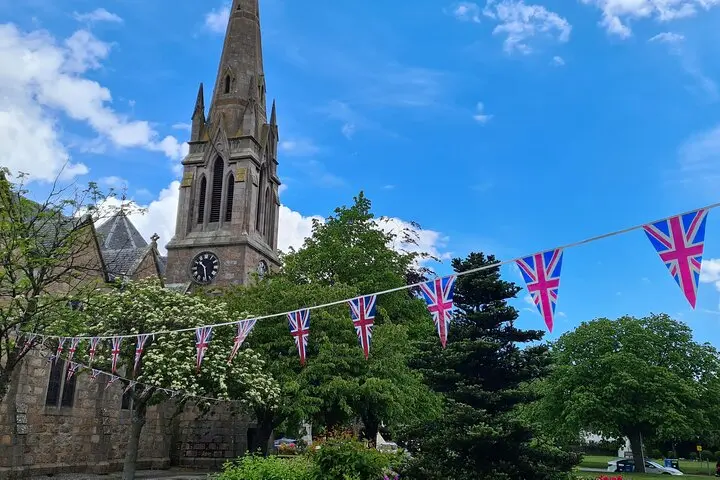
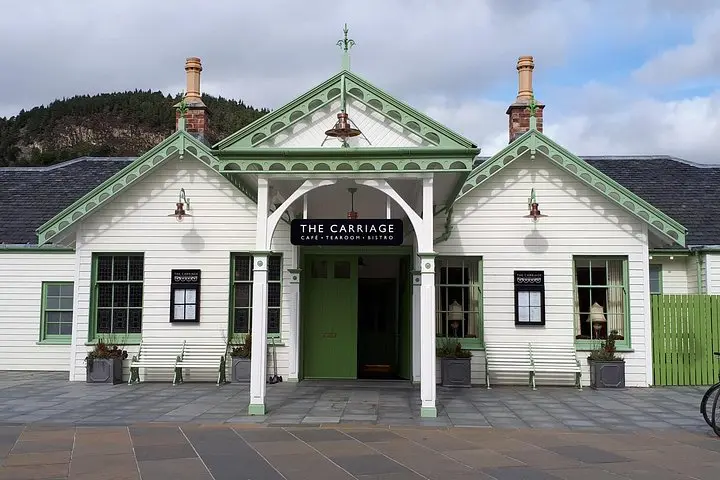
Ballater’s Victorian station and shopfronts wear Royal Warrants as quiet endorsements, and the Cambus O’May footbridge—50 m long and built in 1905—links the Deeside Way to woodland paths and wild-swim pools. Queen’s View outside Tarland offers panorama across the Howe of Cromar toward Lochnagar; on a clear day a dozen distinct summits read like a topographic map.
Practical guidance: expect a 7–8 hour day with moderate walking interspersed by coach transfers; the Ballroom at Balmoral is the main room open to visitors and the estate sometimes closes mid-August to early October (Crathes Castle is substituted then). Bring layered waterproofs, stout footwear for uneven paths, and enough water for short walks. Small-group rhythm means frequent stops but limited linger time—plan photos quickly and use the audio tour where offered. Moderate fitness and sensible footwear make this a full-day slice of Scottish highland country that’s accessible and richly storied.
No—Balmoral Estate often closes for part of the year (typically mid-August to early October); when closed the tour usually visits Crathes Castle instead.
The day includes several short walks (10–40 minutes) at viewpoints, the Cambus O' May bridge and Tomnaverie; participants should be comfortable on uneven ground.
Audio guides at Balmoral are recommended but may not be included; check the tour details for admission inclusions and have card or cash available if needed.
Infants and small children can be accommodated and strollers are possible in village areas, but some stops have uneven terrain unsuitable for prams.
Grampian Escapes Tours Ltd operates guided outdoor trips and adventures with an emphasis on safety, stewardship, and memorable experiences.
Morning light lifts off Aberdeen and the coach follows the river Dee inland, ribboning through fields and hills until the mountains of Royal Deeside fill the windscreen. The route moves from low farmland into heathered slopes and granite ridgelines; the river dares you to slow your pace and take the long view.
Morning light lifts off Aberdeen and the coach follows the river Dee inland, ribboning through fields and hills until the mountains of Royal Deeside fill the windscreen. The route moves from low farmland into heathered slopes and granite ridgelines; the river dares you to slow your pace and take the long view.
This landscape shaped local life for millennia. Queen Victoria and Prince Albert established Balmoral as a royal retreat in the 1850s, drawing attention to the area’s Victorian villages and estates. Geologically, the Cairngorms’ metamorphic and granite substrates sculpt hollows and rounded Munros, while ancient human marks survive in recumbent stone circles like Tomnaverie, built around 4,500 years ago.
Ballater’s Victorian station and shopfronts wear Royal Warrants as quiet endorsements, and the Cambus O’May footbridge—50 m long and built in 1905—links the Deeside Way to woodland paths and wild-swim pools. Queen’s View outside Tarland offers panorama across the Howe of Cromar toward Lochnagar; on a clear day a dozen distinct summits read like a topographic map.
Practical guidance: expect a 7–8 hour day with moderate walking interspersed by coach transfers; the Ballroom at Balmoral is the main room open to visitors and the estate sometimes closes mid-August to early October (Crathes Castle is substituted then). Bring layered waterproofs, stout footwear for uneven paths, and enough water for short walks. Small-group rhythm means frequent stops but limited linger time—plan photos quickly and use the audio tour where offered. Moderate fitness and sensible footwear make this a full-day slice of Scottish highland country that’s accessible and richly storied.