THE ADVENTURE COLLECTIVE® · Independent discovery and booking for outdoor travel

Cruise from Kissamos to Balos Lagoon and Gramvousa on a private transfer from Rethymnon, spending two hours each at a shallow turquoise lagoon and a dramatic Venetian fortress. This practical guide explains what to expect and how to prepare.
Cruise from Kissamos to Balos Lagoon and Gramvousa on a private transfer from Rethymnon, spending two hours each at a shallow turquoise lagoon and a dramatic Venetian fortress. This practical guide explains what to expect and how to prepare.
You step onto the ferry at Kissamos as the morning light slices the horizon; wind tugs at jackets and the sea dares you to look away. The boat slips past low, weathered headlands, and in an hour Balos opens like a pale bowl of water — vivid turquoise rimmed with white and a faint pink from crushed shells. Later, the silhouette of Gramvousa rises: a jagged rock crowned by a Venetian fortress that watches the bay from 137 meters above the sand.
Verified experiences and guided adventures in the surrounding area.
Operated by TravelPath AllcreteTours · Kissamos, Crete
You step onto the ferry at Kissamos as the morning light slices the horizon; wind tugs at jackets and the sea dares you to look away. The boat slips past low, weathered headlands, and in an hour Balos opens like a pale bowl of water — vivid turquoise rimmed with white and a faint pink from crushed shells. Later, the silhouette of Gramvousa rises: a jagged rock crowned by a Venetian fortress that watches the bay from 137 meters above the sand.
This stretch of northwest Crete carries layered history. Venetians built the fort in the 16th century to control shipping; later the cove hid smugglers and pirates. Geologically, the coastline is a mix of limestone headlands and shallow marine shelf that produces the lagoon’s striking palettes. Locals still fish around Kissamos; many birds use the islets for breeding, which is why the area has protected status and regulated access.
Practical guidance: the full experience runs about eight hours from Rethymnon with private vehicle transfer to Kissamos, then public ferry to Balos and Gramvousa. Expect two-hour stops at each site and additional time for boat travel and transfers. Terrain at Balos is flat sand and shallow water — ideal for wading — while Gramvousa requires a short, rocky climb to the fort with uneven steps. Wear sturdy sandals or light hiking shoes, bring reef‑safe sunscreen, and a dry bag for electronics. Note: small private boats are not permitted in this protected area; all visitors travel on the official ferry. Aim for the first departures to avoid the afternoon crowds and to catch cooler winds on the walk to the fortress.
The full tour is about eight hours including private transfer to Kissamos, ferry crossings, and roughly two hours at Balos and two hours at Gramvousa.
Yes — the lagoon is shallow and warm in summer, suitable for wading and casual snorkeling close to shore; bring your own mask and keep to permitted areas.
Yes, you can climb to the fortress; expect a rocky, uneven path and a climb up stone steps to reach the 137‑meter high viewpoint.
No—Balos and Gramvousa are protected; only official ferries and authorized vessels serve the area to reduce environmental impact.
TravelPath AllcreteTours operates guided outdoor trips and adventures with an emphasis on safety, stewardship, and memorable experiences.
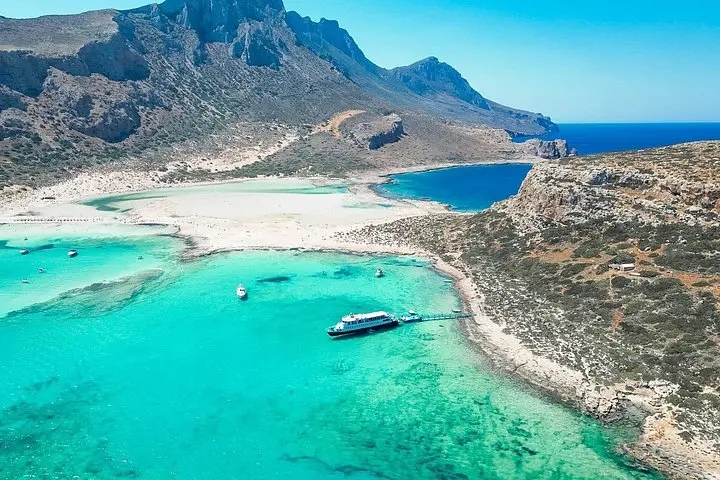
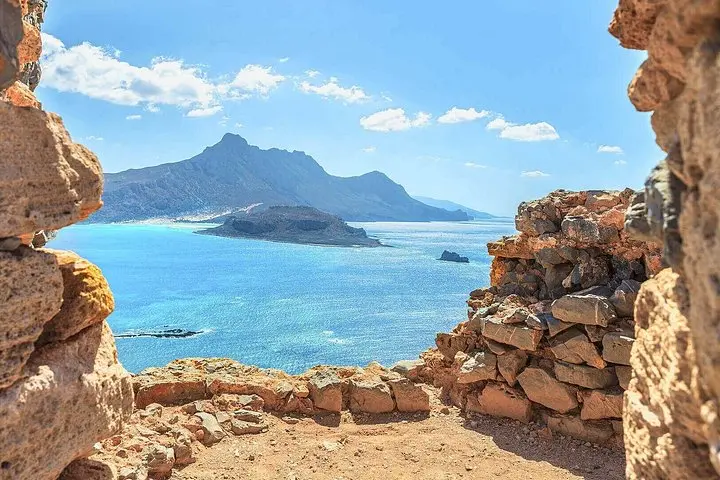
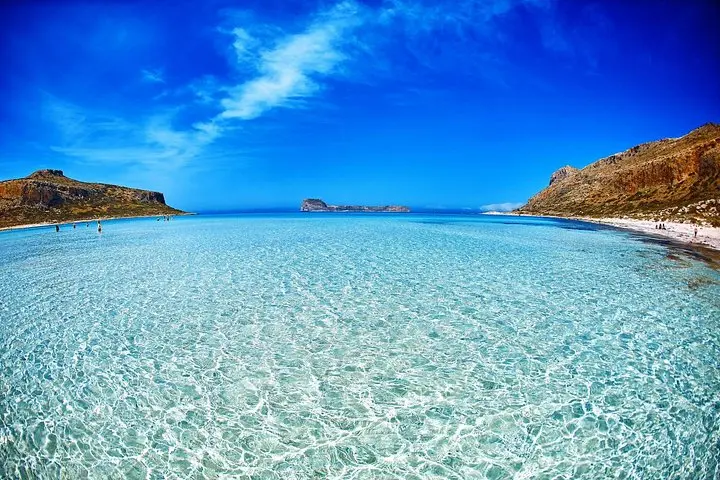
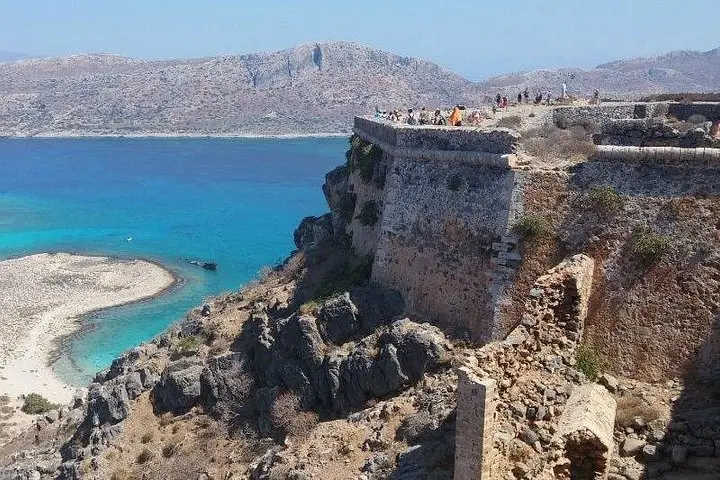
You step onto the ferry at Kissamos as the morning light slices the horizon; wind tugs at jackets and the sea dares you to look away. The boat slips past low, weathered headlands, and in an hour Balos opens like a pale bowl of water — vivid turquoise rimmed with white and a faint pink from crushed shells. Later, the silhouette of Gramvousa rises: a jagged rock crowned by a Venetian fortress that watches the bay from 137 meters above the sand.
You step onto the ferry at Kissamos as the morning light slices the horizon; wind tugs at jackets and the sea dares you to look away. The boat slips past low, weathered headlands, and in an hour Balos opens like a pale bowl of water — vivid turquoise rimmed with white and a faint pink from crushed shells. Later, the silhouette of Gramvousa rises: a jagged rock crowned by a Venetian fortress that watches the bay from 137 meters above the sand.
This stretch of northwest Crete carries layered history. Venetians built the fort in the 16th century to control shipping; later the cove hid smugglers and pirates. Geologically, the coastline is a mix of limestone headlands and shallow marine shelf that produces the lagoon’s striking palettes. Locals still fish around Kissamos; many birds use the islets for breeding, which is why the area has protected status and regulated access.
Practical guidance: the full experience runs about eight hours from Rethymnon with private vehicle transfer to Kissamos, then public ferry to Balos and Gramvousa. Expect two-hour stops at each site and additional time for boat travel and transfers. Terrain at Balos is flat sand and shallow water — ideal for wading — while Gramvousa requires a short, rocky climb to the fort with uneven steps. Wear sturdy sandals or light hiking shoes, bring reef‑safe sunscreen, and a dry bag for electronics. Note: small private boats are not permitted in this protected area; all visitors travel on the official ferry. Aim for the first departures to avoid the afternoon crowds and to catch cooler winds on the walk to the fortress.