THE ADVENTURE COLLECTIVE® · Independent discovery and booking for outdoor travel

Begin your Galápagos visit with a seamless transfer from Baltra to Santa Cruz, capped by a guided stop at El Chato Giant Tortoise Reserve. Expect short shuttles, a ferry crossing, and an easy highland walk among ancient tortoises and lava-formed trails.
Begin your Galápagos visit with a seamless transfer from Baltra to Santa Cruz, capped by a guided stop at El Chato Giant Tortoise Reserve. Expect short shuttles, a ferry crossing, and an easy highland walk among ancient tortoises and lava-formed trails.
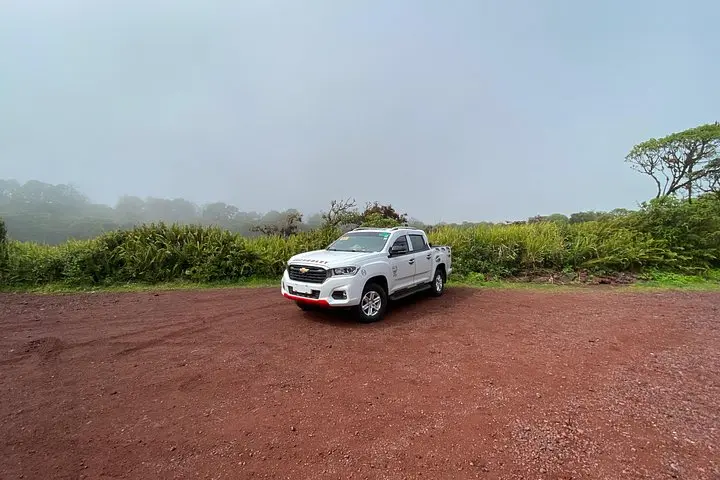
You step out of the small Baltra terminal into warm equatorial air and find your driver waiting with a Viator sign — the first quiet moment of a Galápagos day. The route stitches together a short shuttle across Baltra, a brief ferry over the Itabaca Channel, and a winding climb into Santa Cruz highlands where mossy lava flows and Scalesia forests take over.
Verified experiences and guided adventures in the surrounding area.
Operated by Galapagos Outdoors CL · Puerto Ayora, Galápagos
You step out of the small Baltra terminal into warm equatorial air and find your driver waiting with a Viator sign — the first quiet moment of a Galápagos day. The route stitches together a short shuttle across Baltra, a brief ferry over the Itabaca Channel, and a winding climb into Santa Cruz highlands where mossy lava flows and Scalesia forests take over.
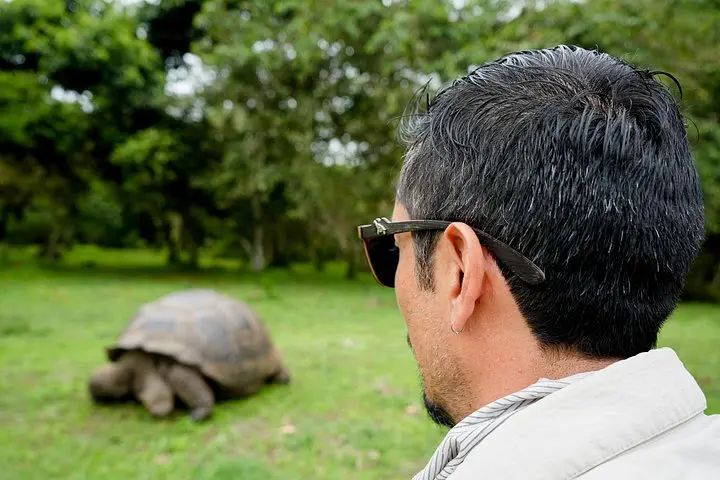
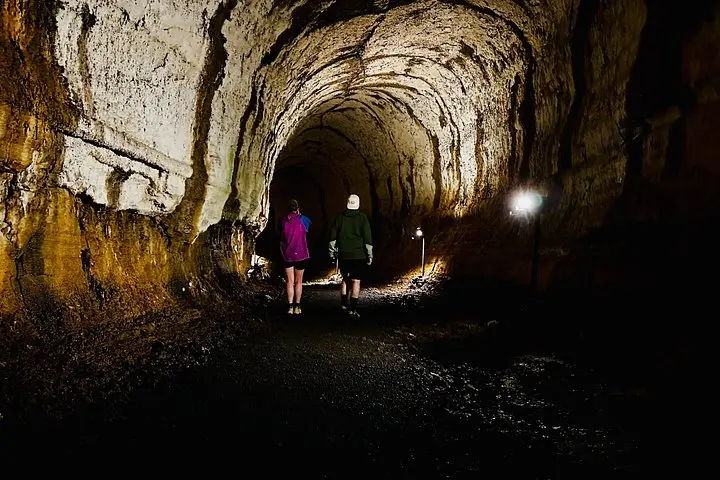
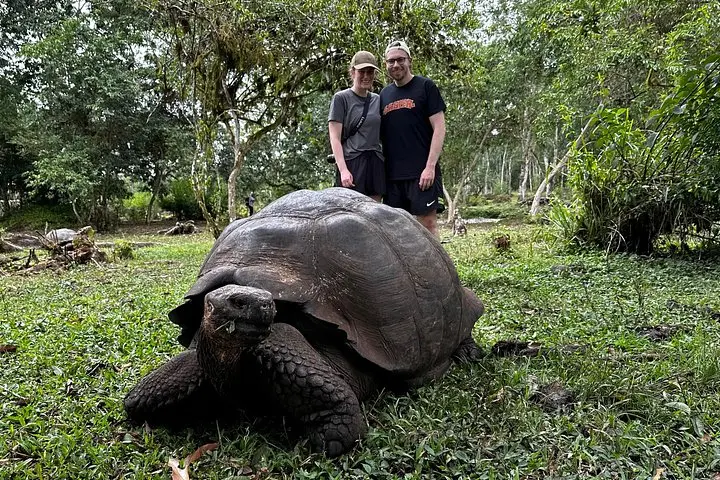
This stretch of Santa Cruz records the islands' volcanic past: collapsed calderas, hardened lava fields and freshwater seeps that allowed giant tortoises to evolve here in isolation. At El Chato Reserve, the tortoises move with deliberate curiosity; wooden signs and low-impact trails guide visitors through freshwater pools, lava tunnels and shady fern groves while local guides explain breeding programs and the islands' conservation history shaped by Charles Darwin's visits and later preservation efforts.
Cultural notes: Puerto Ayora remains a small port town where fishing and eco-tourism coexist, and drivers often double as informal local interpreters, offering context about Galápagos residency and land use.
Practical guidance: the shared transfer is low-impact and suited to most travelers, but the highland trails can be muddy after rain. Wear grippy shoes, carry water and insect repellent, and plan arrival timing to avoid peak ferry queues. Confirm your hotel is within Puerto Ayora town limits for drop-off. The total experience is an efficient, informative way to move islands while meeting the archipelago’s most iconic residents up close.
Yes, admission fees for the reserve are included as part of the transfer package.
Drop-off is limited to hotels within Puerto Ayora town; staying outside town may require additional arrangements.
The full service lasts about four hours, which includes shuttle segments, the ferry crossing and a guided hour at El Chato.
The transfer is accessible, but the reserve involves uneven ground and low tunnels; it’s not recommended for travelers with significant mobility limitations.
Galapagos Outdoors CL operates guided outdoor trips and adventures with an emphasis on safety, stewardship, and memorable experiences.
You step out of the small Baltra terminal into warm equatorial air and find your driver waiting with a Viator sign — the first quiet moment of a Galápagos day. The route stitches together a short shuttle across Baltra, a brief ferry over the Itabaca Channel, and a winding climb into Santa Cruz highlands where mossy lava flows and Scalesia forests take over.
You step out of the small Baltra terminal into warm equatorial air and find your driver waiting with a Viator sign — the first quiet moment of a Galápagos day. The route stitches together a short shuttle across Baltra, a brief ferry over the Itabaca Channel, and a winding climb into Santa Cruz highlands where mossy lava flows and Scalesia forests take over.
This stretch of Santa Cruz records the islands' volcanic past: collapsed calderas, hardened lava fields and freshwater seeps that allowed giant tortoises to evolve here in isolation. At El Chato Reserve, the tortoises move with deliberate curiosity; wooden signs and low-impact trails guide visitors through freshwater pools, lava tunnels and shady fern groves while local guides explain breeding programs and the islands' conservation history shaped by Charles Darwin's visits and later preservation efforts.
Cultural notes: Puerto Ayora remains a small port town where fishing and eco-tourism coexist, and drivers often double as informal local interpreters, offering context about Galápagos residency and land use.
Practical guidance: the shared transfer is low-impact and suited to most travelers, but the highland trails can be muddy after rain. Wear grippy shoes, carry water and insect repellent, and plan arrival timing to avoid peak ferry queues. Confirm your hotel is within Puerto Ayora town limits for drop-off. The total experience is an efficient, informative way to move islands while meeting the archipelago’s most iconic residents up close.