THE ADVENTURE COLLECTIVE® · Independent discovery and booking for outdoor travel

Drive across Bekol Savannah, explore Gua Jepang’s wartime chambers, and end on Bama Beach where mangroves meet reef. This 3–4 hour day trip through Baluran National Park delivers wildlife viewing, coastal panoramas, and short, easy walks.
Drive across Bekol Savannah, explore Gua Jepang’s wartime chambers, and end on Bama Beach where mangroves meet reef. This 3–4 hour day trip through Baluran National Park delivers wildlife viewing, coastal panoramas, and short, easy walks.
A morning light cuts across Bekol Savannah like a slow hand, crowning the short grass in pale gold as the road winds toward Mount Baluran’s low flank. Drivers slow for grazing deer and wild banteng; the air here is dry and sharp, carrying salt from the coast and the distant cry of macaques at Bama Beach. The itinerary moves from open savannah into shaded lowland forest before finishing on a white-sand shore where mangroves and coral reef shape the tidal edge.
Verified experiences and guided adventures in the surrounding area.
Operated by Thalia Travel · Situbondo, East Java
A morning light cuts across Bekol Savannah like a slow hand, crowning the short grass in pale gold as the road winds toward Mount Baluran’s low flank. Drivers slow for grazing deer and wild banteng; the air here is dry and sharp, carrying salt from the coast and the distant cry of macaques at Bama Beach. The itinerary moves from open savannah into shaded lowland forest before finishing on a white-sand shore where mangroves and coral reef shape the tidal edge.
Baluran’s landscape is a study in contrasts: a rain-shadowed savannah that can feel African in profile yet sits on volcanic soils of East Java. Gua Jepang (Japan Cave) is a historical waypoint — a wartime culvert used during the Japanese occupation — and a human layer on top of ancient geology. Bama Beach and nearby springs feed mangrove patches and support crab, reef fish, and long-tailed macaques that have learned to forage at the waterline.
Practical guidance: this is a short, vehicle-supported tour (roughly 3–4 hours) with light walking at viewpoints and along the beach. Start at first light or late afternoon for the best wildlife activity and cooler temperatures. Wear sturdy, closed shoes for uneven trails, bring 1–1.5 liters of water, sun protection, and insect repellent. Keep to marked tracks, maintain distance from wildlife (macaques may take food), and follow park rules—avoid feeding animals and pack out trash. Expect basic visitor facilities at main stops; allow extra time for photography and wildlife stops.
The tour lasts about 3–4 hours with most distances covered by vehicle; walking is short and generally on flat or gently uneven ground.
Yes—Bekol Savannah often hosts deer and banteng; Bama Beach and mangroves support birds, crabs, and long‑tailed macaques, particularly at dawn and dusk.
Gua Jepang is accessible as a historical stop but treat it respectfully—some sections may be narrow or unstable, so follow your guide’s directions.
Basic visitor facilities exist at main stops, but food options are limited—bring snacks or arrange transport with a guide if you need a meal.
Thalia Travel operates guided outdoor trips and adventures with an emphasis on safety, stewardship, and memorable experiences.
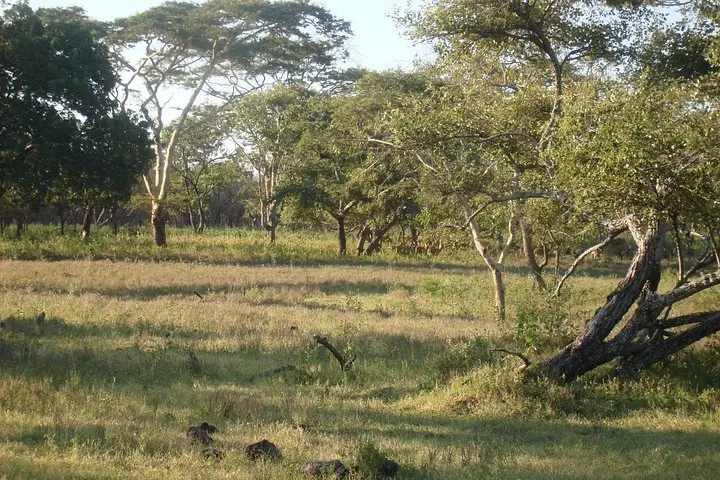
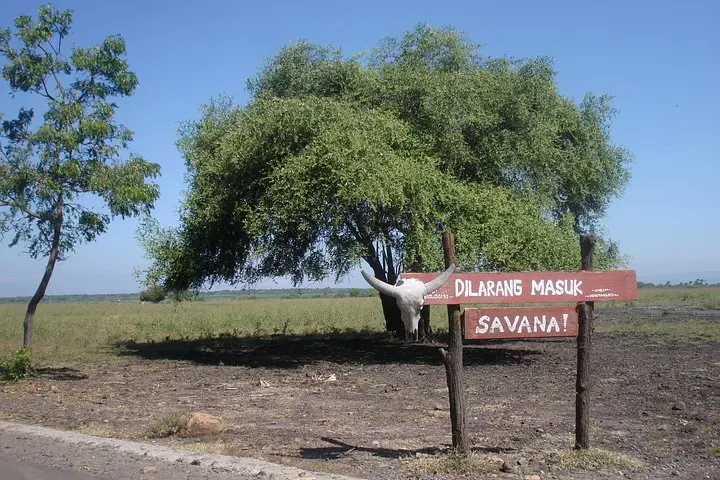
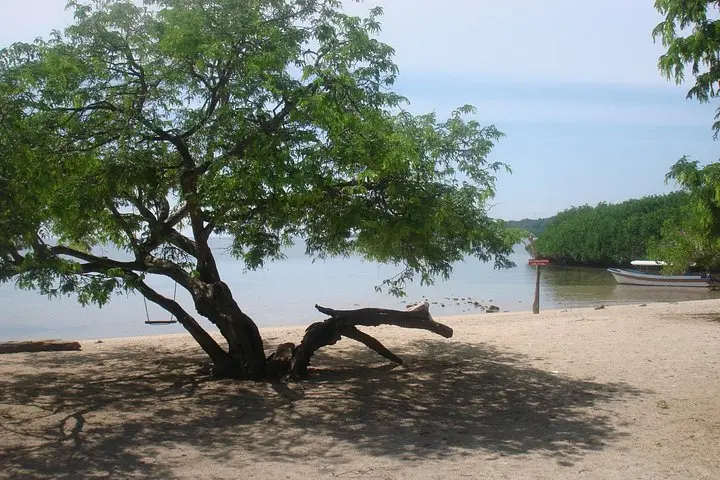
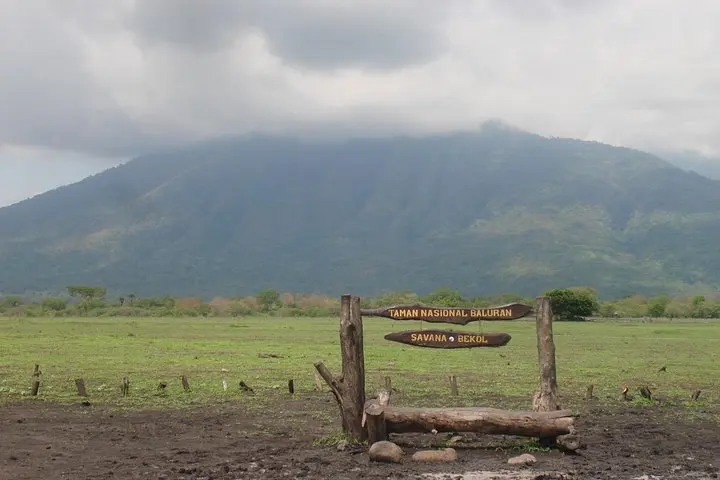
A morning light cuts across Bekol Savannah like a slow hand, crowning the short grass in pale gold as the road winds toward Mount Baluran’s low flank. Drivers slow for grazing deer and wild banteng; the air here is dry and sharp, carrying salt from the coast and the distant cry of macaques at Bama Beach. The itinerary moves from open savannah into shaded lowland forest before finishing on a white-sand shore where mangroves and coral reef shape the tidal edge.
A morning light cuts across Bekol Savannah like a slow hand, crowning the short grass in pale gold as the road winds toward Mount Baluran’s low flank. Drivers slow for grazing deer and wild banteng; the air here is dry and sharp, carrying salt from the coast and the distant cry of macaques at Bama Beach. The itinerary moves from open savannah into shaded lowland forest before finishing on a white-sand shore where mangroves and coral reef shape the tidal edge.
Baluran’s landscape is a study in contrasts: a rain-shadowed savannah that can feel African in profile yet sits on volcanic soils of East Java. Gua Jepang (Japan Cave) is a historical waypoint — a wartime culvert used during the Japanese occupation — and a human layer on top of ancient geology. Bama Beach and nearby springs feed mangrove patches and support crab, reef fish, and long-tailed macaques that have learned to forage at the waterline.
Practical guidance: this is a short, vehicle-supported tour (roughly 3–4 hours) with light walking at viewpoints and along the beach. Start at first light or late afternoon for the best wildlife activity and cooler temperatures. Wear sturdy, closed shoes for uneven trails, bring 1–1.5 liters of water, sun protection, and insect repellent. Keep to marked tracks, maintain distance from wildlife (macaques may take food), and follow park rules—avoid feeding animals and pack out trash. Expect basic visitor facilities at main stops; allow extra time for photography and wildlife stops.