THE ADVENTURE COLLECTIVE® · Independent discovery and booking for outdoor travel

Drift 6 miles down Jamaica’s Rio Grande on a hand-built bamboo raft, a heritage ride once used to ferry bananas to the coast. Calm water, sweeping valley views, and local raftsmen’s skill make this a serene, deeply local way to see Portland Parish.
Drift 6 miles down Jamaica’s Rio Grande on a hand-built bamboo raft, a heritage ride once used to ferry bananas to the coast. Calm water, sweeping valley views, and local raftsmen’s skill make this a serene, deeply local way to see Portland Parish.
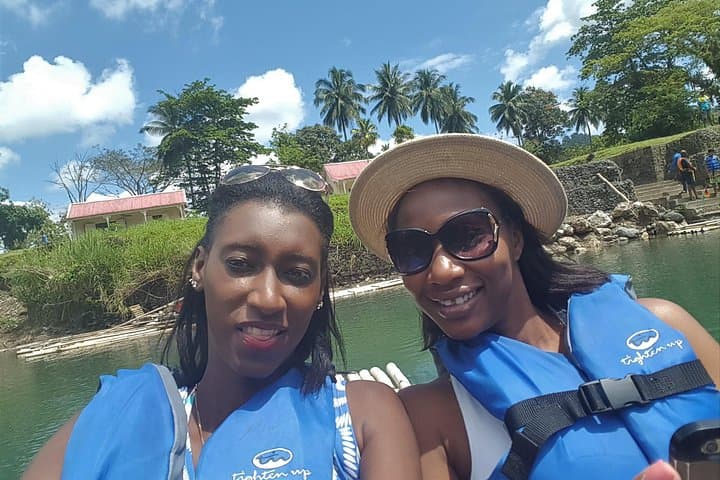
Morning heat gathers on the hills above Port Antonio as a bamboo raft noses into the jade-green Rio Grande. The river seems to breathe—glassy one moment, riffled the next—nudging the raft forward while the raftsman plants his pole and steers with unhurried precision. Birds work the banks, banana leaves flash bright in the sun, and the Blue Mountains hover like a quiet audience. It’s a ride that trades speed for presence, letting the river set the pace and the valley reveal itself bend by bend.
Verified experiences and guided adventures in the surrounding area.
Operated by El Sol Vida · Port Antonio, Portland Parish
Morning heat gathers on the hills above Port Antonio as a bamboo raft noses into the jade-green Rio Grande. The river seems to breathe—glassy one moment, riffled the next—nudging the raft forward while the raftsman plants his pole and steers with unhurried precision. Birds work the banks, banana leaves flash bright in the sun, and the Blue Mountains hover like a quiet audience. It’s a ride that trades speed for presence, letting the river set the pace and the valley reveal itself bend by bend.
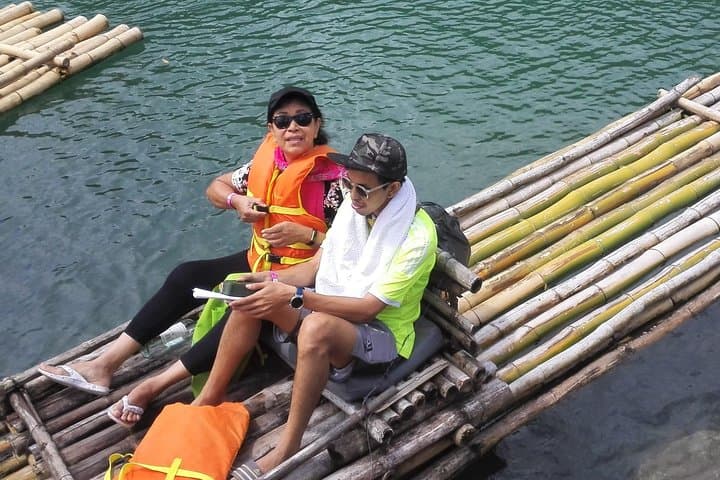
Local lore credits actor Errol Flynn with popularizing these outings in the mid-20th century, but the craft goes deeper: bamboo rafts once hauled bananas from upriver farms down to the coast. Today, the same 30-foot platforms carry two passengers at a time on a 6-mile (10 km) drift that typically runs 2–3 hours, depending on water level. The route often starts near Berrydale and glides toward the take-out by St. Margaret’s Bay, passing homesteads, shallows where the river whispers over stones, and broad pools that mirror the sky.
Geologically, the Rio Grande gathers from limestone country on the flanks of the Blue Mountains, filtering into a wide channel where silt lends that distinctive emerald hue. The current rarely rushes; it urges rather than commands. Expect mostly calm water with occasional easy riffles. The raft’s low profile turns the valley into a continuous panorama: bamboo arches overhead, kingfishers strafe the surface, and egrets patrol the sandbars like patient lifeguards.
On the practical side, this is an accessible river experience requiring no paddling or technical skill. Shade comes and goes, so sun protection matters. Lightweight footwear that can get wet is sensible for stepping on and off the raft. A dry bag protects phones for those midstream photo stops when the raftsman sets the pole and the river holds still, almost posing. Most trips run in the morning or early afternoon; early starts catch gentler light and cooler air. Afternoon showers are common in the wet season but tend to pass quickly.
Culturally, the raftsmen are custodians of both tradition and terrain. Many grew up along this water and read its depths by color alone. Tips are customary and go a long way in a community that’s kept this heritage alive. Leave only ripples, skip single-use plastics, and greet the river with a quiet mind—she rewards unhurried travelers.
By the take-out, salt air drifts up the valley, and the current widens as if stretching after a long walk. The raft swings toward shore and the day exhales. The Rio Grande doesn’t shout its beauty; it invites it—steady, confident, and always moving forward.
No. A licensed raftsman poles and steers the raft the entire way.
Yes. Life jackets can be provided on request and the water is generally calm with shallow sections.
Expect about 6 miles (10 km) over 2–3 hours, depending on water levels and photo stops.
Yes, children can ride with an adult. Infant seats are available by request through the operator.
Light, breathable clothing that can get wet, sun protection, and water-friendly footwear are recommended.
Trips often continue during light showers; heavy rain or high water may delay or reschedule for safety.
El Sol Vida operates guided outdoor trips and adventures with an emphasis on safety, stewardship, and memorable experiences.

Morning heat gathers on the hills above Port Antonio as a bamboo raft noses into the jade-green Rio Grande. The river seems to breathe—glassy one moment, riffled the next—nudging the raft forward while the raftsman plants his pole and steers with unhurried precision. Birds work the banks, banana leaves flash bright in the sun, and the Blue Mountains hover like a quiet audience. It’s a ride that trades speed for presence, letting the river set the pace and the valley reveal itself bend by bend.
Morning heat gathers on the hills above Port Antonio as a bamboo raft noses into the jade-green Rio Grande. The river seems to breathe—glassy one moment, riffled the next—nudging the raft forward while the raftsman plants his pole and steers with unhurried precision. Birds work the banks, banana leaves flash bright in the sun, and the Blue Mountains hover like a quiet audience. It’s a ride that trades speed for presence, letting the river set the pace and the valley reveal itself bend by bend.
Local lore credits actor Errol Flynn with popularizing these outings in the mid-20th century, but the craft goes deeper: bamboo rafts once hauled bananas from upriver farms down to the coast. Today, the same 30-foot platforms carry two passengers at a time on a 6-mile (10 km) drift that typically runs 2–3 hours, depending on water level. The route often starts near Berrydale and glides toward the take-out by St. Margaret’s Bay, passing homesteads, shallows where the river whispers over stones, and broad pools that mirror the sky.
Geologically, the Rio Grande gathers from limestone country on the flanks of the Blue Mountains, filtering into a wide channel where silt lends that distinctive emerald hue. The current rarely rushes; it urges rather than commands. Expect mostly calm water with occasional easy riffles. The raft’s low profile turns the valley into a continuous panorama: bamboo arches overhead, kingfishers strafe the surface, and egrets patrol the sandbars like patient lifeguards.
On the practical side, this is an accessible river experience requiring no paddling or technical skill. Shade comes and goes, so sun protection matters. Lightweight footwear that can get wet is sensible for stepping on and off the raft. A dry bag protects phones for those midstream photo stops when the raftsman sets the pole and the river holds still, almost posing. Most trips run in the morning or early afternoon; early starts catch gentler light and cooler air. Afternoon showers are common in the wet season but tend to pass quickly.
Culturally, the raftsmen are custodians of both tradition and terrain. Many grew up along this water and read its depths by color alone. Tips are customary and go a long way in a community that’s kept this heritage alive. Leave only ripples, skip single-use plastics, and greet the river with a quiet mind—she rewards unhurried travelers.
By the take-out, salt air drifts up the valley, and the current widens as if stretching after a long walk. The raft swings toward shore and the day exhales. The Rio Grande doesn’t shout its beauty; it invites it—steady, confident, and always moving forward.