THE ADVENTURE COLLECTIVE® · Independent discovery and booking for outdoor travel

A two-day guided loop from Hanoi to Bản Giốc Waterfall combines dramatic karst scenery, boat rides (optional), and a visit to Nguom Ngao Cave and Truc Lam Pagoda. Long coach travel is balanced by short, rewarding walks and panoramic viewpoints.
A two-day guided loop from Hanoi to Bản Giốc Waterfall combines dramatic karst scenery, boat rides (optional), and a visit to Nguom Ngao Cave and Truc Lam Pagoda. Long coach travel is balanced by short, rewarding walks and panoramic viewpoints.
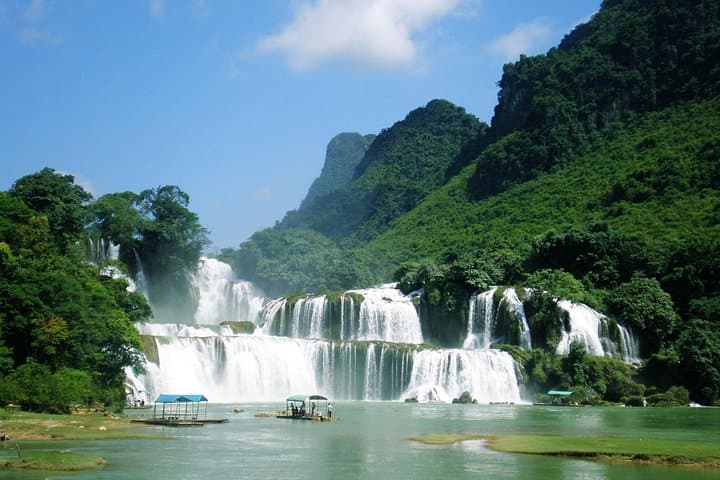
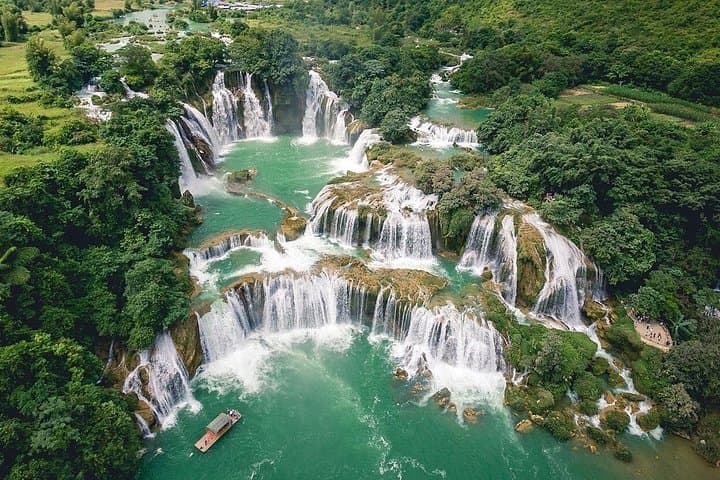
The bus slips out of Hanoi before dawn and the plain thins into limestone towers; mist clings to terraces and the highway becomes a promise. By midday the roar of Bản Giốc arrives first as a low, steady drum, then as sheets of white that push air across your face. From viewpoint paths the falls break into tiers and pools, water daring you closer while the border with China sits just across the river.
Verified experiences and guided adventures in the surrounding area.
Operated by Authentic SAPA · Cao Bang, Cao Bang
The bus slips out of Hanoi before dawn and the plain thins into limestone towers; mist clings to terraces and the highway becomes a promise. By midday the roar of Bản Giốc arrives first as a low, steady drum, then as sheets of white that push air across your face. From viewpoint paths the falls break into tiers and pools, water daring you closer while the border with China sits just across the river.
Geology here is loud: tower karst carved by millennia of chemical weathering, uplift, and river incision. Ban Gioc is one of the largest transnational cascades in the region, its flow and shape shifting with the monsoon. The nearby Nguom Ngao cave offers a contrast — quiet caverns of stalactites and chambers shaped by slow drips. Cultural notes thread through the trip: Tay and Nung ethnic villages, a frontier pagoda that doubles as a high lookout, and fishing boats that read the river like an old map.
Practically, this is a travel-heavy but low-technical tour — expect long coach hours (Hanoi–Cao Bằng ~335 km), short walks on uneven, sometimes muddy tracks, and optional local boat rides at the falls (pay locally). Bring layered rain protection, sturdy shoes that grip wet stone, and enough cash for boat rides and snacks. Time visits for post-rain months if you want maximum flow; choose dry-season mornings for clearer viewpoints. Guides handle logistics and entrance fees on this organized two-day schedule, leaving travelers to focus on the landscape: water that keeps moving and karst towers that refuse to stand still.
The roundtrip is about 335 km each way and typically takes 6–8 hours one way by coach, depending on traffic and stops.
No — boat rides near Bản Giốc are optional, arranged and paid locally, and prices vary seasonally.
Yes, families can join but expect long travel days; infants should sit on laps per the tour policy and parents should plan accordingly.
Late spring through the monsoon (June–September) usually brings higher flows; for clearer skies and viewpoints, visit in the drier months (October–April).
Authentic SAPA operates guided outdoor trips and adventures with an emphasis on safety, stewardship, and memorable experiences.


The bus slips out of Hanoi before dawn and the plain thins into limestone towers; mist clings to terraces and the highway becomes a promise. By midday the roar of Bản Giốc arrives first as a low, steady drum, then as sheets of white that push air across your face. From viewpoint paths the falls break into tiers and pools, water daring you closer while the border with China sits just across the river.
The bus slips out of Hanoi before dawn and the plain thins into limestone towers; mist clings to terraces and the highway becomes a promise. By midday the roar of Bản Giốc arrives first as a low, steady drum, then as sheets of white that push air across your face. From viewpoint paths the falls break into tiers and pools, water daring you closer while the border with China sits just across the river.
Geology here is loud: tower karst carved by millennia of chemical weathering, uplift, and river incision. Ban Gioc is one of the largest transnational cascades in the region, its flow and shape shifting with the monsoon. The nearby Nguom Ngao cave offers a contrast — quiet caverns of stalactites and chambers shaped by slow drips. Cultural notes thread through the trip: Tay and Nung ethnic villages, a frontier pagoda that doubles as a high lookout, and fishing boats that read the river like an old map.
Practically, this is a travel-heavy but low-technical tour — expect long coach hours (Hanoi–Cao Bằng ~335 km), short walks on uneven, sometimes muddy tracks, and optional local boat rides at the falls (pay locally). Bring layered rain protection, sturdy shoes that grip wet stone, and enough cash for boat rides and snacks. Time visits for post-rain months if you want maximum flow; choose dry-season mornings for clearer viewpoints. Guides handle logistics and entrance fees on this organized two-day schedule, leaving travelers to focus on the landscape: water that keeps moving and karst towers that refuse to stand still.