THE ADVENTURE COLLECTIVE® · Independent discovery and booking for outdoor travel

A four-day journey through Cao Bang province that pairs the thunder of Ban Gioc Waterfall with the stillness of Ba Be Lake—karst panoramas, cave passages, and homestay evenings. Practical travel notes and on-the-ground tips for planning the trip.
A four-day journey through Cao Bang province that pairs the thunder of Ban Gioc Waterfall with the stillness of Ba Be Lake—karst panoramas, cave passages, and homestay evenings. Practical travel notes and on-the-ground tips for planning the trip.
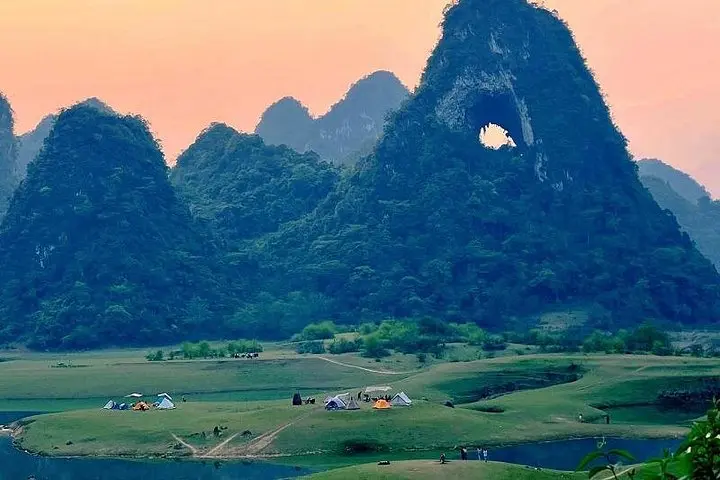
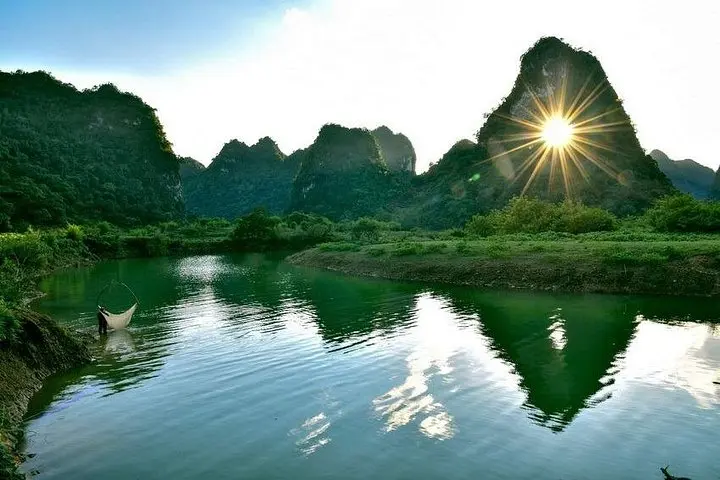
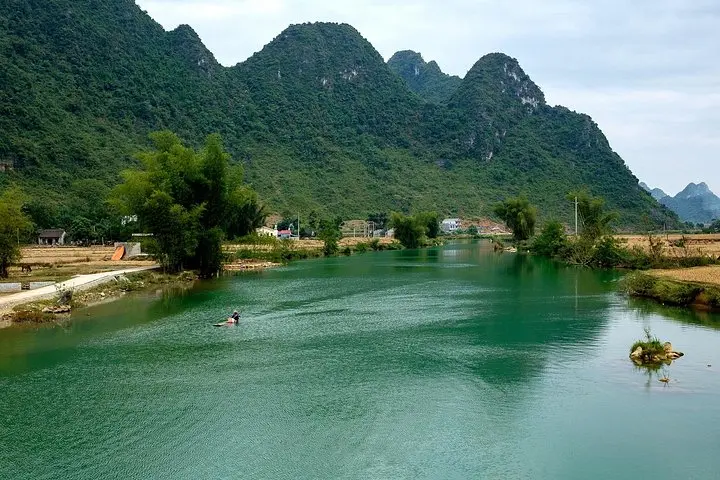
Morning light slices through limestone spires as the bus winds north from Hanoi, rice paddies rolling away and mountain air pressing cool against the windows. By day two the roar of Ban Gioc announces itself long before the falls appear: broad tiers of water shearing over karst steps, mist daring you closer and swimmers of sunlight catching on the spray.
Verified experiences and guided adventures in the surrounding area.
Operated by LOCAL TOURS VIETNAM · Cao Bang, Cao Bang Province
Morning light slices through limestone spires as the bus winds north from Hanoi, rice paddies rolling away and mountain air pressing cool against the windows. By day two the roar of Ban Gioc announces itself long before the falls appear: broad tiers of water shearing over karst steps, mist daring you closer and swimmers of sunlight catching on the spray.
This four-day loop moves between two of Northeast Vietnam’s geological signatures: the multi-tiered Ban Gioc/Detian falls fed by the Quay Son River and the deep, forested basin of Ba Be Lake—Vietnam’s largest natural freshwater lake. The region’s stone is ancient carbonate, carved into towers, caves and valleys; human history sits beside it in small Tay, Nung and H’mong communities, and in Pac Bo, the revolutionary site where Ho Chi Minh camped. Local homestays serve regional staples—sticky rice, smoked fish, mountain vegetables—simple food that refuels tired legs.
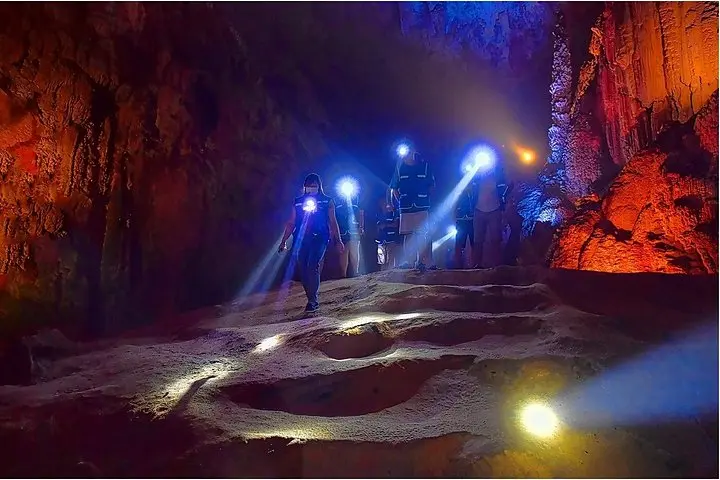
Practically: expect long but comfortable transfers (Hanoi–Cao Bang ~6–7 hours one way), three homestay nights, guided cave visits and optional boat trips on Ba Be. Trails are short but can be slick after rain; footwear with traction and a lightweight rain jacket are worthwhile. Bring cash—remote villages and boat operators often don’t take cards—and a spare battery for photos in low light caves. Plan arrivals around midday at Ban Gioc for softer light and smaller crowds, and save energy for an early morning on Ba Be when the lake is glass and the birds wake first.
This itinerary balances scenery, culture and manageable activity: you’ll return with waterfalls in your memory and a clearer sense of Vietnam’s limestone north.
The tour is rated easy–moderate: most days involve short walks, cave visits, and boat rides; no technical climbing is required.
You do not need to cross the border for this itinerary, but carry your passport—border areas may require identification and some sites check IDs.
Boat trips on Ba Be are often optional and may require additional payment to local boat operators; check with the guide on arrival.
This tour includes an English-speaking guide as listed in the inclusions.
LOCAL TOURS VIETNAM operates guided outdoor trips and adventures with an emphasis on safety, stewardship, and memorable experiences.
Morning light slices through limestone spires as the bus winds north from Hanoi, rice paddies rolling away and mountain air pressing cool against the windows. By day two the roar of Ban Gioc announces itself long before the falls appear: broad tiers of water shearing over karst steps, mist daring you closer and swimmers of sunlight catching on the spray.
Morning light slices through limestone spires as the bus winds north from Hanoi, rice paddies rolling away and mountain air pressing cool against the windows. By day two the roar of Ban Gioc announces itself long before the falls appear: broad tiers of water shearing over karst steps, mist daring you closer and swimmers of sunlight catching on the spray.
This four-day loop moves between two of Northeast Vietnam’s geological signatures: the multi-tiered Ban Gioc/Detian falls fed by the Quay Son River and the deep, forested basin of Ba Be Lake—Vietnam’s largest natural freshwater lake. The region’s stone is ancient carbonate, carved into towers, caves and valleys; human history sits beside it in small Tay, Nung and H’mong communities, and in Pac Bo, the revolutionary site where Ho Chi Minh camped. Local homestays serve regional staples—sticky rice, smoked fish, mountain vegetables—simple food that refuels tired legs.
Practically: expect long but comfortable transfers (Hanoi–Cao Bang ~6–7 hours one way), three homestay nights, guided cave visits and optional boat trips on Ba Be. Trails are short but can be slick after rain; footwear with traction and a lightweight rain jacket are worthwhile. Bring cash—remote villages and boat operators often don’t take cards—and a spare battery for photos in low light caves. Plan arrivals around midday at Ban Gioc for softer light and smaller crowds, and save energy for an early morning on Ba Be when the lake is glass and the birds wake first.
This itinerary balances scenery, culture and manageable activity: you’ll return with waterfalls in your memory and a clearer sense of Vietnam’s limestone north.