THE ADVENTURE COLLECTIVE® · Independent discovery and booking for outdoor travel

A two-day, multi-mode trip from Hanoi to Ban Gioc delivers dramatic falls, limestone caves and ethnic-village culture in Cao Bang Global Geopark. Expect motorbike stretches, a short boat approach to the falls, and homestay evenings sampling regional cuisine.
A two-day, multi-mode trip from Hanoi to Ban Gioc delivers dramatic falls, limestone caves and ethnic-village culture in Cao Bang Global Geopark. Expect motorbike stretches, a short boat approach to the falls, and homestay evenings sampling regional cuisine.
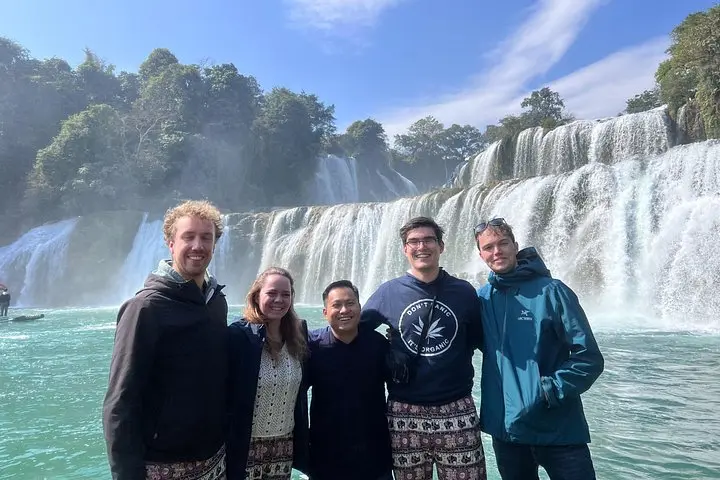
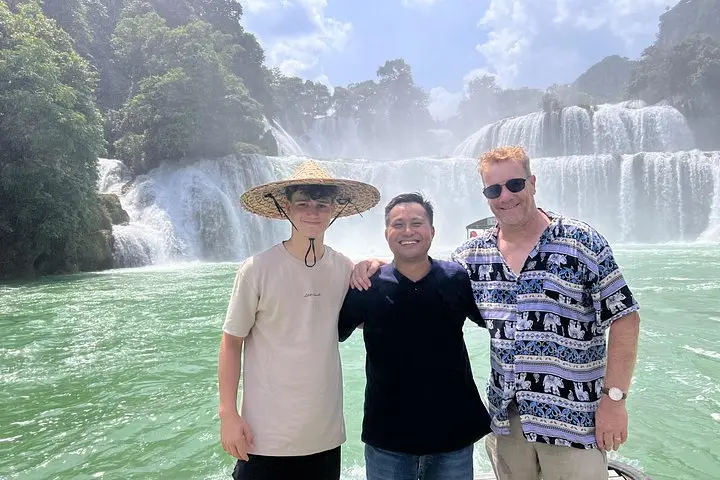
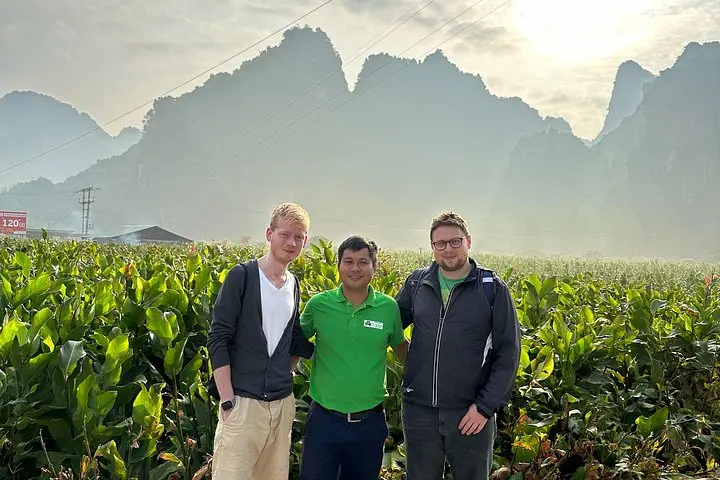
You arrive before dawn in the thin light of northern Vietnam, the van humming away from Hanoi as rice paddies and karst ridgelines unspool toward the border. By midday the air tastes fresher; the river’s voice grows louder until Ban Gioc appears—tiers of white water stepping down a broad limestone throat, spray catching sun like thin glass.
Verified experiences and guided adventures in the surrounding area.
Operated by Vietnam Northern Travel · Cao Bang, Cao Bang Province
You arrive before dawn in the thin light of northern Vietnam, the van humming away from Hanoi as rice paddies and karst ridgelines unspool toward the border. By midday the air tastes fresher; the river’s voice grows louder until Ban Gioc appears—tiers of white water stepping down a broad limestone throat, spray catching sun like thin glass.
The route threads through Cao Bang Global Geopark, an area recognized for its limestone karst, caves and ethnic-minority villages. Nùng Chi Cao’s temple and the Tay and Nùng stilt houses tell a history of frontier kingdoms and cross-border trade; Ngao Cave nearby preserves stalactites shaped over millions of years. Trúc Lâm Pagoda perches above the falls, offering a panoramic vantage where the Vietnamese plain meets the Chinese bank.
Expect a mix of short walks on uneven, often wet limestone, a calm boat approach that brings you into the waterfall’s spray, and time in a Tay homestay where local cuisine—stuffed bamboo, duck noodle soup—anchors the day. Distances: plan for ~6–7 hours driving from Hanoi to Cao Bang, with multiple short 0.5–2 km walks on the second day; elevation changes are modest but include steep steps to viewpoints.
Practical edge: waterproof layers, non-slip shoes, and small local currency will save time; cameras and a waterproof bag are recommended for the boat approach. Travel in spring or autumn for cooler, clearer weather; in rainy months expect higher flows and slick rocks. Respect village rhythms, follow your guide on river crossings, and leave no trace—this geopark’s karst systems are fragile but unforgettable.
The transfer from Hanoi to Cao Bang generally takes about 6–7 hours by van; the itinerary schedules early departure and arrival the same day for rest and local exploration.
Yes—local boats run near the base of Ban Gioc allowing close views and spray; follow guide instructions and expect to get wet.
Homestays in Tay villages offer basic, clean rooms (often without air conditioning) and home-cooked meals—comfort is rustic but culturally immersive.
Spring and autumn offer milder temperatures and clearer skies; rainy season increases flow and drama at the falls but also makes trails slippery.
Vietnam Northern Travel operates guided outdoor trips and adventures with an emphasis on safety, stewardship, and memorable experiences.

You arrive before dawn in the thin light of northern Vietnam, the van humming away from Hanoi as rice paddies and karst ridgelines unspool toward the border. By midday the air tastes fresher; the river’s voice grows louder until Ban Gioc appears—tiers of white water stepping down a broad limestone throat, spray catching sun like thin glass.
You arrive before dawn in the thin light of northern Vietnam, the van humming away from Hanoi as rice paddies and karst ridgelines unspool toward the border. By midday the air tastes fresher; the river’s voice grows louder until Ban Gioc appears—tiers of white water stepping down a broad limestone throat, spray catching sun like thin glass.
The route threads through Cao Bang Global Geopark, an area recognized for its limestone karst, caves and ethnic-minority villages. Nùng Chi Cao’s temple and the Tay and Nùng stilt houses tell a history of frontier kingdoms and cross-border trade; Ngao Cave nearby preserves stalactites shaped over millions of years. Trúc Lâm Pagoda perches above the falls, offering a panoramic vantage where the Vietnamese plain meets the Chinese bank.
Expect a mix of short walks on uneven, often wet limestone, a calm boat approach that brings you into the waterfall’s spray, and time in a Tay homestay where local cuisine—stuffed bamboo, duck noodle soup—anchors the day. Distances: plan for ~6–7 hours driving from Hanoi to Cao Bang, with multiple short 0.5–2 km walks on the second day; elevation changes are modest but include steep steps to viewpoints.
Practical edge: waterproof layers, non-slip shoes, and small local currency will save time; cameras and a waterproof bag are recommended for the boat approach. Travel in spring or autumn for cooler, clearer weather; in rainy months expect higher flows and slick rocks. Respect village rhythms, follow your guide on river crossings, and leave no trace—this geopark’s karst systems are fragile but unforgettable.