THE ADVENTURE COLLECTIVE® · Independent discovery and booking for outdoor travel

Walk Banaras at your own pace with a HopOn India audio guide that turns narrow gullys and river ghats into a living history lesson. Expect food stalls, temple rituals, and the Ganges’ relentless presence—perfect for self-directed cultural exploration.
Walk Banaras at your own pace with a HopOn India audio guide that turns narrow gullys and river ghats into a living history lesson. Expect food stalls, temple rituals, and the Ganges’ relentless presence—perfect for self-directed cultural exploration.
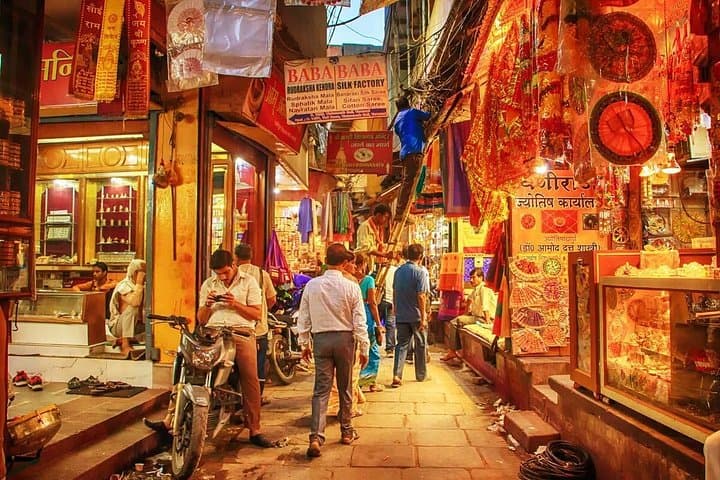
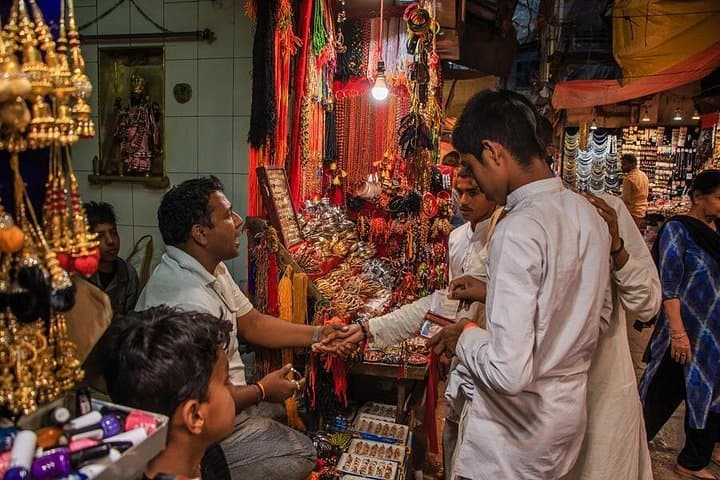
You step off the main road and into a maze of narrow gullys that funnel toward the Ganges, sounds layering—vendors calling, temple bells, water lapping—until the river itself dares you to come closer.
Verified experiences and guided adventures in the surrounding area.
Operated by HopOn India · Varanasi, Uttar Pradesh
You step off the main road and into a maze of narrow gullys that funnel toward the Ganges, sounds layering—vendors calling, temple bells, water lapping—until the river itself dares you to come closer.
This HopOn India audio walk threads through Banaras’s oldest lanes and the ghats where daily life and death meet visibly: flower markets spilling color onto stone steps, chaat stalls frying beside a cremation ghat, and the golden dome of Kashi Vishwanath looming amid chanting. The route covers Girija Ghar, Vishwanath Gully, Manikarnika and Scindia ghats, Sankata and Panchganga, and the flower market—an 80–115 minute self-paced circuit that mixes sensory detail with contextual narration.
Varanasi’s history stretches back millennia as a continuous urban center and religious hub on the Ganges; the city’s sandstone lanes and riverfront steps are layered with Mughal, Maratha and British-era imprints. Geologically the ghats rest on alluvial banks shaped by the river’s seasonal rise; culturally, the rituals you witness are public, unvarnished expressions of belief.
Practical guidance: download and test the HopOn India app before you arrive and save the route for offline use. Wear closed-toe shoes—the gullys are uneven and can be slick—and carry a reusable water bottle. Respect temple boundaries and photographers’ etiquette; evening aarti at Dashashwamedh draws crowds so plan timing if you prefer quieter observation. The audio format gives you local narration, background music and stops to linger—ideal for travelers who want the depth of a guide at their own pace.
You can download the HopOn India audio walk and play it offline—download the route and audio files before you start to avoid connectivity issues.
Yes—physical difficulty is low, but expect narrow lanes and steps; move at a comfortable pace and avoid peak crowd times.
Yes, the narration explains cultural context and where to observe versus where entry is restricted; follow on-screen notes in the app as well.
Yes—the self-guided format lets you pause, linger at a ghat or a stall, and resume the narration when ready within the app’s validity period.
HopOn India operates guided outdoor trips and adventures with an emphasis on safety, stewardship, and memorable experiences.


You step off the main road and into a maze of narrow gullys that funnel toward the Ganges, sounds layering—vendors calling, temple bells, water lapping—until the river itself dares you to come closer.
You step off the main road and into a maze of narrow gullys that funnel toward the Ganges, sounds layering—vendors calling, temple bells, water lapping—until the river itself dares you to come closer.
This HopOn India audio walk threads through Banaras’s oldest lanes and the ghats where daily life and death meet visibly: flower markets spilling color onto stone steps, chaat stalls frying beside a cremation ghat, and the golden dome of Kashi Vishwanath looming amid chanting. The route covers Girija Ghar, Vishwanath Gully, Manikarnika and Scindia ghats, Sankata and Panchganga, and the flower market—an 80–115 minute self-paced circuit that mixes sensory detail with contextual narration.
Varanasi’s history stretches back millennia as a continuous urban center and religious hub on the Ganges; the city’s sandstone lanes and riverfront steps are layered with Mughal, Maratha and British-era imprints. Geologically the ghats rest on alluvial banks shaped by the river’s seasonal rise; culturally, the rituals you witness are public, unvarnished expressions of belief.
Practical guidance: download and test the HopOn India app before you arrive and save the route for offline use. Wear closed-toe shoes—the gullys are uneven and can be slick—and carry a reusable water bottle. Respect temple boundaries and photographers’ etiquette; evening aarti at Dashashwamedh draws crowds so plan timing if you prefer quieter observation. The audio format gives you local narration, background music and stops to linger—ideal for travelers who want the depth of a guide at their own pace.