THE ADVENTURE COLLECTIVE® · Independent discovery and booking for outdoor travel

A mountain road leads to the stepped rice fields of Ifugao — experience Hapao’s hot springs, Hiwang viewpoints and centuries of rice-culture on a multi-day Manila-to-Banaue tour. Practical tips for hiking, timing and local customs included.
A mountain road leads to the stepped rice fields of Ifugao — experience Hapao’s hot springs, Hiwang viewpoints and centuries of rice-culture on a multi-day Manila-to-Banaue tour. Practical tips for hiking, timing and local customs included.
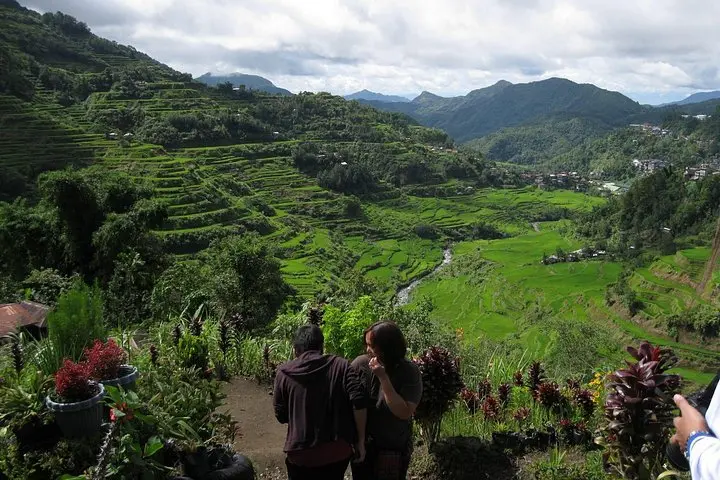
You round a final hairpin and the terraces open — stepped fields catching the afternoon like a series of shallow mirrors. The driver eases the van into a layby; wind moves through tall grasses and the terraces seem to breathe. This is Ifugao: earth shaped by hands over generations, a landscape that asks you to slow down.
Verified experiences and guided adventures in the surrounding area.
Operated by Tourist Driver Manila · Banaue, Ifugao
You round a final hairpin and the terraces open — stepped fields catching the afternoon like a series of shallow mirrors. The driver eases the van into a layby; wind moves through tall grasses and the terraces seem to breathe. This is Ifugao: earth shaped by hands over generations, a landscape that asks you to slow down.
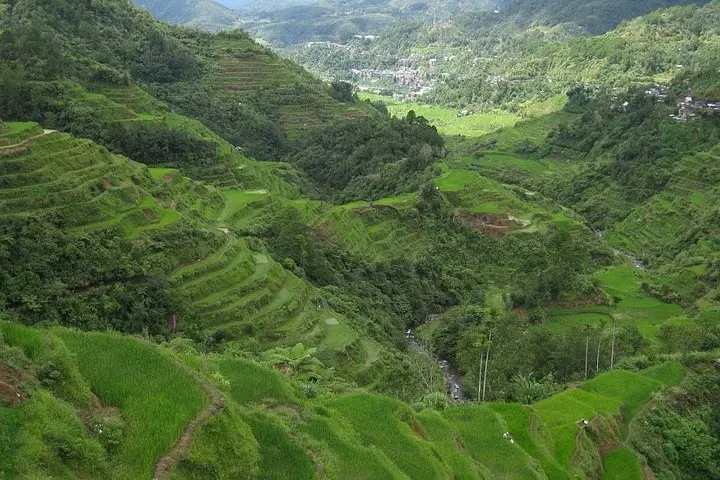
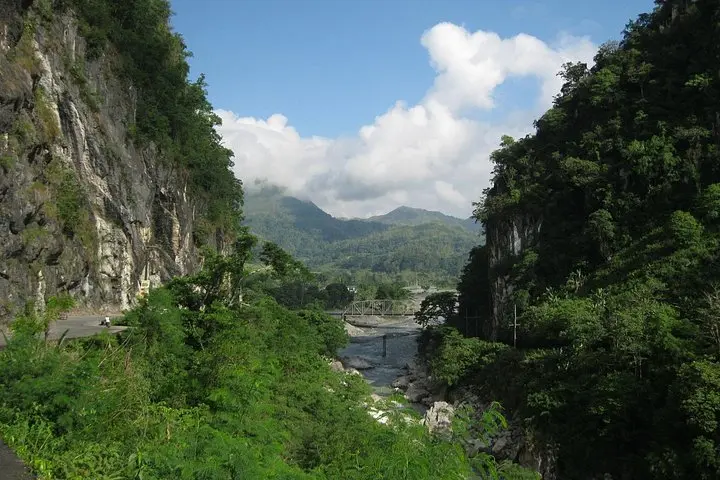
The Banaue and Hapao terraces were carved into volcanic slopes by the Ifugao people centuries ago and remain living agricultural systems. Geologically, the hills are composed of volcanic and sedimentary layers uplifted by tectonic forces, producing steep ridges, narrow valleys and natural hot springs fed by groundwater heated along faults. Culturally, visits pass through small villages where rice cultivation and wood-carved heritage still mark daily life.
Practically: the outing is a multi-day road route from Manila with long driving segments; plan for 3 days including travel. Expect paved but narrow mountain roads, short hikes (the hot-spring trail is roughly 1–1.5 hours each way on uneven stone and dirt), and limited services outside Banaue town. Bring cash for small village stalls, modest footwear for wet terraces, and swimwear for the natural hot springs.
Timing matters — morning light gives the best terrace definition; rain makes paths slick. Respect fields, stay on trails, and ask permission before photographing homesteads. Hydrate on the climb, pack sun protection, and use the driver’s local knowledge to get the best viewpoints and cultural context.
The trail to the hot spring is roughly 1–1.5 hours each way over uneven stone and dirt; pace depends on fitness and stops for views.
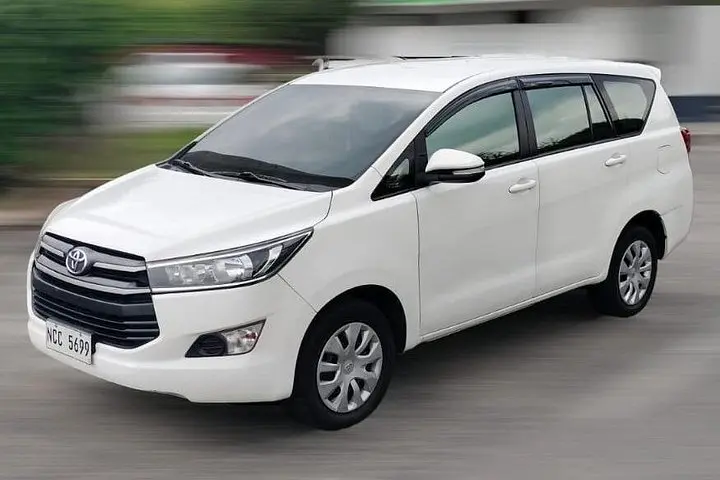
This booking provides private transportation and a Manila tourist driver; travel time to Banaue is long (overnight driving is common) so expect multi-day routing.
There are basic restroom and food stops en route and in Banaue town, but services are limited in villages—carry tissues and small cash for purchases.
This trip is not recommended for pregnant travelers or those with serious spinal or cardiovascular conditions due to long drives and moderate hiking.
Tourist Driver Manila operates guided outdoor trips and adventures with an emphasis on safety, stewardship, and memorable experiences.
You round a final hairpin and the terraces open — stepped fields catching the afternoon like a series of shallow mirrors. The driver eases the van into a layby; wind moves through tall grasses and the terraces seem to breathe. This is Ifugao: earth shaped by hands over generations, a landscape that asks you to slow down.
You round a final hairpin and the terraces open — stepped fields catching the afternoon like a series of shallow mirrors. The driver eases the van into a layby; wind moves through tall grasses and the terraces seem to breathe. This is Ifugao: earth shaped by hands over generations, a landscape that asks you to slow down.
The Banaue and Hapao terraces were carved into volcanic slopes by the Ifugao people centuries ago and remain living agricultural systems. Geologically, the hills are composed of volcanic and sedimentary layers uplifted by tectonic forces, producing steep ridges, narrow valleys and natural hot springs fed by groundwater heated along faults. Culturally, visits pass through small villages where rice cultivation and wood-carved heritage still mark daily life.
Practically: the outing is a multi-day road route from Manila with long driving segments; plan for 3 days including travel. Expect paved but narrow mountain roads, short hikes (the hot-spring trail is roughly 1–1.5 hours each way on uneven stone and dirt), and limited services outside Banaue town. Bring cash for small village stalls, modest footwear for wet terraces, and swimwear for the natural hot springs.
Timing matters — morning light gives the best terrace definition; rain makes paths slick. Respect fields, stay on trails, and ask permission before photographing homesteads. Hydrate on the climb, pack sun protection, and use the driver’s local knowledge to get the best viewpoints and cultural context.