THE ADVENTURE COLLECTIVE® · Independent discovery and booking for outdoor travel

Explore Siddha Gufa—Nepal’s largest cave system—on a 2-day trip from Kathmandu with a Bandipur homestay. Expect muddy ridgelines, dramatic dripstone chambers and local pilgrimage rituals inside the cave.
Explore Siddha Gufa—Nepal’s largest cave system—on a 2-day trip from Kathmandu with a Bandipur homestay. Expect muddy ridgelines, dramatic dripstone chambers and local pilgrimage rituals inside the cave.
The road from Kathmandu eases into green ridgelines and the Trishuli River’s voice grows louder until Bandipur appears—a low, compact town perched above the highway. From the bazaar you climb: a dirt throat that turns to rock stairs, ropes and narrow switchbacks. Rain will make the path slick; sun will bake the steps. At the cave mouth the air changes—cool, damp, and populated by wings. Inside Siddha Gufa the darkness is interrupted only by torch beams picking out columns and curtains of flowstone; water still shapes the rock, dropping bead by bead into ancient basins.
Verified experiences and guided adventures in the surrounding area.
Operated by Osho world Adventure · Bandipur, Gandaki Province
The road from Kathmandu eases into green ridgelines and the Trishuli River’s voice grows louder until Bandipur appears—a low, compact town perched above the highway. From the bazaar you climb: a dirt throat that turns to rock stairs, ropes and narrow switchbacks. Rain will make the path slick; sun will bake the steps. At the cave mouth the air changes—cool, damp, and populated by wings. Inside Siddha Gufa the darkness is interrupted only by torch beams picking out columns and curtains of flowstone; water still shapes the rock, dropping bead by bead into ancient basins.
Siddha Gufa is celebrated locally as Nepal’s largest cave, with reported depth around 437 m and chambers reaching roughly 50 m high; it’s also a site of spiritual significance where pilgrims remember the Siddha baba’s enlightenment. Geologically the cave is a karst system—limestone dissolved and sculpted by water over millennia—so expect stalactites, stalagmites and thin drip curtains. Bandipur itself preserves Newar and Magar cultural traces in its architecture and homestays, offering a chance to sample hill cuisine and morning views of the higher Himalaya on clear days.
Practical guidance: the tour is typically run over two days with a 6–7 hour drive to Bandipur on day one and a short-but-slippery hike to the cave on day two (45–90 minutes each way depending on route and mud). A local guide and cave entrance permit are included; bring a reliable headlamp, sturdy grippy boots, and a spare battery. Stay hydrated and move deliberately on wet stone. Respect the cave’s formations and any religious activity inside—silence and small groups preserve both the geology and local practice. For tighter schedules use the Bimalnagar approach (45 minutes) instead of the Bandipur trail.
From Bandipur the trail typically takes about 1–1.5 hours each way on muddy or rocky surfaces; from Bimalnagar the ascent can be as short as 45 minutes.
Yes—local guides are recommended and the cave entrance fee/permit and guide hiring fee are normally handled as part of the tour.
Yes—bats are common in the cave; remain quiet and avoid shining lights directly at them. Outside you may encounter monkeys and local birdlife.
Heavy rain increases risk from slippery approaches and inside the cave; operators may adjust timing but plan for wet footing during monsoon months.
Osho world Adventure operates guided outdoor trips and adventures with an emphasis on safety, stewardship, and memorable experiences.
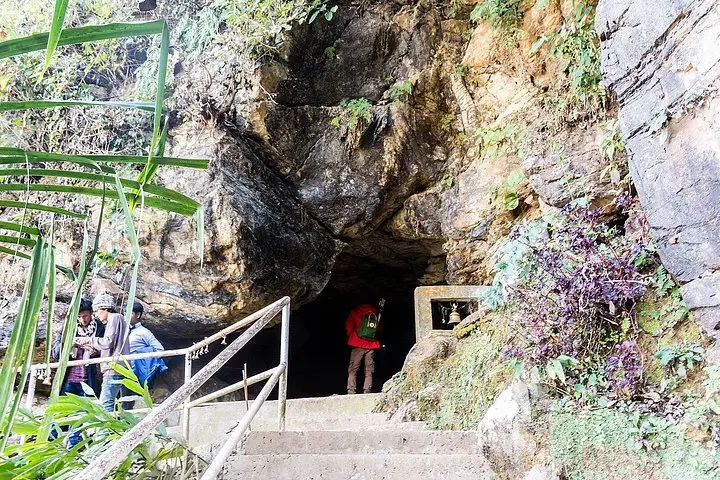
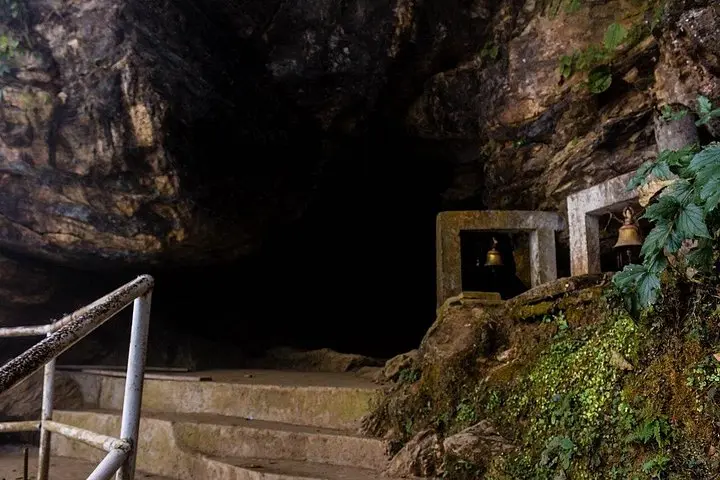
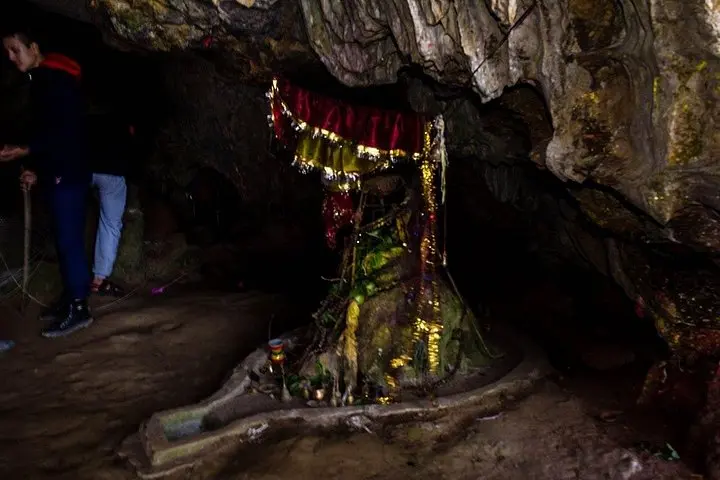
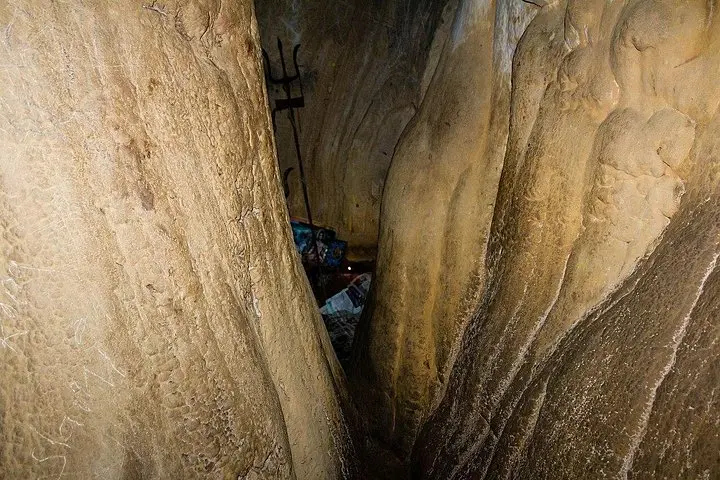
The road from Kathmandu eases into green ridgelines and the Trishuli River’s voice grows louder until Bandipur appears—a low, compact town perched above the highway. From the bazaar you climb: a dirt throat that turns to rock stairs, ropes and narrow switchbacks. Rain will make the path slick; sun will bake the steps. At the cave mouth the air changes—cool, damp, and populated by wings. Inside Siddha Gufa the darkness is interrupted only by torch beams picking out columns and curtains of flowstone; water still shapes the rock, dropping bead by bead into ancient basins.
The road from Kathmandu eases into green ridgelines and the Trishuli River’s voice grows louder until Bandipur appears—a low, compact town perched above the highway. From the bazaar you climb: a dirt throat that turns to rock stairs, ropes and narrow switchbacks. Rain will make the path slick; sun will bake the steps. At the cave mouth the air changes—cool, damp, and populated by wings. Inside Siddha Gufa the darkness is interrupted only by torch beams picking out columns and curtains of flowstone; water still shapes the rock, dropping bead by bead into ancient basins.
Siddha Gufa is celebrated locally as Nepal’s largest cave, with reported depth around 437 m and chambers reaching roughly 50 m high; it’s also a site of spiritual significance where pilgrims remember the Siddha baba’s enlightenment. Geologically the cave is a karst system—limestone dissolved and sculpted by water over millennia—so expect stalactites, stalagmites and thin drip curtains. Bandipur itself preserves Newar and Magar cultural traces in its architecture and homestays, offering a chance to sample hill cuisine and morning views of the higher Himalaya on clear days.
Practical guidance: the tour is typically run over two days with a 6–7 hour drive to Bandipur on day one and a short-but-slippery hike to the cave on day two (45–90 minutes each way depending on route and mud). A local guide and cave entrance permit are included; bring a reliable headlamp, sturdy grippy boots, and a spare battery. Stay hydrated and move deliberately on wet stone. Respect the cave’s formations and any religious activity inside—silence and small groups preserve both the geology and local practice. For tighter schedules use the Bimalnagar approach (45 minutes) instead of the Bandipur trail.