THE ADVENTURE COLLECTIVE® · Independent discovery and booking for outdoor travel

A compact, two-hour walking tour that connects Plaza Cikapundung’s revived riverfront with the bustle of Jl. ABC and historic Pasar Baru. Ideal for travelers wanting a grounded, sensory introduction to Bandung’s markets, food, and cultural corners.
A compact, two-hour walking tour that connects Plaza Cikapundung’s revived riverfront with the bustle of Jl. ABC and historic Pasar Baru. Ideal for travelers wanting a grounded, sensory introduction to Bandung’s markets, food, and cultural corners.
Late-morning light softens the concrete edges of Plaza Cikapundung as the river murmurs past—calling walkers to the wide promenade, vendors to their carts, and musicians to a shaded bench. The Bandung Cultural Walk begins here: a two-hour circuit that threads green riverfront paths into the supply-and-savor chaos of Jl. ABC, the dense stalls of Pasar Baru, and the quieter, temple-lined lanes of Jl. Kelenteng.
Verified experiences and guided adventures in the surrounding area.
Operated by Opatrip.com Indonesia · Bandung, West Java
Late-morning light softens the concrete edges of Plaza Cikapundung as the river murmurs past—calling walkers to the wide promenade, vendors to their carts, and musicians to a shaded bench. The Bandung Cultural Walk begins here: a two-hour circuit that threads green riverfront paths into the supply-and-savor chaos of Jl. ABC, the dense stalls of Pasar Baru, and the quieter, temple-lined lanes of Jl. Kelenteng.
Bandung’s streets carry layers of history. Pasar Baru dates back to the early 20th century when the city expanded under Dutch colonial trade routes; Jl. Kelenteng reflects the long-standing Chinese-Indonesian community influencing local commerce and festivals. Geologically, Bandung sits on an elevated plain within an old volcanic caldera, giving the city a bowl-like feel and cooler microclimate compared with coastal Java.
Expect a mix of riverside greenery, mosaic-tiled sidewalks, crowded alleys, and the smell of fried tempeh and roasting coffee. The guide points out textile bargains, traditional snacks, and temple facades while explaining market etiquette and bargaining norms.
Practical guidance: wear broken-in walking shoes and a light rain layer (Bandung weather can change fast). Bring small notes and a secure pouch for purchases—many stalls prefer cash. Start in the morning to avoid peak crowds and the midday sun, hydrate frequently, and leave space in your schedule for a quick kopitiam coffee stop. Public transport and ojek rides are nearby for a relaxed return.
This walk balances sensory urban immersion with manageable logistics—an efficient way to meet Bandung’s culture, commerce, and riverfront revival on foot.
The tour is about two hours and covers riverfront promenades, market lanes, and temple-adjacent streets at a relaxed pace.
Yes—it's classified as easy and suitable for most ages, though participants should be comfortable walking on uneven surfaces for two hours.
Pasar Baru and small stalls are primarily cash-based (Indonesian rupiah); bring small denominations for purchases and bargaining.
This tour offers instant confirmation and private bookings; early booking helps secure preferred times, especially mornings.
Opatrip.com Indonesia operates guided outdoor trips and adventures with an emphasis on safety, stewardship, and memorable experiences.

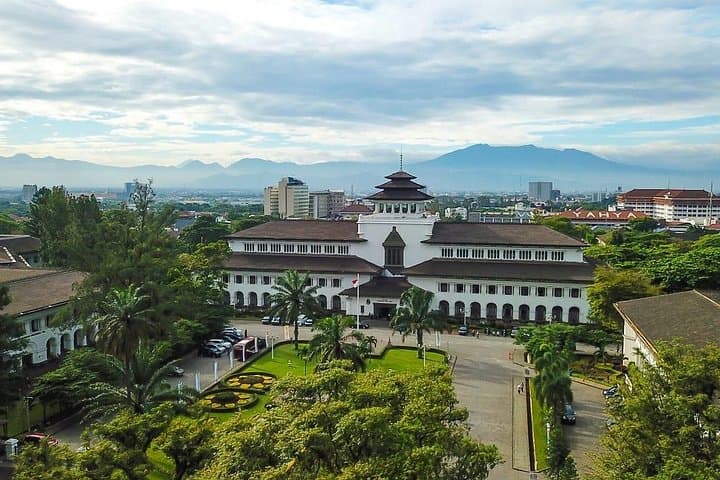

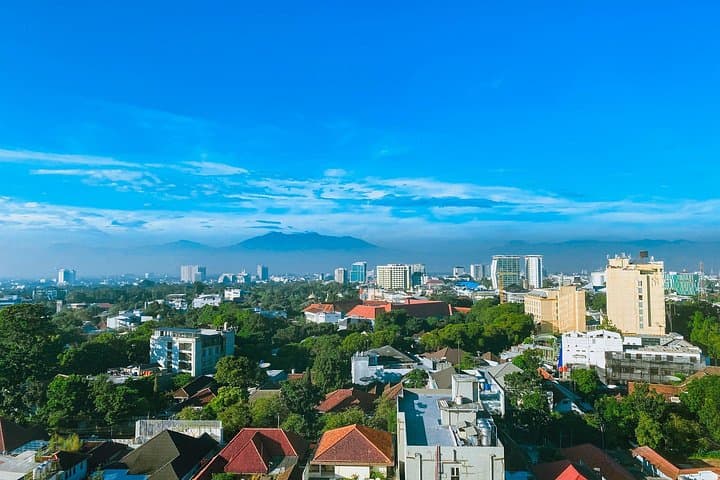
Late-morning light softens the concrete edges of Plaza Cikapundung as the river murmurs past—calling walkers to the wide promenade, vendors to their carts, and musicians to a shaded bench. The Bandung Cultural Walk begins here: a two-hour circuit that threads green riverfront paths into the supply-and-savor chaos of Jl. ABC, the dense stalls of Pasar Baru, and the quieter, temple-lined lanes of Jl. Kelenteng.
Late-morning light softens the concrete edges of Plaza Cikapundung as the river murmurs past—calling walkers to the wide promenade, vendors to their carts, and musicians to a shaded bench. The Bandung Cultural Walk begins here: a two-hour circuit that threads green riverfront paths into the supply-and-savor chaos of Jl. ABC, the dense stalls of Pasar Baru, and the quieter, temple-lined lanes of Jl. Kelenteng.
Bandung’s streets carry layers of history. Pasar Baru dates back to the early 20th century when the city expanded under Dutch colonial trade routes; Jl. Kelenteng reflects the long-standing Chinese-Indonesian community influencing local commerce and festivals. Geologically, Bandung sits on an elevated plain within an old volcanic caldera, giving the city a bowl-like feel and cooler microclimate compared with coastal Java.
Expect a mix of riverside greenery, mosaic-tiled sidewalks, crowded alleys, and the smell of fried tempeh and roasting coffee. The guide points out textile bargains, traditional snacks, and temple facades while explaining market etiquette and bargaining norms.
Practical guidance: wear broken-in walking shoes and a light rain layer (Bandung weather can change fast). Bring small notes and a secure pouch for purchases—many stalls prefer cash. Start in the morning to avoid peak crowds and the midday sun, hydrate frequently, and leave space in your schedule for a quick kopitiam coffee stop. Public transport and ojek rides are nearby for a relaxed return.
This walk balances sensory urban immersion with manageable logistics—an efficient way to meet Bandung’s culture, commerce, and riverfront revival on foot.