THE ADVENTURE COLLECTIVE® · Independent discovery and booking for outdoor travel

Explore geothermal pools and tucked-away waterfalls on a three-hour guided walk in Banff National Park. Expect mixed terrain, interpretive guidance, and dramatic valley views with practical tips for timing and gear.
Explore geothermal pools and tucked-away waterfalls on a three-hour guided walk in Banff National Park. Expect mixed terrain, interpretive guidance, and dramatic valley views with practical tips for timing and gear.
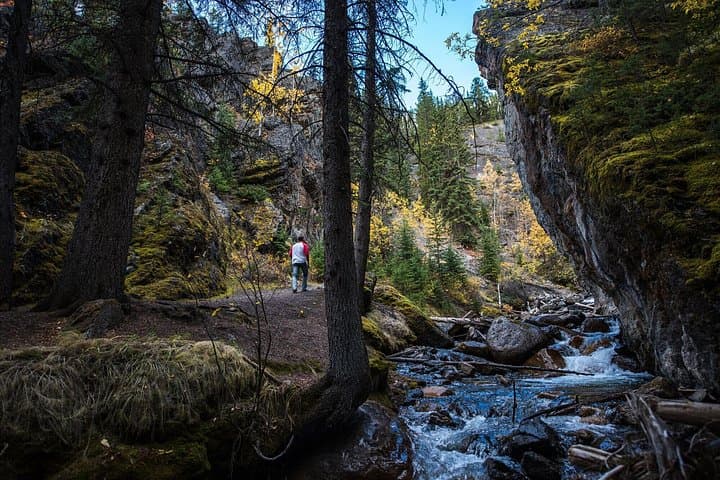
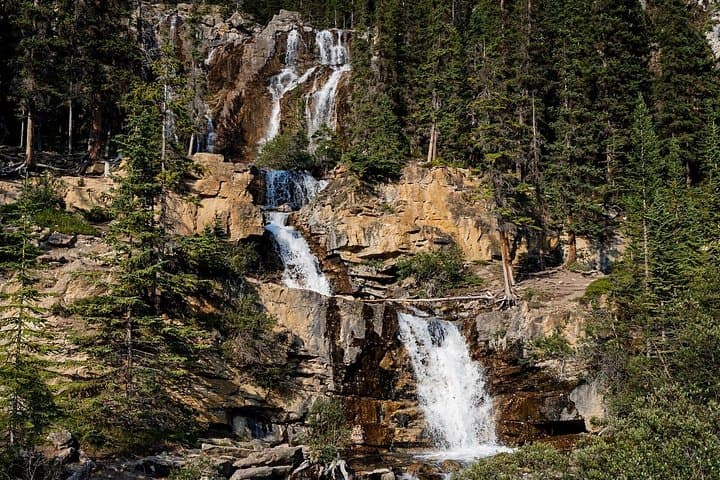
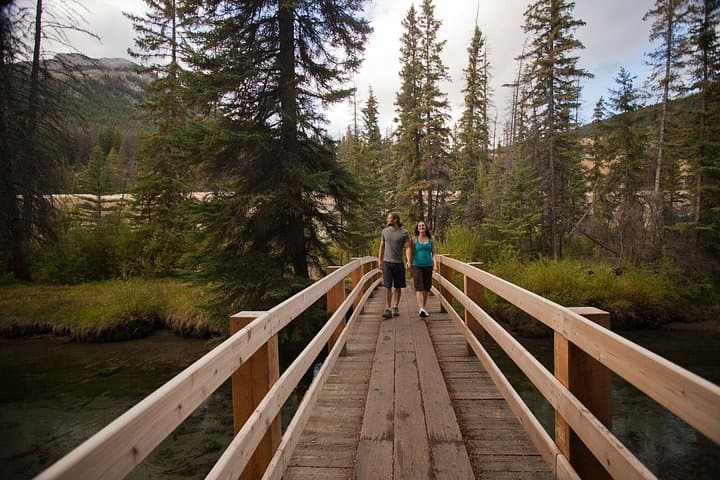
Early light slices between ridgelines as the guide leads the group onto a mixed forest path — steam rising from warm pools tucked into bedrock, water singing down shaded channels. The walk threads geothermal features with cascading falls, offering close but safe views of thermal vents and short, steep steps carved into ancient glacial rock.
Verified experiences and guided adventures in the surrounding area.
Operated by Banff & Canmore Tours · Banff, Alberta
Early light slices between ridgelines as the guide leads the group onto a mixed forest path — steam rising from warm pools tucked into bedrock, water singing down shaded channels. The walk threads geothermal features with cascading falls, offering close but safe views of thermal vents and short, steep steps carved into ancient glacial rock.
The area sits inside Banff National Park, Canada’s first national park (established 1885). Geologically, the springs are expressions of deep groundwater warmed by the earth, surfacing through fractured limestone and older terraces. Culturally, these waters have long been landmarks for Indigenous peoples and later visitors; today the route highlights both natural history and modern conservation efforts.
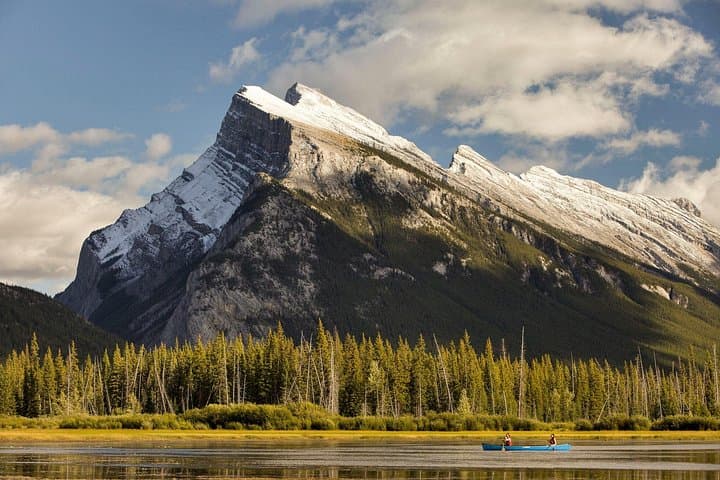
Views alternate between tight, fern-lined gullies and open outlooks onto valley floors and mountain faces. The falls roar after spring melt; late summer reduces flow but increases wildflower color. Guides carry bear spray and first-aid kits, interpret flora and fauna, and point out safe observation points rather than recommending entry into thermal pools.
Practical guidance: plan for roughly 12 km (7.5 miles) round-trip with about 155 m (508 ft) of ascent over varied terrain; some sections are uneven and briefly steep. Wear sturdy hiking shoes, pack water and layers, and allow about three hours. Start early to avoid crowds and to see waterfalls at their fullest. Respect signage around geothermal features — the ground can be fragile and dangerously hot.
No — the tour provides safe viewing of geothermal features; public soaking is available only at established facilities such as Banff Upper Hot Springs which are separate from natural thermal vents.
The route is rated easy to moderate; many families and active seniors participate, but it’s not suitable for anyone with serious mobility issues or recent surgery.
There are short portions with steep, uneven rocky steps; most participants handle them with care and occasional rest breaks.
Expect elk and marmots commonly; guides carry bear spray and follow park protocols to minimize encounters and keep groups safe.
Banff & Canmore Tours operates guided outdoor trips and adventures with an emphasis on safety, stewardship, and memorable experiences.
Early light slices between ridgelines as the guide leads the group onto a mixed forest path — steam rising from warm pools tucked into bedrock, water singing down shaded channels. The walk threads geothermal features with cascading falls, offering close but safe views of thermal vents and short, steep steps carved into ancient glacial rock.
Early light slices between ridgelines as the guide leads the group onto a mixed forest path — steam rising from warm pools tucked into bedrock, water singing down shaded channels. The walk threads geothermal features with cascading falls, offering close but safe views of thermal vents and short, steep steps carved into ancient glacial rock.
The area sits inside Banff National Park, Canada’s first national park (established 1885). Geologically, the springs are expressions of deep groundwater warmed by the earth, surfacing through fractured limestone and older terraces. Culturally, these waters have long been landmarks for Indigenous peoples and later visitors; today the route highlights both natural history and modern conservation efforts.
Views alternate between tight, fern-lined gullies and open outlooks onto valley floors and mountain faces. The falls roar after spring melt; late summer reduces flow but increases wildflower color. Guides carry bear spray and first-aid kits, interpret flora and fauna, and point out safe observation points rather than recommending entry into thermal pools.
Practical guidance: plan for roughly 12 km (7.5 miles) round-trip with about 155 m (508 ft) of ascent over varied terrain; some sections are uneven and briefly steep. Wear sturdy hiking shoes, pack water and layers, and allow about three hours. Start early to avoid crowds and to see waterfalls at their fullest. Respect signage around geothermal features — the ground can be fragile and dangerously hot.