THE ADVENTURE COLLECTIVE® · Independent discovery and booking for outdoor travel

Explore Banff's edible and medicinal flora on a focused 2-hour nature walk. Learn identification, traditional uses, and basic mountain survival skills while walking easy trails in Banff National Park.
Explore Banff's edible and medicinal flora on a focused 2-hour nature walk. Learn identification, traditional uses, and basic mountain survival skills while walking easy trails in Banff National Park.
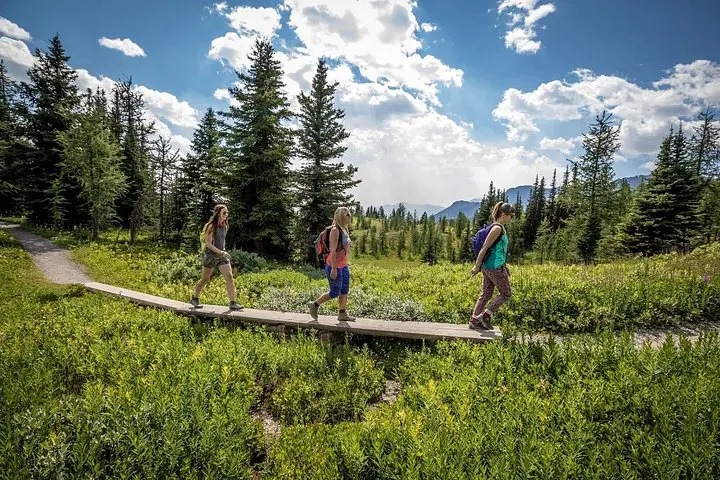
Step off the boardwalk into crisp mountain air and a smell of pine that seems to pull your attention uphill.
Verified experiences and guided adventures in the surrounding area.
Operated by Banff & Canmore Tours · Banff, Alberta
Step off the boardwalk into crisp mountain air and a smell of pine that seems to pull your attention uphill.
On this two-hour walk around Banff National Park you'll move through subalpine forest and open riparian edges where wild herbs and berries push through the duff. Guides point out willow and yarrow that once comforted sore muscles, show how spruce tips were chewed for vitamin C, and demonstrate simple shelter and firecraft skills that shaped local mountain survival.
The landscape itself has a story: glaciers carved the Bow Valley, leaving terraces and meadows where nutrient-rich plants thrive. Indigenous knowledge—especially from the Stoney Nakoda and other Treaty 7 peoples—underpins much of the plant lore, and the trail skirts terrain shaped by early railway and park history from the late 19th century.
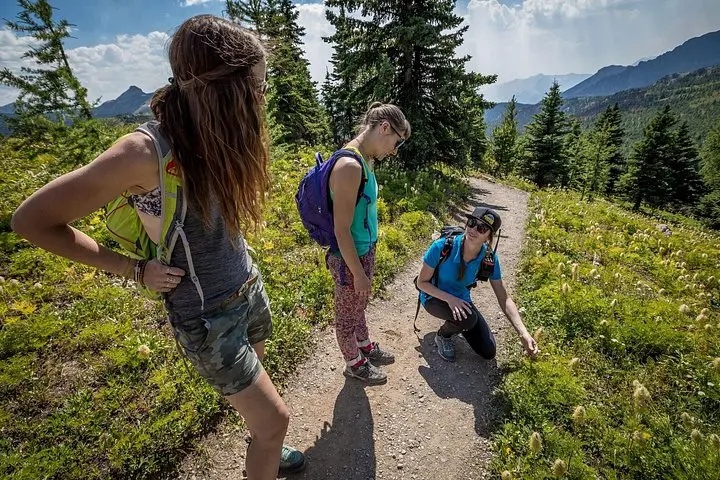
Expect hands-on identification, short interpretive stops, and demonstrations rather than long hikes; the route is chosen for plant diversity and easy access. The guide will emphasize that collecting is illegal within the park boundaries, so learning replaces harvesting.
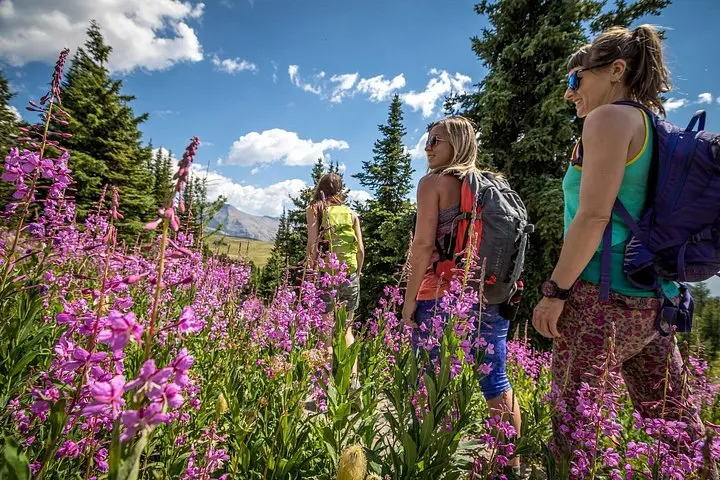
Practical tips: dress in layers for rapid temperature swings, wear closed-toe shoes for uneven ground, and bring a small notebook or camera. Hydrate before you start; the altitude pulls moisture from the body faster than you’ll notice. If you’re aiming for peak wildflower displays, plan for late June to early August, but snow can linger into summer in shaded pockets.
This walk blends natural history, safety skills, and botanical science—ideal for curious hikers who want to leave with identification skills and a clearer sense of how people have lived with these mountains.
No—collecting or consuming plants is prohibited inside Banff National Park; guides will point out safe identification practices without encouraging ingestion.
Yes—children can join if supervised; the pace is gentle but young kids should be able to walk short distances and stay with the group.
Guides maintain a safe distance; if wildlife is present the group will observe from far enough away to avoid disturbance and follow park regulations.
No—walks are designed for beginners and focus on practical ID, traditional uses, and basic survival skills taught by the guide.
Banff & Canmore Tours operates guided outdoor trips and adventures with an emphasis on safety, stewardship, and memorable experiences.
Step off the boardwalk into crisp mountain air and a smell of pine that seems to pull your attention uphill.
Step off the boardwalk into crisp mountain air and a smell of pine that seems to pull your attention uphill.
On this two-hour walk around Banff National Park you'll move through subalpine forest and open riparian edges where wild herbs and berries push through the duff. Guides point out willow and yarrow that once comforted sore muscles, show how spruce tips were chewed for vitamin C, and demonstrate simple shelter and firecraft skills that shaped local mountain survival.
The landscape itself has a story: glaciers carved the Bow Valley, leaving terraces and meadows where nutrient-rich plants thrive. Indigenous knowledge—especially from the Stoney Nakoda and other Treaty 7 peoples—underpins much of the plant lore, and the trail skirts terrain shaped by early railway and park history from the late 19th century.
Expect hands-on identification, short interpretive stops, and demonstrations rather than long hikes; the route is chosen for plant diversity and easy access. The guide will emphasize that collecting is illegal within the park boundaries, so learning replaces harvesting.
Practical tips: dress in layers for rapid temperature swings, wear closed-toe shoes for uneven ground, and bring a small notebook or camera. Hydrate before you start; the altitude pulls moisture from the body faster than you’ll notice. If you’re aiming for peak wildflower displays, plan for late June to early August, but snow can linger into summer in shaded pockets.
This walk blends natural history, safety skills, and botanical science—ideal for curious hikers who want to leave with identification skills and a clearer sense of how people have lived with these mountains.