THE ADVENTURE COLLECTIVE® · Independent discovery and booking for outdoor travel

Trade Banff Avenue crowds for a two-hour guided nature walk that navigates riverside trails, forest stands, and rocky viewpoints. Small groups and local guides make this a concise, wildlife-aware introduction to the park’s geology and history.
Trade Banff Avenue crowds for a two-hour guided nature walk that navigates riverside trails, forest stands, and rocky viewpoints. Small groups and local guides make this a concise, wildlife-aware introduction to the park’s geology and history.
You step off Banff Avenue and the town noise thins into the sound of river and pine; the Bow River seems to dare you to follow its current upstream as the peaks of the Rockies close in. On this two-hour guided nature walk you move deliberately — slow enough to catch a marmot on a rock, quick enough to reach a ridge that frames the valley.
Verified experiences and guided adventures in the surrounding area.
Operated by Banff & Canmore Tours · Banff, Alberta
You step off Banff Avenue and the town noise thins into the sound of river and pine; the Bow River seems to dare you to follow its current upstream as the peaks of the Rockies close in. On this two-hour guided nature walk you move deliberately — slow enough to catch a marmot on a rock, quick enough to reach a ridge that frames the valley.
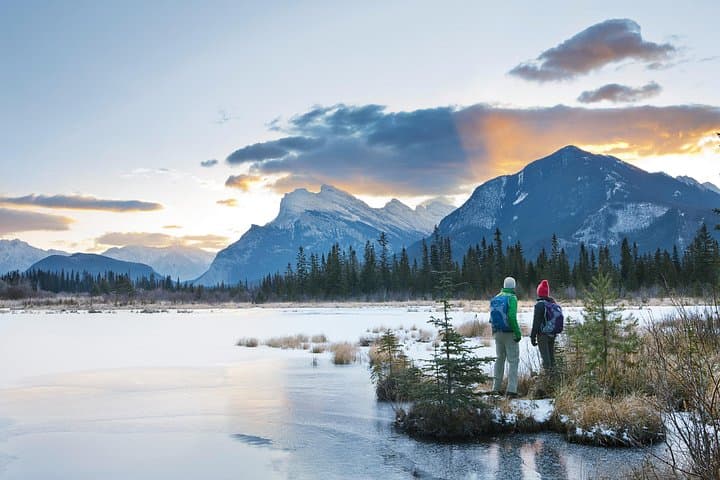
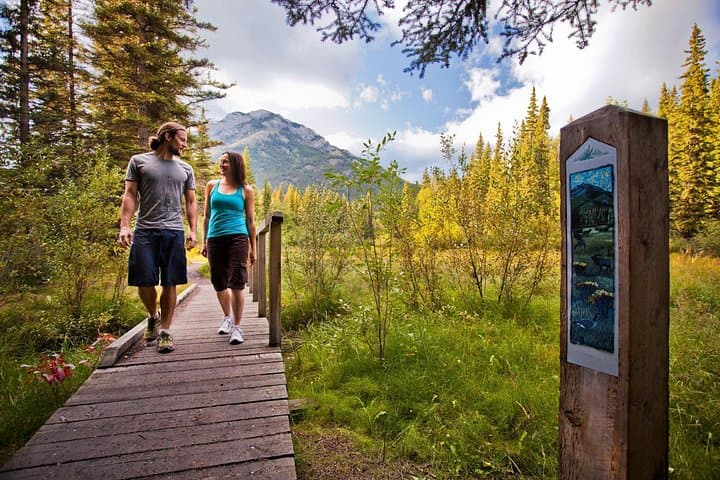
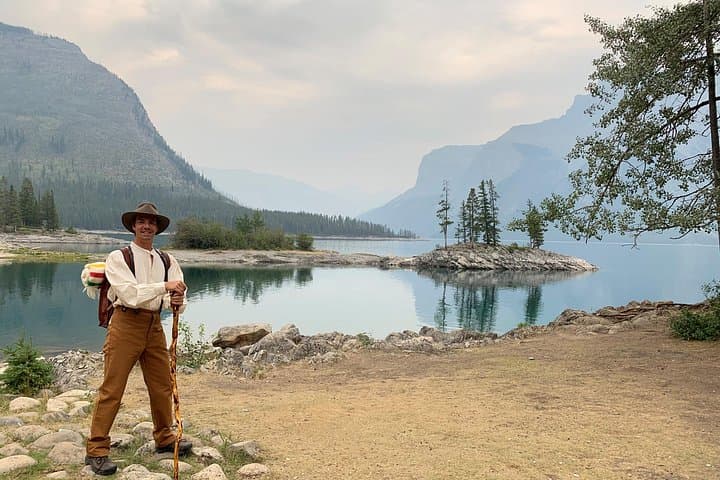
Banff National Park, Canada’s first national park established in 1885, is carved from ancient sedimentary rock uplifted by tectonic forces and sculpted by glaciers. The walk threads forested trails and open viewpoints, passing ecosystems shaped by elevation and water: montane spruce stands, willow flats along the river, and glacially polished outcrops that reveal the park’s geological story. Local guides explain Indigenous and railway-era history that turned this landscape into a protected place, and point out subtle cultural markers like historic trail alignments and interpretive signs.
Expect practical comforts and constraints: small groups (2–6) keep the experience intimate, guides carry necessary permits and basic gear, and routes intentionally avoid congested viewpoints. Wildlife encounters are possible — elk and deer are common; bears are occasional, so guides discuss safe viewing distance and bear-aware behavior.
Plan for variable mountain weather: layered clothing, sturdy footwear, water, and a camera are essentials. The walk is accessible to most fitness levels but includes uneven roots and modest grades. Morning or late-afternoon departures offer softer light and fewer crowds. With a knowledgeable guide, this short outing delivers a compact, interpretive introduction to Banff’s natural and cultural landscape.
The tour is two hours and rated easy; expect gentle grades and uneven terrain but no technical hiking.
Yes; infants must sit on an adult’s lap and guides can accommodate families, but check for age-specific policies when booking.
Guides often spot elk, deer, and smaller mammals; bear sightings are possible but less common — guides prioritize safe viewing distance.
This small-group tour meets at a designated location in Banff rather than providing hotel pickups; public transit options are nearby.
Banff & Canmore Tours operates guided outdoor trips and adventures with an emphasis on safety, stewardship, and memorable experiences.

You step off Banff Avenue and the town noise thins into the sound of river and pine; the Bow River seems to dare you to follow its current upstream as the peaks of the Rockies close in. On this two-hour guided nature walk you move deliberately — slow enough to catch a marmot on a rock, quick enough to reach a ridge that frames the valley.
You step off Banff Avenue and the town noise thins into the sound of river and pine; the Bow River seems to dare you to follow its current upstream as the peaks of the Rockies close in. On this two-hour guided nature walk you move deliberately — slow enough to catch a marmot on a rock, quick enough to reach a ridge that frames the valley.
Banff National Park, Canada’s first national park established in 1885, is carved from ancient sedimentary rock uplifted by tectonic forces and sculpted by glaciers. The walk threads forested trails and open viewpoints, passing ecosystems shaped by elevation and water: montane spruce stands, willow flats along the river, and glacially polished outcrops that reveal the park’s geological story. Local guides explain Indigenous and railway-era history that turned this landscape into a protected place, and point out subtle cultural markers like historic trail alignments and interpretive signs.
Expect practical comforts and constraints: small groups (2–6) keep the experience intimate, guides carry necessary permits and basic gear, and routes intentionally avoid congested viewpoints. Wildlife encounters are possible — elk and deer are common; bears are occasional, so guides discuss safe viewing distance and bear-aware behavior.
Plan for variable mountain weather: layered clothing, sturdy footwear, water, and a camera are essentials. The walk is accessible to most fitness levels but includes uneven roots and modest grades. Morning or late-afternoon departures offer softer light and fewer crowds. With a knowledgeable guide, this short outing delivers a compact, interpretive introduction to Banff’s natural and cultural landscape.