THE ADVENTURE COLLECTIVE® · Independent discovery and booking for outdoor travel

Taste your way through Yaowarat’s neon alleys on a 2.5-hour guided evening food walk. Sample six iconic street-food stops while learning the cultural history behind Chinatown’s dishes.
Taste your way through Yaowarat’s neon alleys on a 2.5-hour guided evening food walk. Sample six iconic street-food stops while learning the cultural history behind Chinatown’s dishes.
The air in Yaowarat at 7 p.m. tastes like caramelized sugar and chili oil. Lantern-lit awnings pull in a crowd; vendors at steel carts flip dumplings, steam rises from clay pots, and the narrow alleyways pulse with local conversations. This walking food tour drops you straight into that organized chaos—six curated stops that move from savory to sweet while your guide threads historical and cultural context through each bite.
Verified experiences and guided adventures in the surrounding area.
Operated by Food Adventure Food Tours · Bangkok, Bangkok
The air in Yaowarat at 7 p.m. tastes like caramelized sugar and chili oil. Lantern-lit awnings pull in a crowd; vendors at steel carts flip dumplings, steam rises from clay pots, and the narrow alleyways pulse with local conversations. This walking food tour drops you straight into that organized chaos—six curated stops that move from savory to sweet while your guide threads historical and cultural context through each bite.
Chinatown’s streets grew around merchants who arrived during Bangkok’s early Rattanakosin era; Yaowarat Road became a trading spine by the late 19th century. Beneath the neon, the area sits on Bangkok’s flat alluvial plain—no dramatic geology, just layered human history: temples, shophouses, and markets shaped by waves of immigrants and trade.
Culturally, food is a social ledger here: recipes passed between families, festivals that expand menus, and temples that anchor community rituals. Expect local color—shrines, herbal stalls, and the occasional traditional Chinese medicine shop—alongside the aromas. Guides often point out century-old eateries and the traders who supply them.
Practical guidance: meet at Exit 3 of MRT Wat Mangkon; the tour lasts roughly 2.5 hours and covers short walking distances on uneven pavements and crowded alleys. Bring a small carry bag for purchases, wear comfortable shoes, and come hungry—portions are small but plentiful. If you have dietary restrictions, notify the operator in advance; this route features shellfish, pork, peanuts, and dairy. The best time for photography is early in the tour when lights balance with dusk. Hydrate, carry cash for small purchases, and be prepared to step aside for motorbikes that occasionally thread the lanes.
Meet outside Exit 3 of the MRT Wat Mangkon station at ground level; this is the most reliable location due to heavy street traffic.
This route centers on traditional Chinatown dishes featuring seafood, pork, peanuts and dairy; it is not recommended for strict vegetarians, vegans, or those with those allergies unless arranged in advance.
Expect light walking on narrow, sometimes crowded streets; stroller access is possible but can be awkward during peak times and in alleys.
Infants are allowed but must sit on an adult’s lap; the tour notes it’s not recommended for people with certain health issues like heart or spinal problems.
Food Adventure Food Tours operates guided outdoor trips and adventures with an emphasis on safety, stewardship, and memorable experiences.
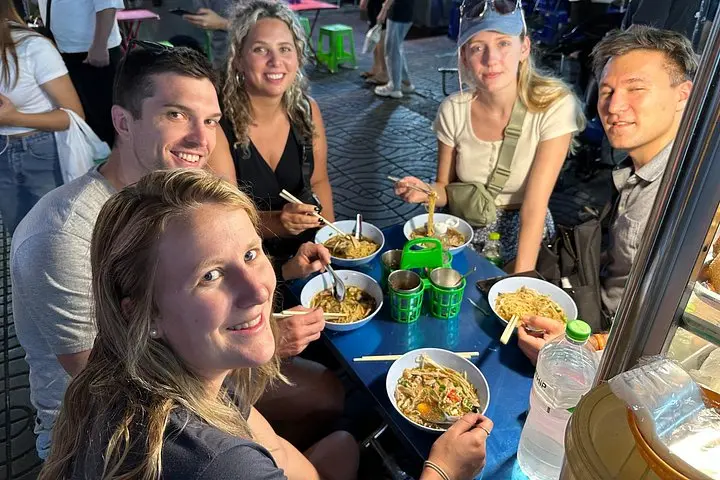
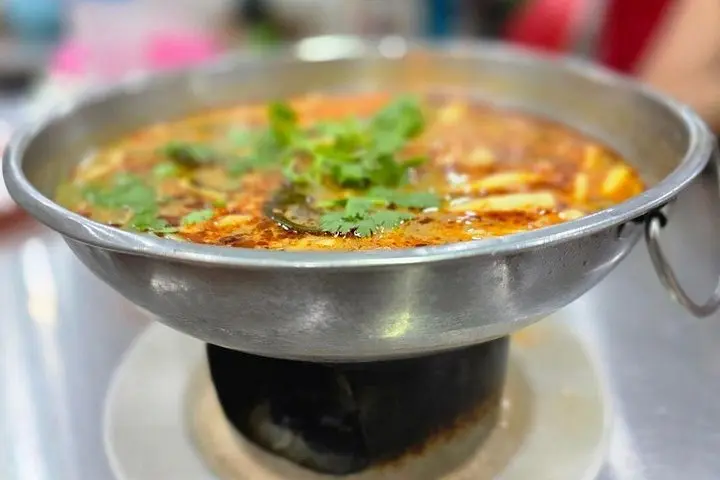
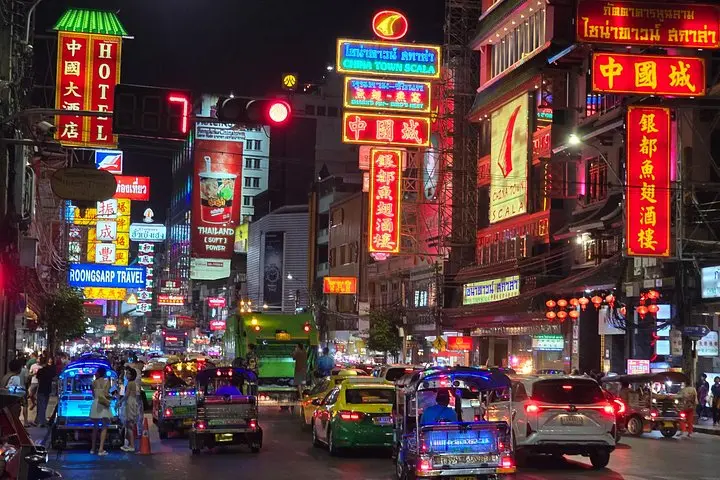
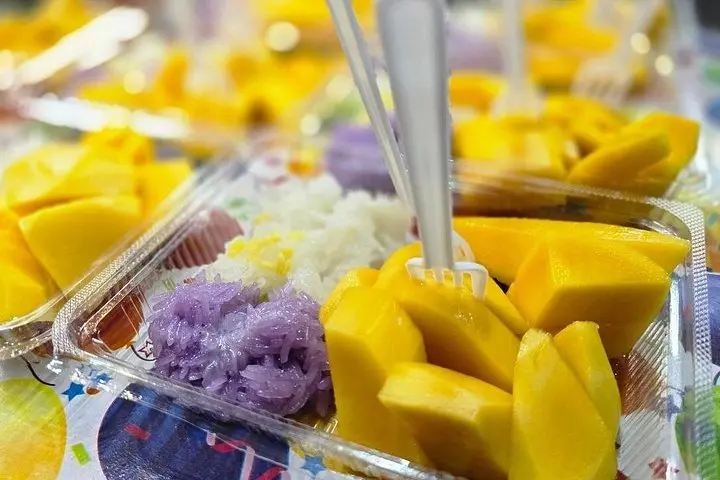
The air in Yaowarat at 7 p.m. tastes like caramelized sugar and chili oil. Lantern-lit awnings pull in a crowd; vendors at steel carts flip dumplings, steam rises from clay pots, and the narrow alleyways pulse with local conversations. This walking food tour drops you straight into that organized chaos—six curated stops that move from savory to sweet while your guide threads historical and cultural context through each bite.
The air in Yaowarat at 7 p.m. tastes like caramelized sugar and chili oil. Lantern-lit awnings pull in a crowd; vendors at steel carts flip dumplings, steam rises from clay pots, and the narrow alleyways pulse with local conversations. This walking food tour drops you straight into that organized chaos—six curated stops that move from savory to sweet while your guide threads historical and cultural context through each bite.
Chinatown’s streets grew around merchants who arrived during Bangkok’s early Rattanakosin era; Yaowarat Road became a trading spine by the late 19th century. Beneath the neon, the area sits on Bangkok’s flat alluvial plain—no dramatic geology, just layered human history: temples, shophouses, and markets shaped by waves of immigrants and trade.
Culturally, food is a social ledger here: recipes passed between families, festivals that expand menus, and temples that anchor community rituals. Expect local color—shrines, herbal stalls, and the occasional traditional Chinese medicine shop—alongside the aromas. Guides often point out century-old eateries and the traders who supply them.
Practical guidance: meet at Exit 3 of MRT Wat Mangkon; the tour lasts roughly 2.5 hours and covers short walking distances on uneven pavements and crowded alleys. Bring a small carry bag for purchases, wear comfortable shoes, and come hungry—portions are small but plentiful. If you have dietary restrictions, notify the operator in advance; this route features shellfish, pork, peanuts, and dairy. The best time for photography is early in the tour when lights balance with dusk. Hydrate, carry cash for small purchases, and be prepared to step aside for motorbikes that occasionally thread the lanes.