THE ADVENTURE COLLECTIVE® · Independent discovery and booking for outdoor travel

Explore Bangkok’s iconic temples and Chinatown on a private full-day tour that blends river ferries, markets, and three landmark wats — Wat Traimit, Wat Pho and the Marble Temple — with a local guide.
Explore Bangkok’s iconic temples and Chinatown on a private full-day tour that blends river ferries, markets, and three landmark wats — Wat Traimit, Wat Pho and the Marble Temple — with a local guide.
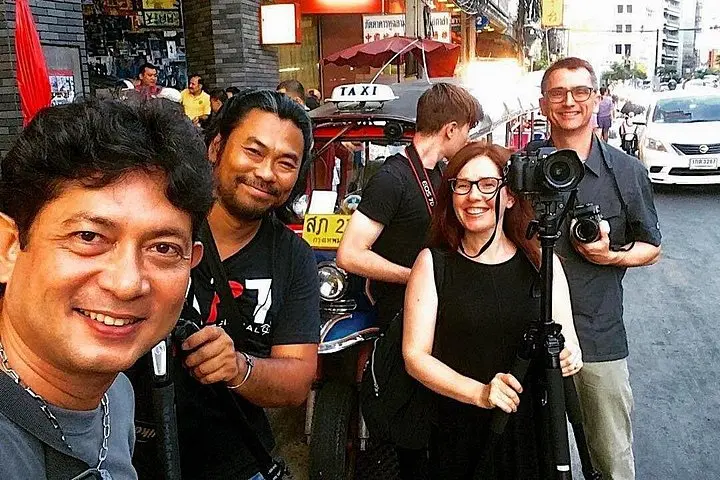
The day begins at a humid Bangkok morning where motorbikes thread between tuk-tuks and the river pushes a steady rhythm against the piers. You meet your private guide and step into a day of contrasts: gilded sanctuaries, a chaotic wholesale market, ferry crossings and quiet marble cloisters.
Verified experiences and guided adventures in the surrounding area.
Operated by Guide Bangkok Travel · Bangkok, Bangkok
The day begins at a humid Bangkok morning where motorbikes thread between tuk-tuks and the river pushes a steady rhythm against the piers. You meet your private guide and step into a day of contrasts: gilded sanctuaries, a chaotic wholesale market, ferry crossings and quiet marble cloisters.
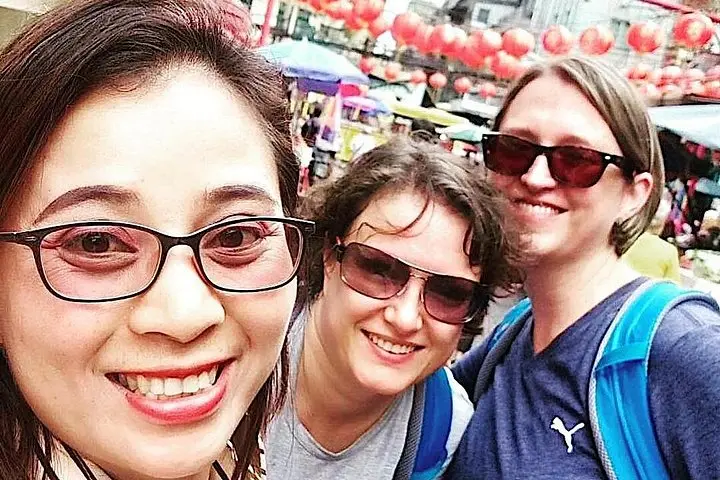
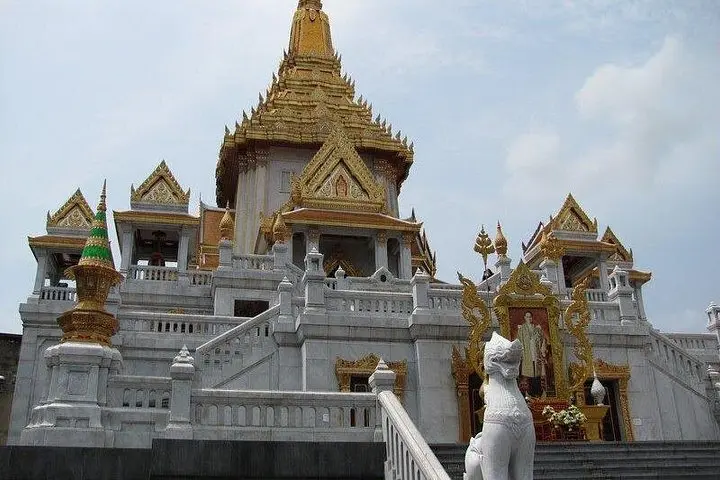
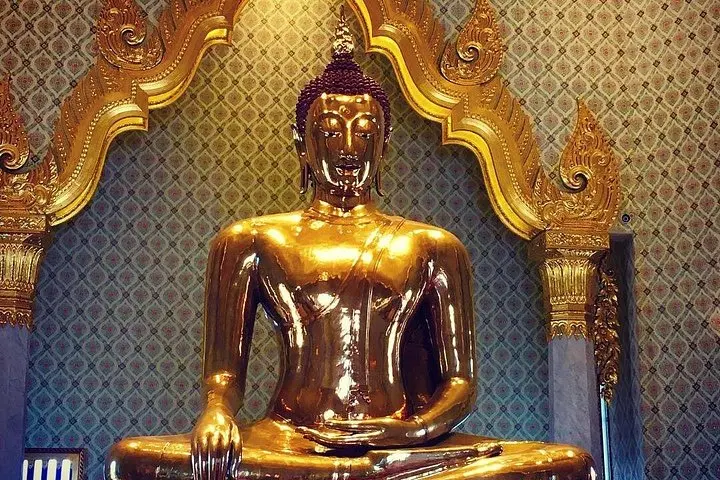
Wat Traimit greets you first — the Golden Buddha’s solid mass glints like a city treasure. From there the group walks into Yaowarat, Chinatown’s loud artery of goldsmith shops and dried seafood stalls, where negotiating taste and texture is part of the architecture. A short ferry on the Chao Phraya slips you across to the low-slung compound of Wat Pho, home to the 46-meter Reclining Buddha and the birthplace of Thai traditional massage. The tour closes at Wat Benchamabophit, the Marble Temple, whose external walls are sheathed in Italian stone and where sunlight reads differently off white columns.
These sites span Bangkok’s religious and commercial history: the city’s temples acted as schools, medical centers and record-keepers; their materials and designs reflect trade links across Southeast Asia and Europe.
Practical guide: dress conservatively (shoulders and knees covered), carry small bills for market stalls and admission, wear comfortable shoes for several hours of walking, and plan the tour in the morning or late afternoon to avoid peak heat. Expect local transport rhythms — skytrain, ferry, tuk-tuk — to set the day’s pace, and bring water and a light rain layer during monsoon months.
Yes — shoulders and knees must be covered for both men and women; remove shoes before entering temple buildings.
All public transport costs described in the itinerary are included in the tour price.
Children under 4 are free; however, the tour involves walking and busy markets, so consider child comfort and safety.
A minimum of two people is required for this private tour.
Guide Bangkok Travel operates guided outdoor trips and adventures with an emphasis on safety, stewardship, and memorable experiences.
The day begins at a humid Bangkok morning where motorbikes thread between tuk-tuks and the river pushes a steady rhythm against the piers. You meet your private guide and step into a day of contrasts: gilded sanctuaries, a chaotic wholesale market, ferry crossings and quiet marble cloisters.
The day begins at a humid Bangkok morning where motorbikes thread between tuk-tuks and the river pushes a steady rhythm against the piers. You meet your private guide and step into a day of contrasts: gilded sanctuaries, a chaotic wholesale market, ferry crossings and quiet marble cloisters.
Wat Traimit greets you first — the Golden Buddha’s solid mass glints like a city treasure. From there the group walks into Yaowarat, Chinatown’s loud artery of goldsmith shops and dried seafood stalls, where negotiating taste and texture is part of the architecture. A short ferry on the Chao Phraya slips you across to the low-slung compound of Wat Pho, home to the 46-meter Reclining Buddha and the birthplace of Thai traditional massage. The tour closes at Wat Benchamabophit, the Marble Temple, whose external walls are sheathed in Italian stone and where sunlight reads differently off white columns.
These sites span Bangkok’s religious and commercial history: the city’s temples acted as schools, medical centers and record-keepers; their materials and designs reflect trade links across Southeast Asia and Europe.
Practical guide: dress conservatively (shoulders and knees covered), carry small bills for market stalls and admission, wear comfortable shoes for several hours of walking, and plan the tour in the morning or late afternoon to avoid peak heat. Expect local transport rhythms — skytrain, ferry, tuk-tuk — to set the day’s pace, and bring water and a light rain layer during monsoon months.