THE ADVENTURE COLLECTIVE® · Independent discovery and booking for outdoor travel

Sail the Mekong, climb temple steps and walk jungle paths across 12 days from Bangkok to Vientiane. This itinerary blends Thailand’s grand temples, Ayutthaya’s ruins and Laos’ river towns with two days aboard a slow boat.
Sail the Mekong, climb temple steps and walk jungle paths across 12 days from Bangkok to Vientiane. This itinerary blends Thailand’s grand temples, Ayutthaya’s ruins and Laos’ river towns with two days aboard a slow boat.
The Mekong narrows into braided channels as the Shompoo Cruise eases out from Chiang Khong, morning light striking wooden houses and river barges in a slow, reflective rhythm. You feel the trip unfold at a river’s pace: temple bells in Bangkok, crimson-roofed stupas in Luang Prabang, and the soft hush of jungle at Kuang Si Falls.
Verified experiences and guided adventures in the surrounding area.
Operated by Travel China Guide · Bangkok, Bangkok
The Mekong narrows into braided channels as the Shompoo Cruise eases out from Chiang Khong, morning light striking wooden houses and river barges in a slow, reflective rhythm. You feel the trip unfold at a river’s pace: temple bells in Bangkok, crimson-roofed stupas in Luang Prabang, and the soft hush of jungle at Kuang Si Falls.
This 12-day route threads two capitals and a living river corridor. Bangkok's Grand Palace and Wat Phra Kaew show Siam's royal and religious center; Ayutthaya's ruins recall a prosperous 14th–18th century capital. In Laos, Luang Prabang preserves Lan Xang-era temples and French-colonial architecture; the Mekong itself shaped livelihoods here for millennia, carving terraces and ferrying rice, people, and ideas.
Geology shifts from the Chao Phraya plains to the limestone and karst outcrops that flank the Mekong; caves like Pak Ou hold thousands of Buddha figures in cool, calcified chambers. Cultural rhythms — morning tak bat almsgiving, hill-tribe handicrafts, whiskey-making at river villages — punctuate the journey.
Practical notes: plan visas and carry original passports (border crossing requires prior confirmation). The two-day slow-boat segment runs seasonally and can be bumpy; bring a small daypack for overnight Pakbeng stays. Footwear should handle city walking and short jungle trails (Kuang Si involves uneven steps). Expect hot, humid days and sudden showers: lightweight breathable clothes plus a rain shell are essential. Hydrate constantly and set aside quiet time on the river deck; this trip is as much about slow observation as sightseeing.
You must confirm visa requirements yourself before travel; the tour operator will assist at the border, but obtaining visas and ensuring passport validity is the traveler's responsibility.
The slow boat is leisurely but can be long days sitting; expect basic boarding and disembarking, plus short village walks—no technical skills required.
Carry Thai baht for Thailand days and Lao kip for Laos; major hotels accept cards but riverside markets and small vendors often need cash.
Yes—this itinerary is listed as suitable for all fitness levels, though participants should be comfortable with multiple transfers, cultural walking tours and river travel.
Travel China Guide operates guided outdoor trips and adventures with an emphasis on safety, stewardship, and memorable experiences.
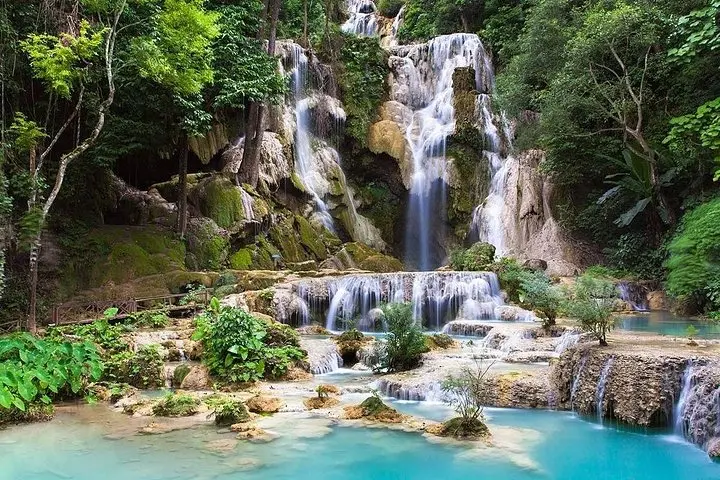
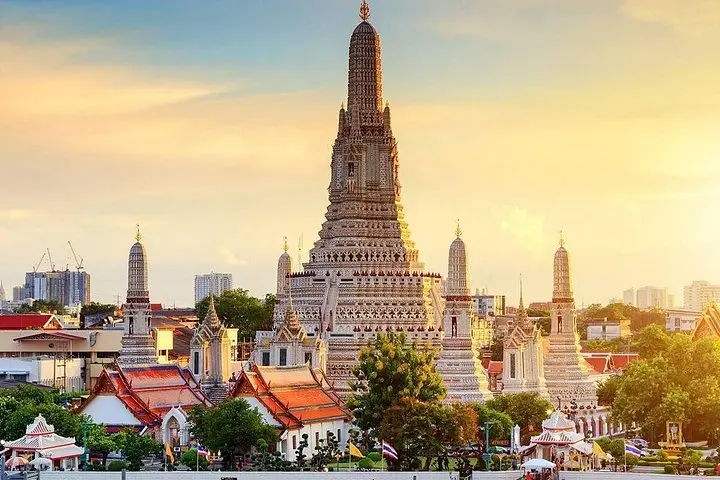
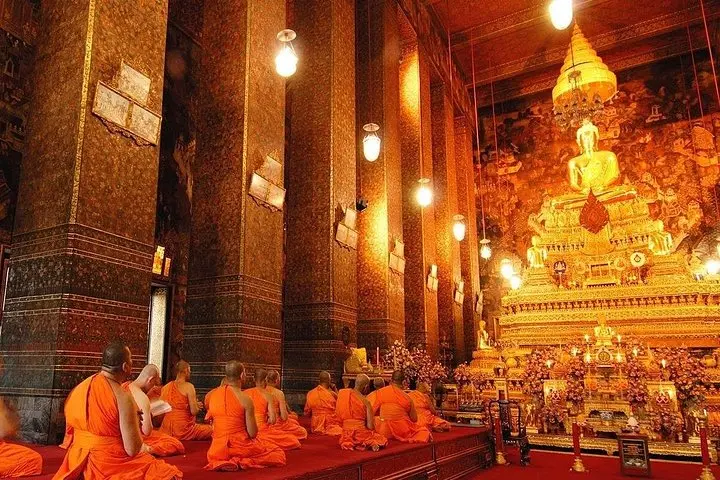
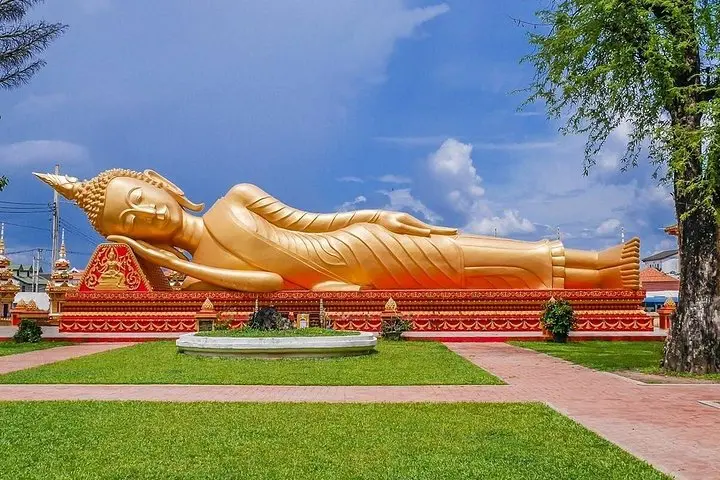
The Mekong narrows into braided channels as the Shompoo Cruise eases out from Chiang Khong, morning light striking wooden houses and river barges in a slow, reflective rhythm. You feel the trip unfold at a river’s pace: temple bells in Bangkok, crimson-roofed stupas in Luang Prabang, and the soft hush of jungle at Kuang Si Falls.
The Mekong narrows into braided channels as the Shompoo Cruise eases out from Chiang Khong, morning light striking wooden houses and river barges in a slow, reflective rhythm. You feel the trip unfold at a river’s pace: temple bells in Bangkok, crimson-roofed stupas in Luang Prabang, and the soft hush of jungle at Kuang Si Falls.
This 12-day route threads two capitals and a living river corridor. Bangkok's Grand Palace and Wat Phra Kaew show Siam's royal and religious center; Ayutthaya's ruins recall a prosperous 14th–18th century capital. In Laos, Luang Prabang preserves Lan Xang-era temples and French-colonial architecture; the Mekong itself shaped livelihoods here for millennia, carving terraces and ferrying rice, people, and ideas.
Geology shifts from the Chao Phraya plains to the limestone and karst outcrops that flank the Mekong; caves like Pak Ou hold thousands of Buddha figures in cool, calcified chambers. Cultural rhythms — morning tak bat almsgiving, hill-tribe handicrafts, whiskey-making at river villages — punctuate the journey.
Practical notes: plan visas and carry original passports (border crossing requires prior confirmation). The two-day slow-boat segment runs seasonally and can be bumpy; bring a small daypack for overnight Pakbeng stays. Footwear should handle city walking and short jungle trails (Kuang Si involves uneven steps). Expect hot, humid days and sudden showers: lightweight breathable clothes plus a rain shell are essential. Hydrate constantly and set aside quiet time on the river deck; this trip is as much about slow observation as sightseeing.