THE ADVENTURE COLLECTIVE® · Independent discovery and booking for outdoor travel

Cross the Chao Phraya and visit two of Bangkok’s most photographed temples in one compact tour. Explore the Reclining Buddha at Wat Pho, ride a traditional boat, and climb the porcelain-clad terraces of Wat Arun.
Cross the Chao Phraya and visit two of Bangkok’s most photographed temples in one compact tour. Explore the Reclining Buddha at Wat Pho, ride a traditional boat, and climb the porcelain-clad terraces of Wat Arun.
You step off the riverside pier into a humid ribbon of city—the Chao Phraya tugging at the edges of Bangkok’s old quarter, boats chattering as they slice past. The day begins at Wat Pho, where the Reclining Buddha stretches nearly 46 meters long, gilded and unblinking, while temple bells and monk chants frame the courtyard.
Verified experiences and guided adventures in the surrounding area.
Operated by Sunleisure World · Bangkok, Bangkok
You step off the riverside pier into a humid ribbon of city—the Chao Phraya tugging at the edges of Bangkok’s old quarter, boats chattering as they slice past. The day begins at Wat Pho, where the Reclining Buddha stretches nearly 46 meters long, gilded and unblinking, while temple bells and monk chants frame the courtyard.
Wat Pho’s compound is a living classroom of Thai culture: intricate stucco, mosaic-covered chedis, and the historic traditional-massage school that helped codify therapeutic techniques. A short boat hop pushes you across the river; the Chao Phraya presents the city differently here—temple spires and faded waterfront houses reflected like brushstrokes on moving water.
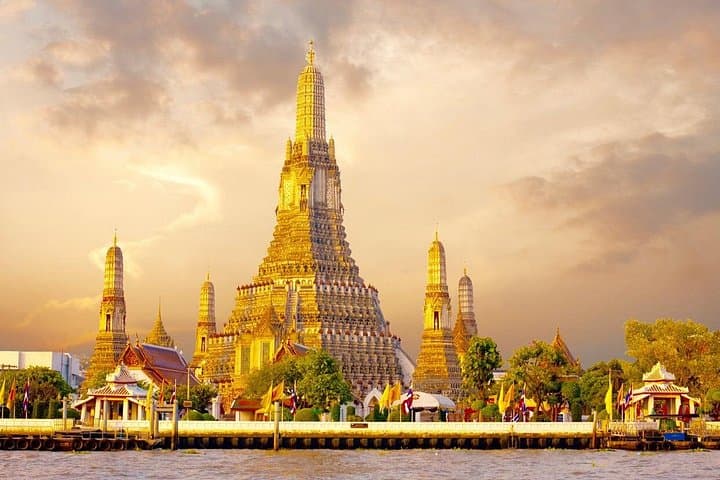
Wat Arun’s prang rises from the riverbank, porcelain shards glinting on steep terraces that climb toward the sky. Built in the early Rattanakosin period and renovated several times, its architecture shows Chinese-influenced ceramics and devotional symbolism tied to the dawn and the river’s rhythms.
Practical guidance: expect 3–4 hours, moderate walking on flat temple grounds with brief stair sections at Wat Arun. Dress respectfully—shoulders and knees covered—and bring sun protection and water; Bangkok heat presses down even in the shade.
Timing matters: mornings are cooler and less crowded; late afternoons offer softer light for photos. Keep a small plan for independent exploring after the tour—nearby markets and a massage school at Wat Pho reward a curious hour. This is a compact cultural circuit that pairs architectural spectacle with an intimate river crossing—urban history delivered on foot and by boat.
Yes—this tour includes admission to both Wat Pho and Wat Arun as indicated in the itinerary.
The short boat ride requires boarding from a public pier and may involve steps; check accessibility and request pickup options when booking.
An English-speaking guide is provided to explain history and direct you between sites.
Full refunds are typically available if you cancel at least 24 hours before departure; check your booking confirmation for specifics.
Sunleisure World operates guided outdoor trips and adventures with an emphasis on safety, stewardship, and memorable experiences.
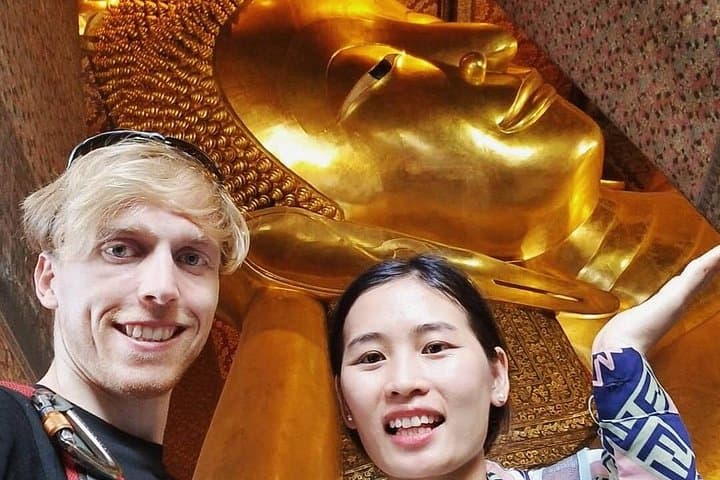

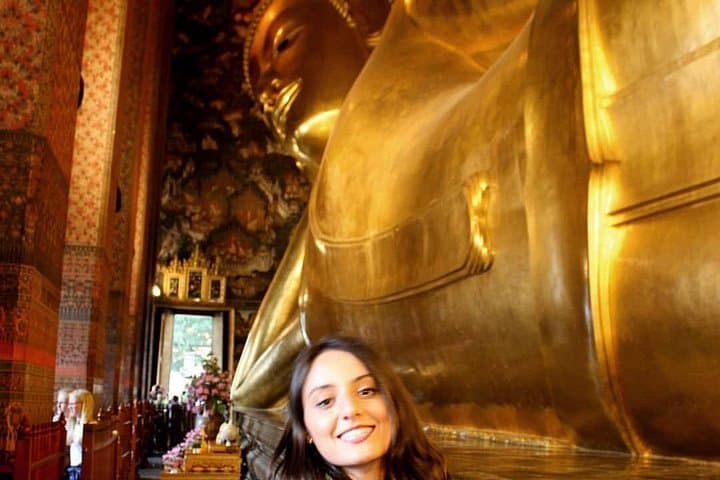
You step off the riverside pier into a humid ribbon of city—the Chao Phraya tugging at the edges of Bangkok’s old quarter, boats chattering as they slice past. The day begins at Wat Pho, where the Reclining Buddha stretches nearly 46 meters long, gilded and unblinking, while temple bells and monk chants frame the courtyard.
You step off the riverside pier into a humid ribbon of city—the Chao Phraya tugging at the edges of Bangkok’s old quarter, boats chattering as they slice past. The day begins at Wat Pho, where the Reclining Buddha stretches nearly 46 meters long, gilded and unblinking, while temple bells and monk chants frame the courtyard.
Wat Pho’s compound is a living classroom of Thai culture: intricate stucco, mosaic-covered chedis, and the historic traditional-massage school that helped codify therapeutic techniques. A short boat hop pushes you across the river; the Chao Phraya presents the city differently here—temple spires and faded waterfront houses reflected like brushstrokes on moving water.
Wat Arun’s prang rises from the riverbank, porcelain shards glinting on steep terraces that climb toward the sky. Built in the early Rattanakosin period and renovated several times, its architecture shows Chinese-influenced ceramics and devotional symbolism tied to the dawn and the river’s rhythms.
Practical guidance: expect 3–4 hours, moderate walking on flat temple grounds with brief stair sections at Wat Arun. Dress respectfully—shoulders and knees covered—and bring sun protection and water; Bangkok heat presses down even in the shade.
Timing matters: mornings are cooler and less crowded; late afternoons offer softer light for photos. Keep a small plan for independent exploring after the tour—nearby markets and a massage school at Wat Pho reward a curious hour. This is a compact cultural circuit that pairs architectural spectacle with an intimate river crossing—urban history delivered on foot and by boat.