THE ADVENTURE COLLECTIVE® · Independent discovery and booking for outdoor travel

Spend a full day exploring Cambodia’s richest temple art on a small‑group circuit from Siem Reap. Visit Pre Rup, the exquisitely carved Banteay Srei, Neak Pean and Preah Khan, finishing with a temple‑ruin sunset.
Spend a full day exploring Cambodia’s richest temple art on a small‑group circuit from Siem Reap. Visit Pre Rup, the exquisitely carved Banteay Srei, Neak Pean and Preah Khan, finishing with a temple‑ruin sunset.
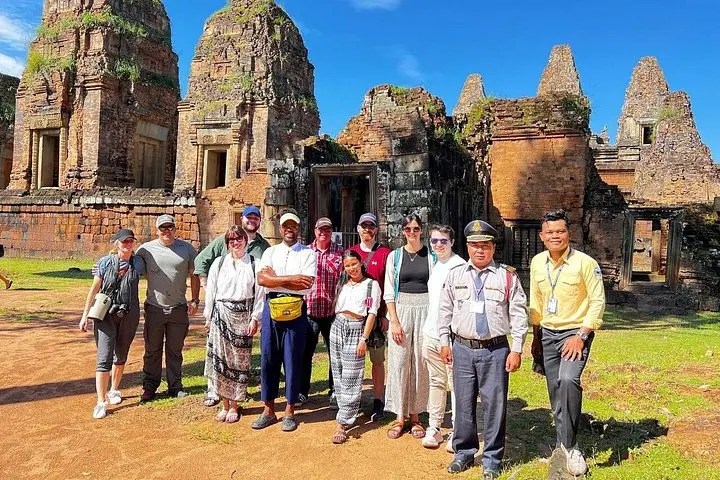
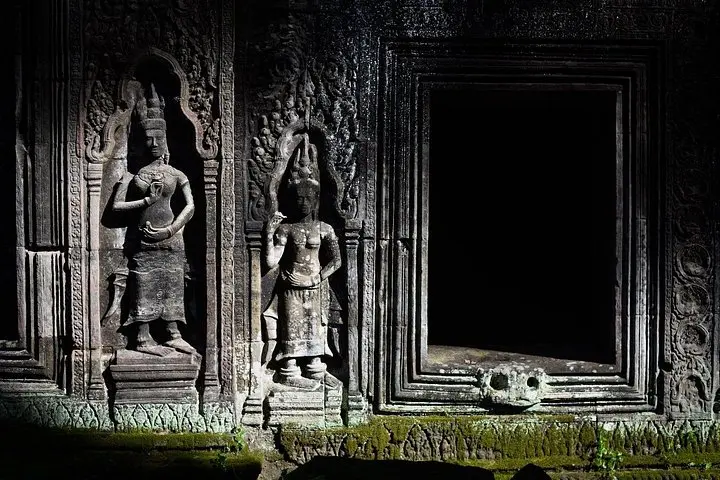
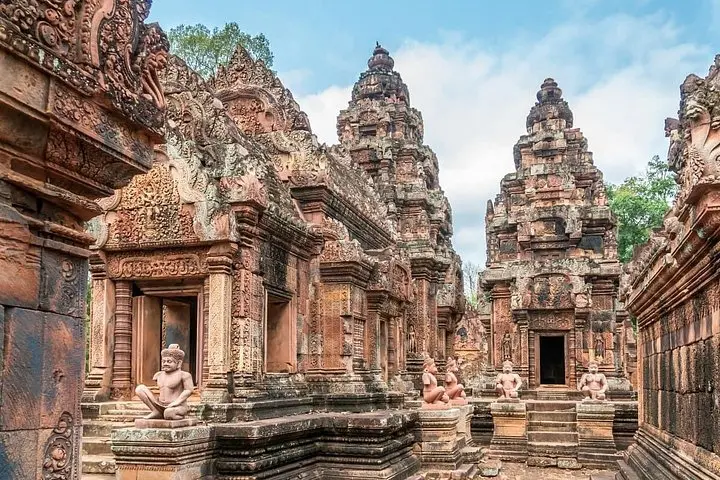
Morning light cuts across laterite and sandstone as your minivan leaves Siem Reap behind and the palms open to temples older than most nations. You step onto a worn stair at Pre Rup—brick and sandstone piled into a temple-mountain that reads like a map of royal funerary rites—then feel the scale shift at Banteay Srei, where tiny, jewel‑like reliefs reward a slow, focused eye.
Verified experiences and guided adventures in the surrounding area.
Operated by Journey Cambodia · Siem Reap, Siem Reap Province
Morning light cuts across laterite and sandstone as your minivan leaves Siem Reap behind and the palms open to temples older than most nations. You step onto a worn stair at Pre Rup—brick and sandstone piled into a temple-mountain that reads like a map of royal funerary rites—then feel the scale shift at Banteay Srei, where tiny, jewel‑like reliefs reward a slow, focused eye.
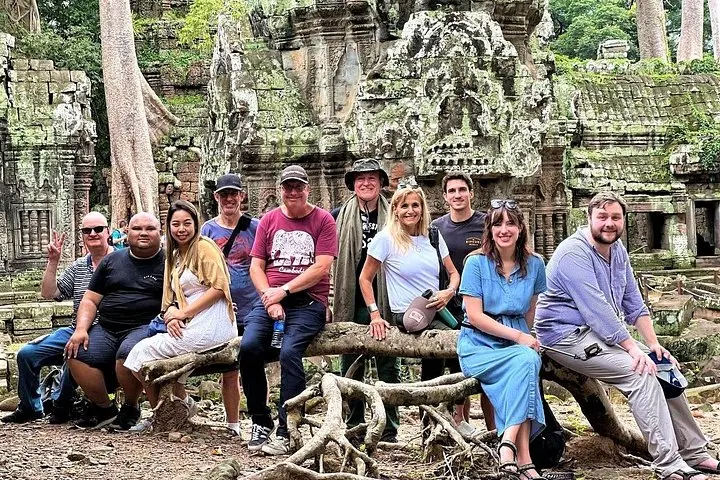
This nine‑hour circuit threads sites from the 10th to 12th centuries: Pre Rup (a state temple), Banteay Srei (famed for its delicate sandstone carving), Neak Pean (an artificial island and symbolic healing pool), and Preah Khan (Jayavarman VII’s sprawling, partially restored complex). Geologically the stones tell a story of local sandstone beds and laterite foundations; culturally the route traces the sweep of Khmer kingship and Buddhist overlays that followed Hindu foundations.
Expect close-up architecture more than long trails—shaded paths, occasional muddy sections in the dry-season scrub, and small village scenes between sites. Guides commonly explain iconography, restoration efforts, and the Angkor water-management legacy that shaped temple locations.
Practicalities: the tour runs about eight hours with hotel pickup, bottled water, and breaks for lunch (own expense). Dress respectfully—knees and shoulders covered—for access; comfortable walking shoes and sun protection are essential. Time your visit outside the midday heat when possible and carry local currency for entrance passes and small purchases. The payoff is tangible: carved faces, quiet cloisters, and a temple‑ruin sunset that flings gold across ancient stone.
No—the tour price typically excludes the Angkor Archaeological Park pass; buy a one‑day or multi‑day pass at the ticket center in Siem Reap before departure.
Yes—the itinerary includes a lunch break (cost not included); guides usually stop at a local restaurant near the park or at a temple-area café.
Children are allowed but must be accompanied by an adult; minimal walking and vehicle transport make it suitable for families with school‑age kids.
Knees and shoulders must be covered for entry to most temples—wear or carry a lightweight sarong, long shorts, or a shawl to comply.
Journey Cambodia operates guided outdoor trips and adventures with an emphasis on safety, stewardship, and memorable experiences.
Morning light cuts across laterite and sandstone as your minivan leaves Siem Reap behind and the palms open to temples older than most nations. You step onto a worn stair at Pre Rup—brick and sandstone piled into a temple-mountain that reads like a map of royal funerary rites—then feel the scale shift at Banteay Srei, where tiny, jewel‑like reliefs reward a slow, focused eye.
Morning light cuts across laterite and sandstone as your minivan leaves Siem Reap behind and the palms open to temples older than most nations. You step onto a worn stair at Pre Rup—brick and sandstone piled into a temple-mountain that reads like a map of royal funerary rites—then feel the scale shift at Banteay Srei, where tiny, jewel‑like reliefs reward a slow, focused eye.
This nine‑hour circuit threads sites from the 10th to 12th centuries: Pre Rup (a state temple), Banteay Srei (famed for its delicate sandstone carving), Neak Pean (an artificial island and symbolic healing pool), and Preah Khan (Jayavarman VII’s sprawling, partially restored complex). Geologically the stones tell a story of local sandstone beds and laterite foundations; culturally the route traces the sweep of Khmer kingship and Buddhist overlays that followed Hindu foundations.
Expect close-up architecture more than long trails—shaded paths, occasional muddy sections in the dry-season scrub, and small village scenes between sites. Guides commonly explain iconography, restoration efforts, and the Angkor water-management legacy that shaped temple locations.
Practicalities: the tour runs about eight hours with hotel pickup, bottled water, and breaks for lunch (own expense). Dress respectfully—knees and shoulders covered—for access; comfortable walking shoes and sun protection are essential. Time your visit outside the midday heat when possible and carry local currency for entrance passes and small purchases. The payoff is tangible: carved faces, quiet cloisters, and a temple‑ruin sunset that flings gold across ancient stone.