THE ADVENTURE COLLECTIVE® · Independent discovery and booking for outdoor travel

Combine pink‑sandstone temples with a boat trip on Tonle Sap in a single day from Siem Reap. This private tour pairs two quieter Angkor temples with an intimate look at floating village life—good for travelers who want both history and local culture.
Combine pink‑sandstone temples with a boat trip on Tonle Sap in a single day from Siem Reap. This private tour pairs two quieter Angkor temples with an intimate look at floating village life—good for travelers who want both history and local culture.
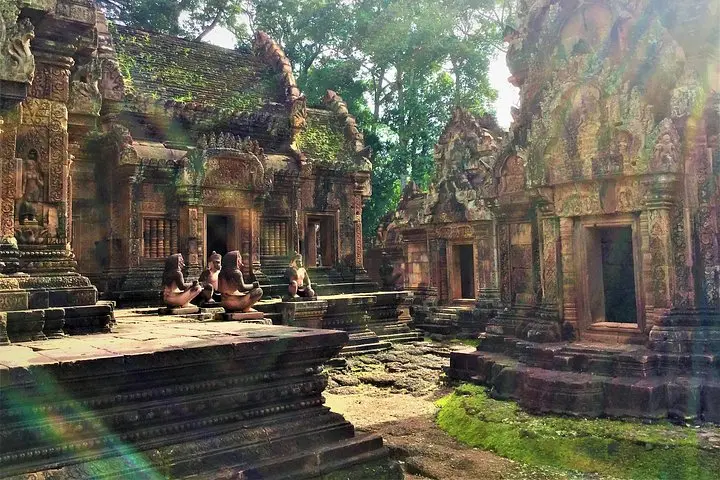
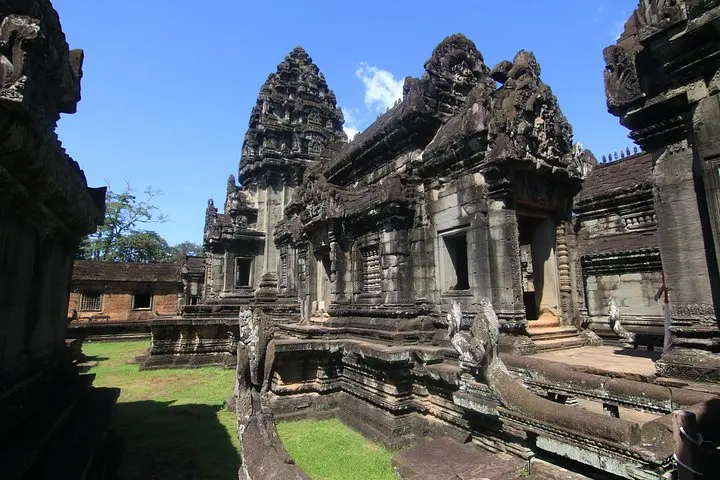
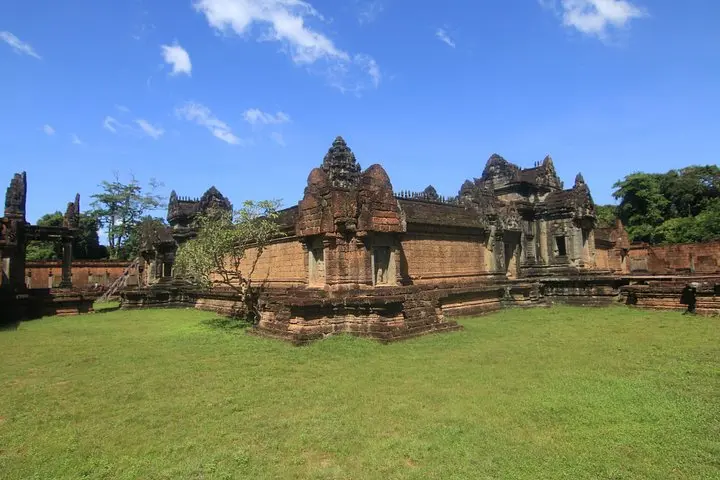
Morning light strips across red sandstone as the van leaves Siem Reap and the roads thin into rice-paddy flats. By midmorning you stand before Banteay Samre’s squat towers and then before Banteay Srei’s delicate pink carvings — faces and floral scrollwork so finely cut they seem to breathe. The temples feel like chapters in stone: ancient rituals written in bas-relief, interrupted only by breezes that push dust and dragonflies along gallery corridors.
Verified experiences and guided adventures in the surrounding area.
Operated by Tour East Cambodia · Siem Reap, Siem Reap Province
Morning light strips across red sandstone as the van leaves Siem Reap and the roads thin into rice-paddy flats. By midmorning you stand before Banteay Samre’s squat towers and then before Banteay Srei’s delicate pink carvings — faces and floral scrollwork so finely cut they seem to breathe. The temples feel like chapters in stone: ancient rituals written in bas-relief, interrupted only by breezes that push dust and dragonflies along gallery corridors.
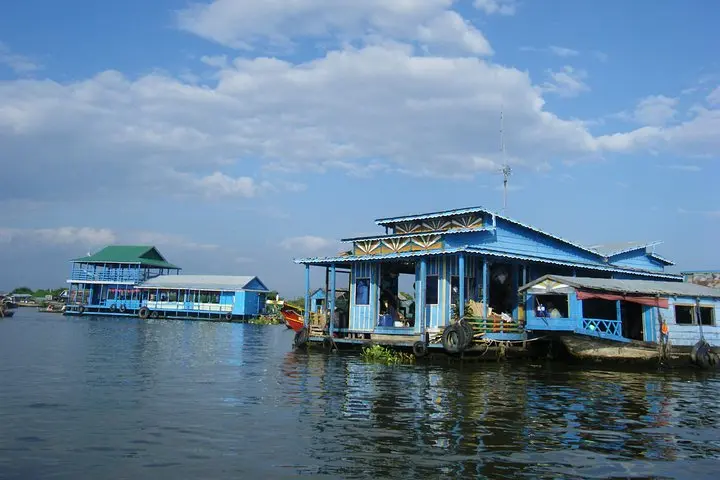
Banteay Srei dates to the 10th century and was carved from hard red sandstone; Banteay Samre, built in the 12th century, follows the Angkor Wat architectural language with broader courtyards and laterite foundations. After a Khmer lunch, the day moves to Tonle Sap, Southeast Asia’s largest freshwater lake system, where floating villages, boat schools, and fish farms reveal a way of life shaped by seasonal flood and retreat. The lake’s slow current seems to nudge you through stilt houses and reed-lined channels, offering close contact with fishing techniques and local trade.
Practicalities are straightforward: tours run about eight hours with private, air‑conditioned transport and a guide; temple entrance fees are separate. Wear breathable clothing that covers shoulders and knees at sacred sites, bring cash for small purchases, and time your visit for early light to avoid midday crowds. Mosquito repellent and a sun hat keep comfort high; water is usually provided. The route balances cultural depth and easy logistics—ideal for travelers who want both carved stone and the living lake in a single day.
Most day tours require a separate Angkor Park pass; confirm with your operator whether fees are included or if you need to purchase on arrival.
Yes—boats are operated by locals and tours are family-friendly, but young children should wear life jackets when provided and be supervised.
Yes—this private eight‑hour itinerary is designed to combine morning temple visits with an afternoon boat trip on Tonle Sap.
Tipping is customary; consider a modest amount per person for the guide and driver if service is good—local staff rely on tips as part of their income.
Tour East Cambodia operates guided outdoor trips and adventures with an emphasis on safety, stewardship, and memorable experiences.
Morning light strips across red sandstone as the van leaves Siem Reap and the roads thin into rice-paddy flats. By midmorning you stand before Banteay Samre’s squat towers and then before Banteay Srei’s delicate pink carvings — faces and floral scrollwork so finely cut they seem to breathe. The temples feel like chapters in stone: ancient rituals written in bas-relief, interrupted only by breezes that push dust and dragonflies along gallery corridors.
Morning light strips across red sandstone as the van leaves Siem Reap and the roads thin into rice-paddy flats. By midmorning you stand before Banteay Samre’s squat towers and then before Banteay Srei’s delicate pink carvings — faces and floral scrollwork so finely cut they seem to breathe. The temples feel like chapters in stone: ancient rituals written in bas-relief, interrupted only by breezes that push dust and dragonflies along gallery corridors.
Banteay Srei dates to the 10th century and was carved from hard red sandstone; Banteay Samre, built in the 12th century, follows the Angkor Wat architectural language with broader courtyards and laterite foundations. After a Khmer lunch, the day moves to Tonle Sap, Southeast Asia’s largest freshwater lake system, where floating villages, boat schools, and fish farms reveal a way of life shaped by seasonal flood and retreat. The lake’s slow current seems to nudge you through stilt houses and reed-lined channels, offering close contact with fishing techniques and local trade.
Practicalities are straightforward: tours run about eight hours with private, air‑conditioned transport and a guide; temple entrance fees are separate. Wear breathable clothing that covers shoulders and knees at sacred sites, bring cash for small purchases, and time your visit for early light to avoid midday crowds. Mosquito repellent and a sun hat keep comfort high; water is usually provided. The route balances cultural depth and easy logistics—ideal for travelers who want both carved stone and the living lake in a single day.