THE ADVENTURE COLLECTIVE® · Independent discovery and booking for outdoor travel

Explore Barbados’ southeast wetlands and private sanctuaries with local guides. Expect close looks at herons, egrets, and shorebirds across a 2½-hour, transport-included tour with expert commentary and binoculars supplied.
Explore Barbados’ southeast wetlands and private sanctuaries with local guides. Expect close looks at herons, egrets, and shorebirds across a 2½-hour, transport-included tour with expert commentary and binoculars supplied.
The tour begins with a cool Atlantic breeze and the crack of terns over the shoreline — guides scan flats and mangroves while kitesurfers paint the sky with color. You’ll move from salt-slick rocks to reed-framed channels, binoculars raised, listening for the click of a kingfisher or the soft clack of sandpipers probing for food.
Verified experiences and guided adventures in the surrounding area.
Operated by EBike Island Adventures · Bridgetown, St. Philip
The tour begins with a cool Atlantic breeze and the crack of terns over the shoreline — guides scan flats and mangroves while kitesurfers paint the sky with color. You’ll move from salt-slick rocks to reed-framed channels, binoculars raised, listening for the click of a kingfisher or the soft clack of sandpipers probing for food.
This is southeast Barbados: low coral limestone underfoot, coastal wetlands formed where freshwater meets sea, and places like Chancery Lane that carry traces of the island’s earliest Amerindian inhabitants. The birdlife reflects those geologies and histories — migratory species pause here between North and South America, while resident herons and gallinules stake year-round territories in the reeds.
Local guides bring cultural context and practical fieldcraft: how to read tides, where to stand quietly, and why certain mangroves matter to fishermen and farmers alike. The experience is compact — roughly 2½ hours — but concentrated, with short walks, roadside stops, and a private sanctuary visit that brings close encounters with Snowy Egrets and Ruddy Turnstones.
For practical planning: mornings are best for activity and light; wear closed-toe shoes for uneven boardwalks and expect muddy patches. Insect repellent, sun protection, and a small water bottle make the difference between comfort and distraction. Binoculars and a field guide are supplied, but bringing your own optics improves identification. The operator provides air-conditioned transport and limits groups to keep disturbance low — listen to guides about nesting areas and keep voices down to increase sightings and protect habitat.
Yes — binoculars and a field reference guide are included, though bringing your own optics is recommended for better range and comfort.
Yes — the tour includes air-conditioned transport and pick-up; you’ll choose a pickup point at booking.
The tour requires a moderate level of fitness: short walks on boardwalks and uneven ground with some standing for observation; not recommended for those with serious back or heart conditions.
Full refunds are available if you cancel at least 24 hours before the scheduled departure; the operator may cancel in bad weather with a full refund.
EBike Island Adventures operates guided outdoor trips and adventures with an emphasis on safety, stewardship, and memorable experiences.
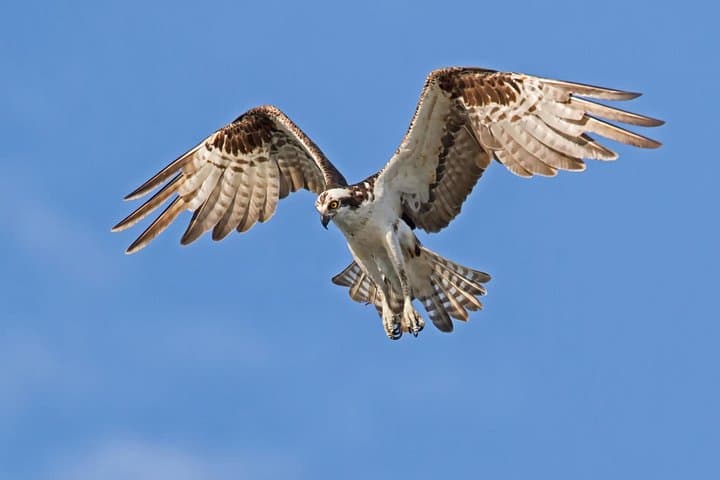
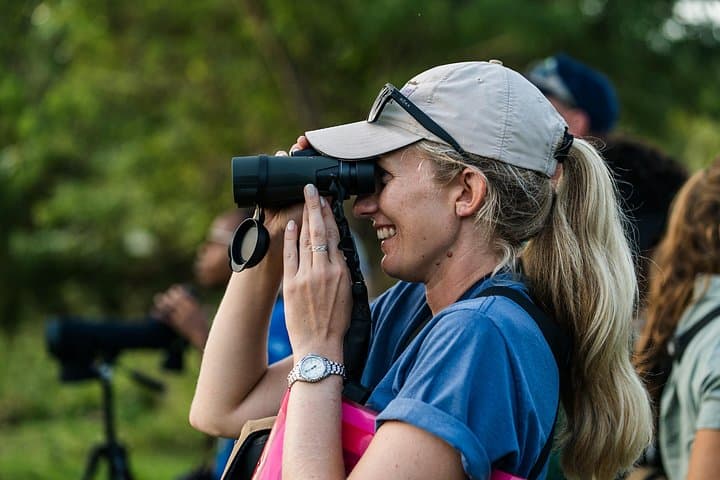
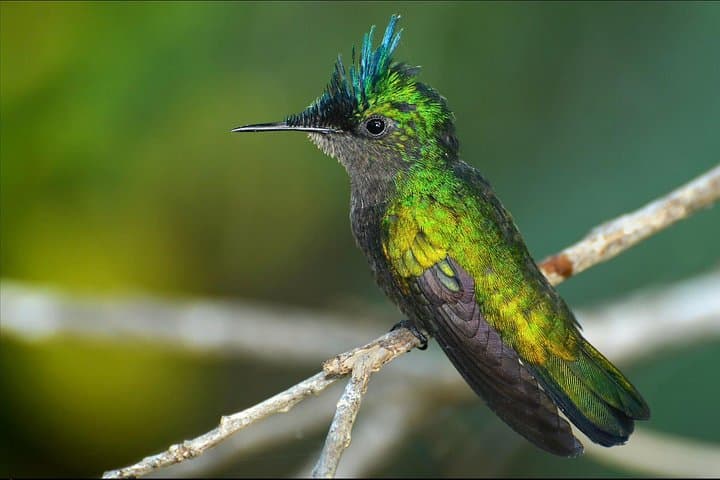
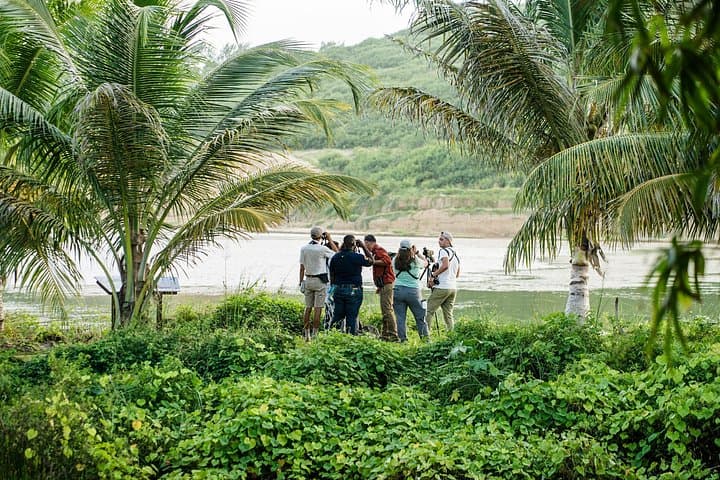
The tour begins with a cool Atlantic breeze and the crack of terns over the shoreline — guides scan flats and mangroves while kitesurfers paint the sky with color. You’ll move from salt-slick rocks to reed-framed channels, binoculars raised, listening for the click of a kingfisher or the soft clack of sandpipers probing for food.
The tour begins with a cool Atlantic breeze and the crack of terns over the shoreline — guides scan flats and mangroves while kitesurfers paint the sky with color. You’ll move from salt-slick rocks to reed-framed channels, binoculars raised, listening for the click of a kingfisher or the soft clack of sandpipers probing for food.
This is southeast Barbados: low coral limestone underfoot, coastal wetlands formed where freshwater meets sea, and places like Chancery Lane that carry traces of the island’s earliest Amerindian inhabitants. The birdlife reflects those geologies and histories — migratory species pause here between North and South America, while resident herons and gallinules stake year-round territories in the reeds.
Local guides bring cultural context and practical fieldcraft: how to read tides, where to stand quietly, and why certain mangroves matter to fishermen and farmers alike. The experience is compact — roughly 2½ hours — but concentrated, with short walks, roadside stops, and a private sanctuary visit that brings close encounters with Snowy Egrets and Ruddy Turnstones.
For practical planning: mornings are best for activity and light; wear closed-toe shoes for uneven boardwalks and expect muddy patches. Insect repellent, sun protection, and a small water bottle make the difference between comfort and distraction. Binoculars and a field guide are supplied, but bringing your own optics improves identification. The operator provides air-conditioned transport and limits groups to keep disturbance low — listen to guides about nesting areas and keep voices down to increase sightings and protect habitat.