THE ADVENTURE COLLECTIVE® · Independent discovery and booking for outdoor travel

Wander Barcelona’s oldest streets on a focused 2‑hour walking tour linking Gothic cathedral vaults, the guild‑ringed Born and Casa Gispert’s 19th‑century nut roastery. Expect skip‑the‑line access, tight medieval alleys and tasting stops that bring living traditions into sharp relief.
Wander Barcelona’s oldest streets on a focused 2‑hour walking tour linking Gothic cathedral vaults, the guild‑ringed Born and Casa Gispert’s 19th‑century nut roastery. Expect skip‑the‑line access, tight medieval alleys and tasting stops that bring living traditions into sharp relief.
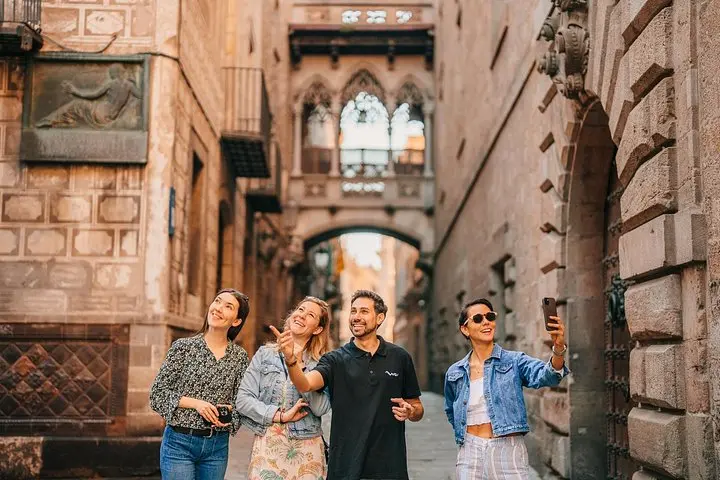
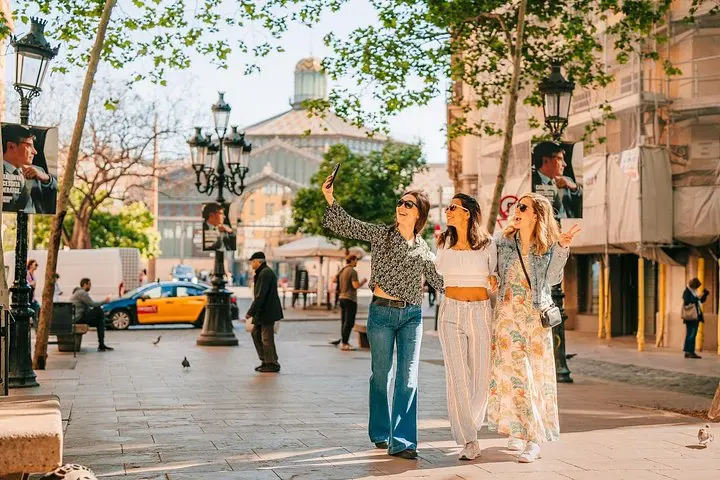
You step off a tram into the narrow alleys of Barcelona's Gothic Quarter and the city presses close: cool shadowed stone on one side, sunlit façades on the other, and the warm scent of roasted nuts drifting from an open shop door.
Verified experiences and guided adventures in the surrounding area.
Operated by BARCELONA BEST EXPERIENCES · Barcelona, Catalonia
You step off a tram into the narrow alleys of Barcelona's Gothic Quarter and the city presses close: cool shadowed stone on one side, sunlit façades on the other, and the warm scent of roasted nuts drifting from an open shop door.
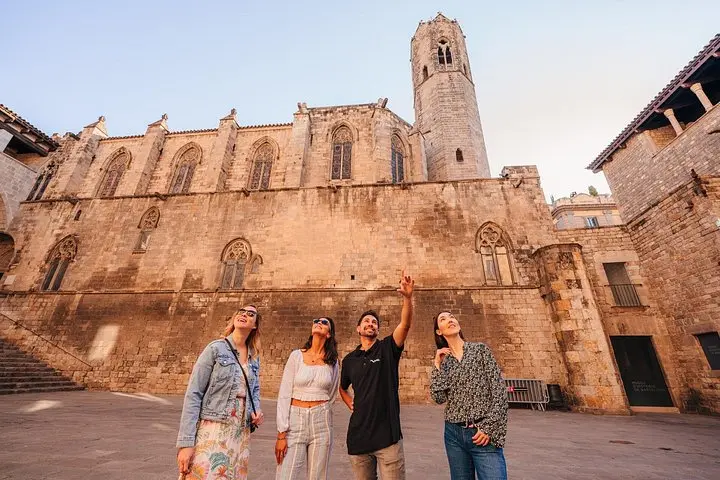
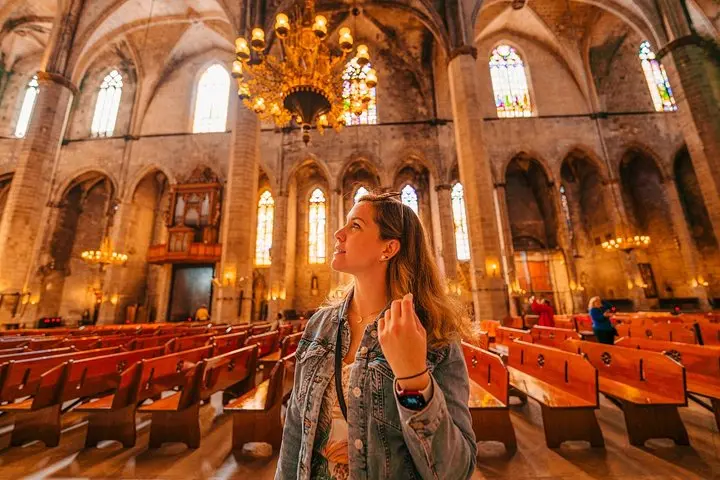
This two‑hour walk threads together layers of history. Beneath your feet lies Barcino, the Roman settlement; above you rise Gothic vaults of the Cathedral and the 14th‑century Santa Maria del Mar, built largely from Montjuïc stone hauled by local sea workers. The Born district, once home to medieval guilds, still shows the handwork of carpenters and chocolatiers, while Casa Gispert—open since 1851—keeps the slow craft of roasting nuts alive.
Geology and trade shaped these streets: the nearby Mediterranean dictated materials, markets and maritime wealth that funded grand civic and religious projects. Today the alleys host independent artisans, tapas bars and small galleries that speak of continuity more than reinvention.
Practical guidance: the tour lasts about 2 hours and includes skip‑the‑line entry to the Cathedral and admission to Santa Maria del Mar (towers excluded). Wear supportive walking shoes for cobbles, bring a small water bottle, and plan for morning or late‑afternoon light for better photos and fewer crowds. Public transit drops you a short walk from the start; if you have mobility concerns, check accessibility at individual sites. Bring a light layer—sea breezes can cool the narrow lanes—and keep a few euros for tastings at Casa Gispert. This is compact urban exploration that rewards curiosity and a steady pace.
The tour is approximately 2 hours and covers Barcelona Cathedral, Plaça del Rei/MUHBA area, the Born’s historic streets with a stop at Casa Gispert, and Santa Maria del Mar (interior access; towers excluded).
Yes—skip‑the‑line admission to Barcelona Cathedral and access to Santa Maria del Mar’s interior are included; tower access is not part of the tour.
Many streets are narrow and cobbled; while some sections are manageable, accessibility varies—contact the operator in advance to confirm accommodations for mobility needs.
A small tasting of dried/roasted nuts is included, but purchases are optional if you wish to buy larger quantities or specialty items.
BARCELONA BEST EXPERIENCES operates guided outdoor trips and adventures with an emphasis on safety, stewardship, and memorable experiences.
You step off a tram into the narrow alleys of Barcelona's Gothic Quarter and the city presses close: cool shadowed stone on one side, sunlit façades on the other, and the warm scent of roasted nuts drifting from an open shop door.
You step off a tram into the narrow alleys of Barcelona's Gothic Quarter and the city presses close: cool shadowed stone on one side, sunlit façades on the other, and the warm scent of roasted nuts drifting from an open shop door.
This two‑hour walk threads together layers of history. Beneath your feet lies Barcino, the Roman settlement; above you rise Gothic vaults of the Cathedral and the 14th‑century Santa Maria del Mar, built largely from Montjuïc stone hauled by local sea workers. The Born district, once home to medieval guilds, still shows the handwork of carpenters and chocolatiers, while Casa Gispert—open since 1851—keeps the slow craft of roasting nuts alive.
Geology and trade shaped these streets: the nearby Mediterranean dictated materials, markets and maritime wealth that funded grand civic and religious projects. Today the alleys host independent artisans, tapas bars and small galleries that speak of continuity more than reinvention.
Practical guidance: the tour lasts about 2 hours and includes skip‑the‑line entry to the Cathedral and admission to Santa Maria del Mar (towers excluded). Wear supportive walking shoes for cobbles, bring a small water bottle, and plan for morning or late‑afternoon light for better photos and fewer crowds. Public transit drops you a short walk from the start; if you have mobility concerns, check accessibility at individual sites. Bring a light layer—sea breezes can cool the narrow lanes—and keep a few euros for tastings at Casa Gispert. This is compact urban exploration that rewards curiosity and a steady pace.