THE ADVENTURE COLLECTIVE® · Independent discovery and booking for outdoor travel

Walk El Born with a local guide and four curated chocolate tastings, finishing with a guided visit to the Museu de la Xocolata. This private 2–2.5 hour tour blends culinary sampling with history, ideal for families and solo travelers alike.
Walk El Born with a local guide and four curated chocolate tastings, finishing with a guided visit to the Museu de la Xocolata. This private 2–2.5 hour tour blends culinary sampling with history, ideal for families and solo travelers alike.
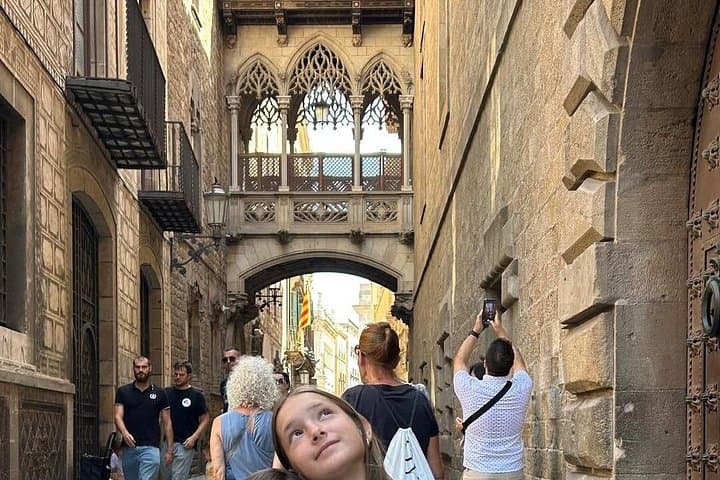
You step off Carrer de la Princesa and the air takes on a kind of warm, cocoa-thick hum — a neighborhood of narrow streets, boutique chocolaterías and the occasional clatter of a nearby market. A local host leads the way, pointing out window displays of bonbons and the mossy stonework of El Born as you taste the city’s sweet lineage one stop at a time.
Verified experiences and guided adventures in the surrounding area.
Operated by Visit Barca · Barcelona, Catalonia
You step off Carrer de la Princesa and the air takes on a kind of warm, cocoa-thick hum — a neighborhood of narrow streets, boutique chocolaterías and the occasional clatter of a nearby market. A local host leads the way, pointing out window displays of bonbons and the mossy stonework of El Born as you taste the city’s sweet lineage one stop at a time.
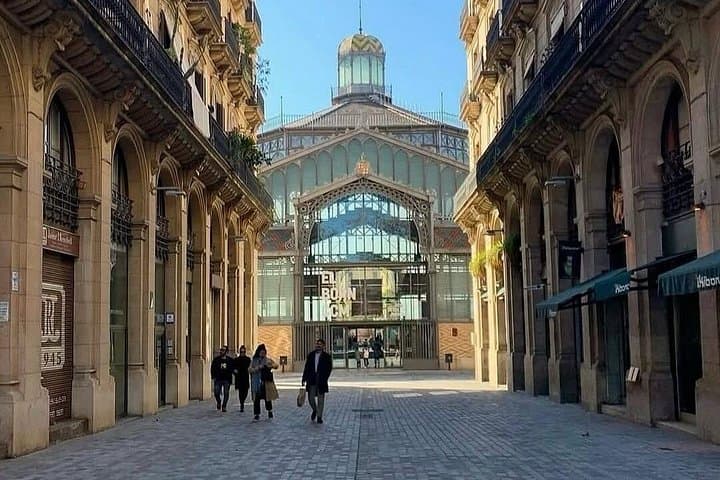
Chocolate arrived in Barcelona through Mediterranean trade routes in the 16th century and quickly became a civic indulgence; the Museu de la Xocolata archives that transformation with displays of ornate chocolate sculptures and a timeline that ties colonial trade, Catalan cafés, and artisanal craft together. El Born itself is layered in history — medieval lanes folded against 19th-century market halls and the Gothic outlines of Santa Maria del Mar — creating a fitting backdrop for a tasting tour.
Expect three or four artisanal sampling stops followed by an 80-minute visit to the museum, where your ticket includes a small edible surprise. The pace is relaxed and accessible; the host weaves cultural notes with tasting guidance so you learn as you nibble.
Practical tips: meet on Carrer de la Princesa 55, allow roughly 2–2.5 hours, and bring a small bag for purchases. Wear comfortable shoes for cobbled streets and carry a reusable bottle — Barcelona’s tap water is potable. If you have allergies or dietary restrictions, confirm them when you book; the tour is private and often can be adapted. For a compact, flavorful urban outing that blends food history with neighborhood wanderings, this tour delivers both context and taste.
Yes — the museum entry is included and comes with a small edible surprise as part of the visit.
Yes — the tour notes stroller accessibility and is family-friendly, though some streets are narrow and cobbled.
The tour can often be adapted for common allergies or dietary preferences if you notify the operator in advance.
All sales are final; the listing specifies no refunds for cancellations, so confirm availability before booking.
Visit Barca operates guided outdoor trips and adventures with an emphasis on safety, stewardship, and memorable experiences.


You step off Carrer de la Princesa and the air takes on a kind of warm, cocoa-thick hum — a neighborhood of narrow streets, boutique chocolaterías and the occasional clatter of a nearby market. A local host leads the way, pointing out window displays of bonbons and the mossy stonework of El Born as you taste the city’s sweet lineage one stop at a time.
You step off Carrer de la Princesa and the air takes on a kind of warm, cocoa-thick hum — a neighborhood of narrow streets, boutique chocolaterías and the occasional clatter of a nearby market. A local host leads the way, pointing out window displays of bonbons and the mossy stonework of El Born as you taste the city’s sweet lineage one stop at a time.
Chocolate arrived in Barcelona through Mediterranean trade routes in the 16th century and quickly became a civic indulgence; the Museu de la Xocolata archives that transformation with displays of ornate chocolate sculptures and a timeline that ties colonial trade, Catalan cafés, and artisanal craft together. El Born itself is layered in history — medieval lanes folded against 19th-century market halls and the Gothic outlines of Santa Maria del Mar — creating a fitting backdrop for a tasting tour.
Expect three or four artisanal sampling stops followed by an 80-minute visit to the museum, where your ticket includes a small edible surprise. The pace is relaxed and accessible; the host weaves cultural notes with tasting guidance so you learn as you nibble.
Practical tips: meet on Carrer de la Princesa 55, allow roughly 2–2.5 hours, and bring a small bag for purchases. Wear comfortable shoes for cobbled streets and carry a reusable bottle — Barcelona’s tap water is potable. If you have allergies or dietary restrictions, confirm them when you book; the tour is private and often can be adapted. For a compact, flavorful urban outing that blends food history with neighborhood wanderings, this tour delivers both context and taste.