THE ADVENTURE COLLECTIVE® · Independent discovery and booking for outdoor travel

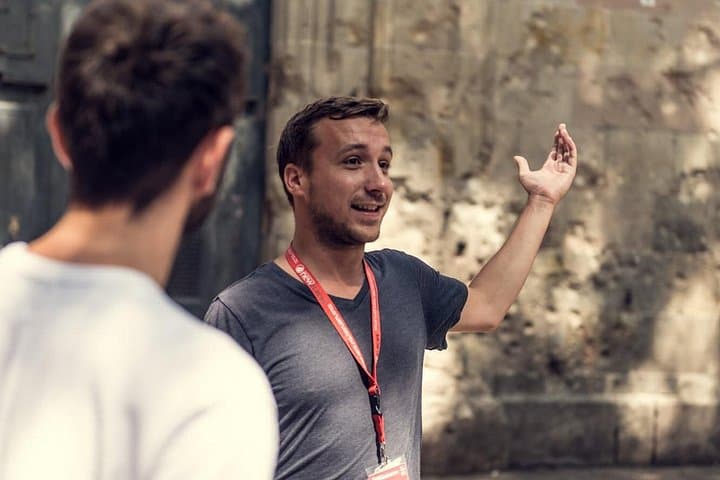
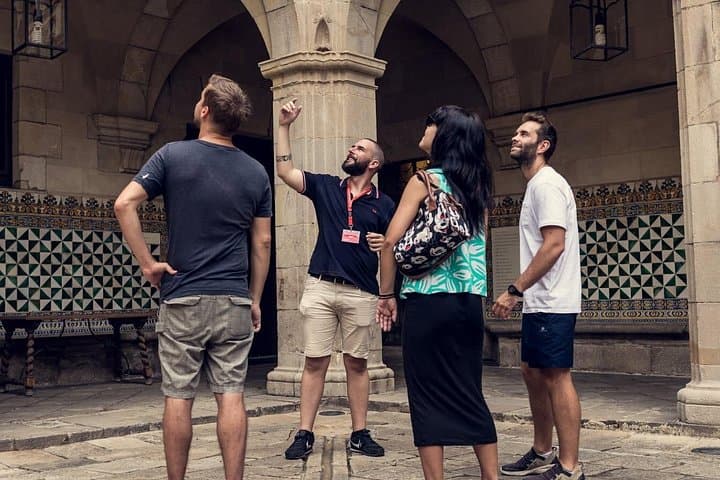
Explore Barcelona’s Gothic Quarter and El Born on a focused 2.5‑hour walking tour that mixes Roman ruins, Gothic cathedrals, and Catalan street life. Guides illuminate hidden corners, civic history, and architectural highlights while keeping the pace easy and accessible.
Explore Barcelona’s Gothic Quarter and El Born on a focused 2.5‑hour walking tour that mixes Roman ruins, Gothic cathedrals, and Catalan street life. Guides illuminate hidden corners, civic history, and architectural highlights while keeping the pace easy and accessible.
You step out of the Jaume I metro into a narrow corridor of shadow and stone; the Mediterranean wind brushes past cafe chairs and the toll of a cathedral bell marks the start of a 2.5‑hour stroll through Barcelona’s living history.
Verified experiences and guided adventures in the surrounding area.
Operated by SANDEMANs Tours - Barcelona · Barcelona, Catalonia
You step out of the Jaume I metro into a narrow corridor of shadow and stone; the Mediterranean wind brushes past cafe chairs and the toll of a cathedral bell marks the start of a 2.5‑hour stroll through Barcelona’s living history.
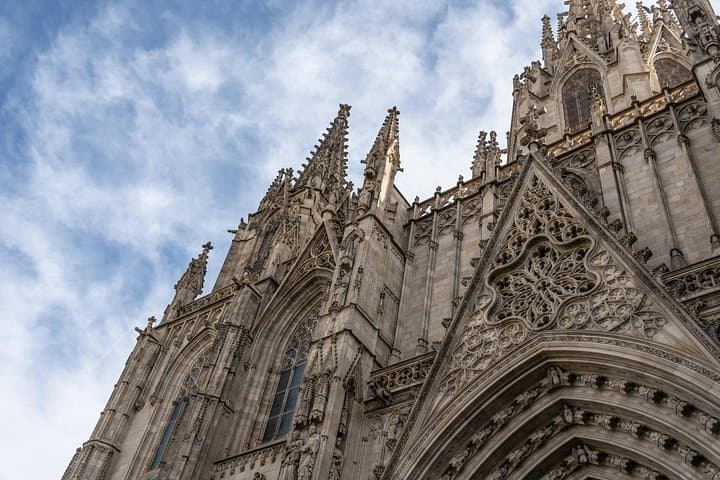
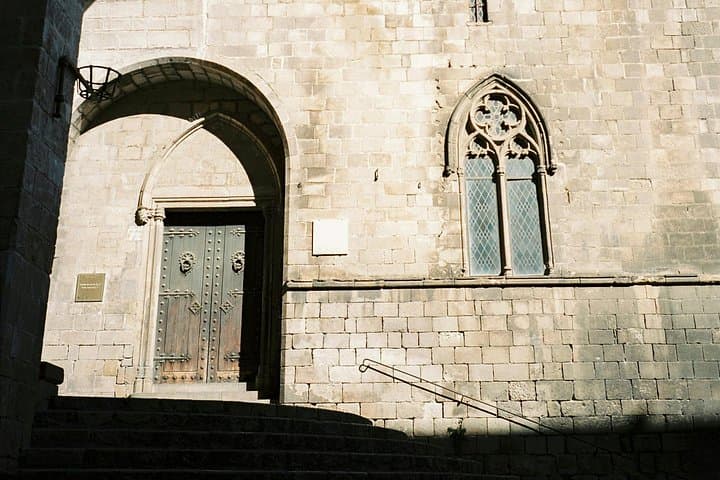
The route threads from the ribbed vaults of the Barcelona Cathedral through lanes where Roman foundations lie beneath your feet, then opens into El Born — a district shaped by medieval merchants and maritime ambition. Buildings here tell two stories: Gothic arches that rose from medieval civic life, and later façades that remember the city’s role as a Mediterranean port. Look for the pale scars in Plaça Sant Felip Neri — traces of the 20th century carved into baroque stone — and the quiet rectangular grace of Santa Maria del Mar, built by sailors and merchants in the 14th century.
Geologically the city sits on a coastal plain of Pleistocene sands, its streets laid over ancient Roman grids; culturally, the area pulses with Catalan identity, from monuments to castellers to Picasso’s early workshops nearby. Guides point out Roman necropolis fragments and explain how trade and conflict shaped the neighborhoods.
Practicalities: wear supportive shoes for cobbles and narrow stairways, bring a small water bottle, and plan an early or late start to avoid peak crowds and heat. The tour runs rain or shine and is largely flat with short stair sections; it’s accessible for most walkers but watch for uneven pavement. Keep valuables secure in crowded plazas, and leave time afterward to explore El Born’s cafés and artisan shops — the streets are the reward.
The tour meets at the Jaume I metro exit in front of Hotel Suizo and typically ends at El Born Centre de Cultura i Memòria or Parc de la Ciutadella.
Yes—routes and surfaces are described as wheelchair accessible, but contact the operator in advance for specific assistance or step‑free arrangements.
No—this is a walking tour focusing on external views and historical context; special admissions to museums or cathedrals are usually not included.
Guides are available in English and Spanish per the listing; check availability for other languages when booking.
SANDEMANs Tours - Barcelona operates guided outdoor trips and adventures with an emphasis on safety, stewardship, and memorable experiences.
You step out of the Jaume I metro into a narrow corridor of shadow and stone; the Mediterranean wind brushes past cafe chairs and the toll of a cathedral bell marks the start of a 2.5‑hour stroll through Barcelona’s living history.
You step out of the Jaume I metro into a narrow corridor of shadow and stone; the Mediterranean wind brushes past cafe chairs and the toll of a cathedral bell marks the start of a 2.5‑hour stroll through Barcelona’s living history.
The route threads from the ribbed vaults of the Barcelona Cathedral through lanes where Roman foundations lie beneath your feet, then opens into El Born — a district shaped by medieval merchants and maritime ambition. Buildings here tell two stories: Gothic arches that rose from medieval civic life, and later façades that remember the city’s role as a Mediterranean port. Look for the pale scars in Plaça Sant Felip Neri — traces of the 20th century carved into baroque stone — and the quiet rectangular grace of Santa Maria del Mar, built by sailors and merchants in the 14th century.
Geologically the city sits on a coastal plain of Pleistocene sands, its streets laid over ancient Roman grids; culturally, the area pulses with Catalan identity, from monuments to castellers to Picasso’s early workshops nearby. Guides point out Roman necropolis fragments and explain how trade and conflict shaped the neighborhoods.
Practicalities: wear supportive shoes for cobbles and narrow stairways, bring a small water bottle, and plan an early or late start to avoid peak crowds and heat. The tour runs rain or shine and is largely flat with short stair sections; it’s accessible for most walkers but watch for uneven pavement. Keep valuables secure in crowded plazas, and leave time afterward to explore El Born’s cafés and artisan shops — the streets are the reward.