THE ADVENTURE COLLECTIVE® · Independent discovery and booking for outdoor travel

Glide from Barcelona’s Roman heart through Gothic lanes to the Olympic Port on a guided Segway route that covers beaches, parks, and waterfront monuments in 2–3 hours. Practical briefings, helmets, and short photo stops make this a fast, accessible urban overview.
Glide from Barcelona’s Roman heart through Gothic lanes to the Olympic Port on a guided Segway route that covers beaches, parks, and waterfront monuments in 2–3 hours. Practical briefings, helmets, and short photo stops make this a fast, accessible urban overview.
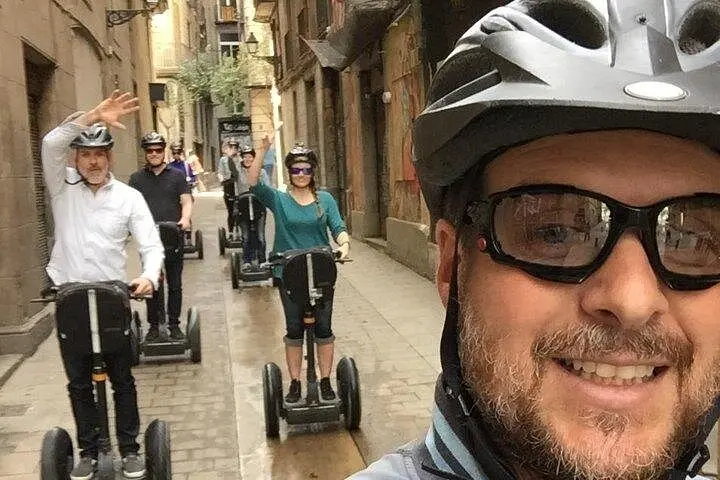
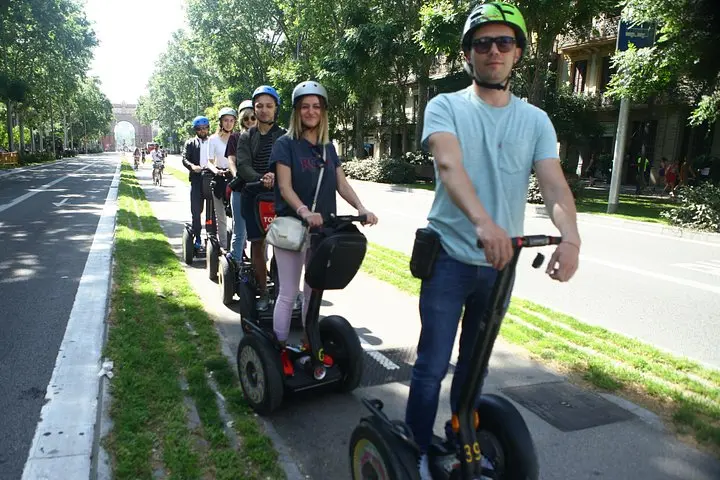
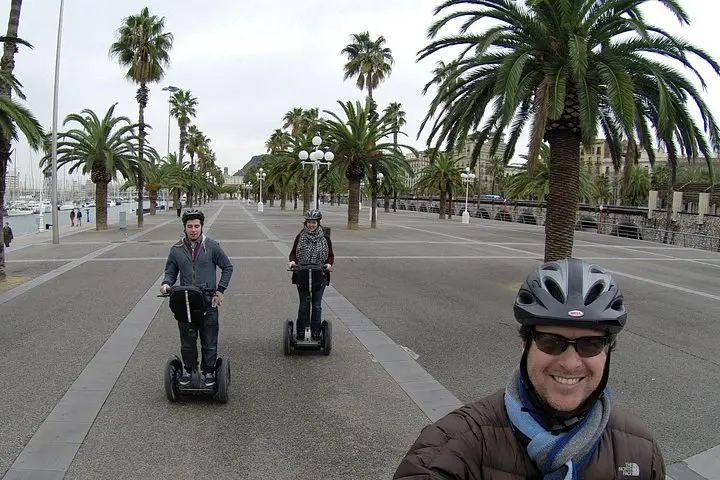
You step off narrow stone alleys into the sudden salt air as the guide lines you up on a Segway in front of the old Roman wall. The machine hums beneath you and the city opens—tight Gothic lanes give way to broad avenues and then the marina’s glinting water. Movement becomes the way to read Barcelona: its layers of history passed by at standing height.
Verified experiences and guided adventures in the surrounding area.
Operated by Barcelona Segway Glides · Barcelona, Catalonia
You step off narrow stone alleys into the sudden salt air as the guide lines you up on a Segway in front of the old Roman wall. The machine hums beneath you and the city opens—tight Gothic lanes give way to broad avenues and then the marina’s glinting water. Movement becomes the way to read Barcelona: its layers of history passed by at standing height.
Barcino, the Roman settlement, left stones and street patterns that still shape the Gothic Quarter; later the 1992 Olympics recast the coastline with new marinas and public parks. Geologically the city sits on coastal terraces above the Mediterranean—flat enough for effortless riding but with surprising visual shifts between urban masonry and open sea. Culturally, the route threads markets, modernist fragments, and beachfront chiringuitos where the Catalan appetite for fresh seafood and evening promenades is palpable.
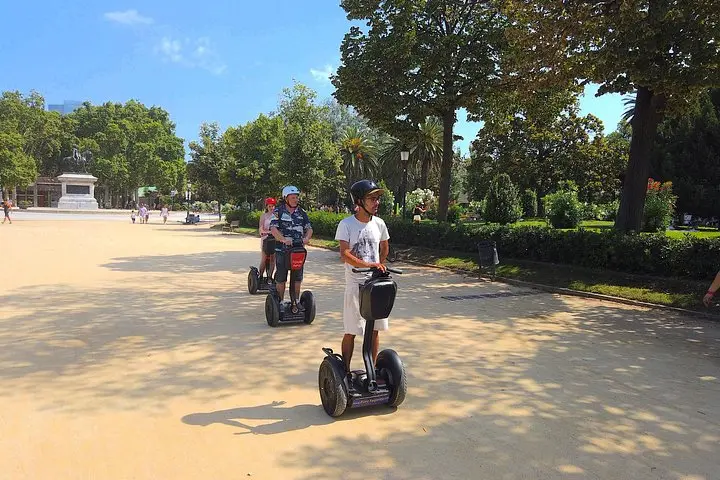
Expect frequent short stops for photos and context—Estació de França’s ironwork, the Parc de la Ciutadella fountain, and the Olympic Port’s sculptures all get attention. Guides provide a safety briefing and practice time; helmets are supplied and local regulations set minimum age and weight limits. The tour skips museum interiors so you’ll see exteriors and public spaces on a 2–3 hour circuit.
Practical notes: arrive early for the 15-minute briefing, wear closed-toe shoes, and plan for sun or sudden coastal wind—light layers work best. Bring a small bottle of water (one is supplied), a charged phone for photos, and ID for check-in. This is a quick, efficient way to cover varied neighborhoods with context and minimal exertion.
Local rules set a minimum Segway riding age (typically 16) and weight limits typically between about 45 kg (100 lbs) and 117 kg (260 lbs); children underage are offered e-bikes.
Yes—helmets are mandatory, provided free of charge, and fitting/training are included at the start of the tour.
No—this tour focuses on outdoor landmarks and viewpoints; entrances to museums or paid attractions are not included.
Tours operate in most conditions with raincoats available; in severe weather the operator will offer an alternative date or time.
Barcelona Segway Glides operates guided outdoor trips and adventures with an emphasis on safety, stewardship, and memorable experiences.
You step off narrow stone alleys into the sudden salt air as the guide lines you up on a Segway in front of the old Roman wall. The machine hums beneath you and the city opens—tight Gothic lanes give way to broad avenues and then the marina’s glinting water. Movement becomes the way to read Barcelona: its layers of history passed by at standing height.
You step off narrow stone alleys into the sudden salt air as the guide lines you up on a Segway in front of the old Roman wall. The machine hums beneath you and the city opens—tight Gothic lanes give way to broad avenues and then the marina’s glinting water. Movement becomes the way to read Barcelona: its layers of history passed by at standing height.
Barcino, the Roman settlement, left stones and street patterns that still shape the Gothic Quarter; later the 1992 Olympics recast the coastline with new marinas and public parks. Geologically the city sits on coastal terraces above the Mediterranean—flat enough for effortless riding but with surprising visual shifts between urban masonry and open sea. Culturally, the route threads markets, modernist fragments, and beachfront chiringuitos where the Catalan appetite for fresh seafood and evening promenades is palpable.
Expect frequent short stops for photos and context—Estació de França’s ironwork, the Parc de la Ciutadella fountain, and the Olympic Port’s sculptures all get attention. Guides provide a safety briefing and practice time; helmets are supplied and local regulations set minimum age and weight limits. The tour skips museum interiors so you’ll see exteriors and public spaces on a 2–3 hour circuit.
Practical notes: arrive early for the 15-minute briefing, wear closed-toe shoes, and plan for sun or sudden coastal wind—light layers work best. Bring a small bottle of water (one is supplied), a charged phone for photos, and ID for check-in. This is a quick, efficient way to cover varied neighborhoods with context and minimal exertion.