THE ADVENTURE COLLECTIVE® · Independent discovery and booking for outdoor travel

Skip the tourist brunches and walk the city’s morning food circuit: churros, market-cured ham, and a tapas aperitif that locals actually eat before noon. This three-hour morning crawl pairs tastings with cultural context across Barcelona’s historic market streets.
Skip the tourist brunches and walk the city’s morning food circuit: churros, market-cured ham, and a tapas aperitif that locals actually eat before noon. This three-hour morning crawl pairs tastings with cultural context across Barcelona’s historic market streets.
The walk begins just as the city exhales into morning: shutters rattle open, a Mediterranean breeze teases the aroma of frying oil, and market stalls throw up colorful displays that practically dare you to taste. Guests thread narrow streets from neighborhood cafes to a busy market, sampling churros dusted with sugar, paper-thin slices of jamón, and small plates that define a Spanish morning.
Verified experiences and guided adventures in the surrounding area.
Operated by Food Lover Tour - The Best Food Tour · Barcelona, Catalonia
The walk begins just as the city exhales into morning: shutters rattle open, a Mediterranean breeze teases the aroma of frying oil, and market stalls throw up colorful displays that practically dare you to taste. Guests thread narrow streets from neighborhood cafes to a busy market, sampling churros dusted with sugar, paper-thin slices of jamón, and small plates that define a Spanish morning.
Barcelona’s food rhythms reflect its layered history — Roman grid, medieval alleys, and 19th-century market halls like La Boqueria, built on the city’s coastal plain with views toward Montjuïc’s old volcanic slopes. Catalan culinary culture mixes sea and field: anchovies and shellfish from the nearby Mediterranean, cured pork from inland farms, and a coffee habit that runs later and longer than many visitors expect.
On this three-hour anti-brunch, guides point out local habits (standing at the bar for an espresso and a bite), explain market provenance, and demonstrate how tapas function as social glue. Expect an easy, urban walk on paved streets with frequent stops for tastings — suitable for most fitness levels and families.
Practical notes: arrive hungry and with comfortable shoes; bring a small amount of cash for market purchases, though most vendors accept cards. Mid-morning light and lower crowds make the earliest slots best for photography and less jostling. If you have dietary restrictions, notify the operator in advance so the guide can adapt stops. The tour is as much about flavor as context — each bite is a short lesson in Barcelona’s living food history.
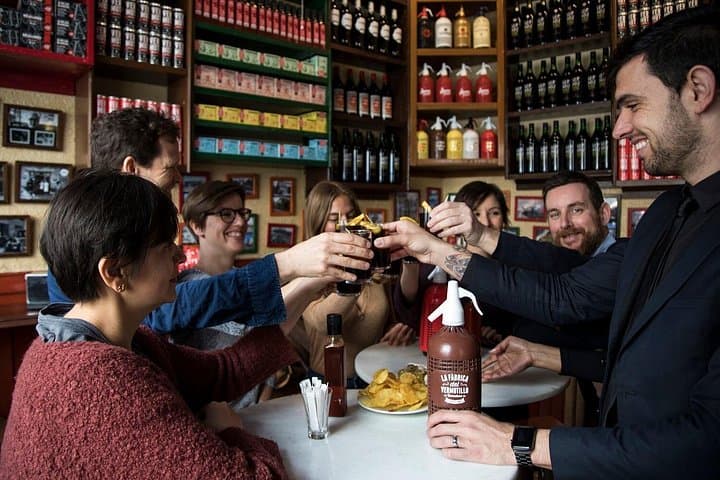
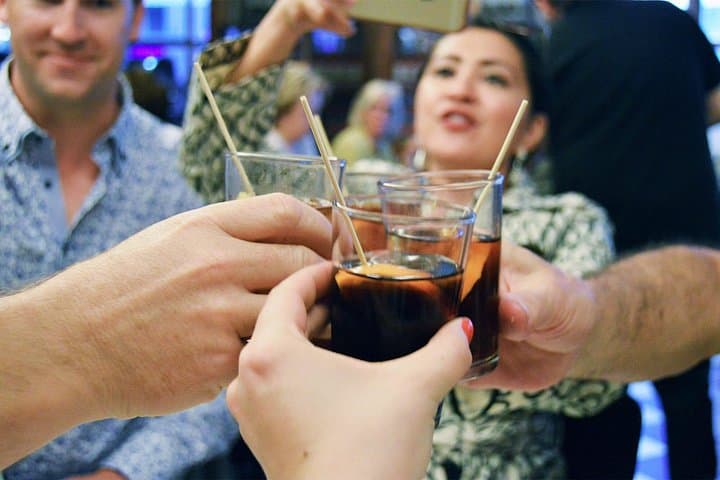
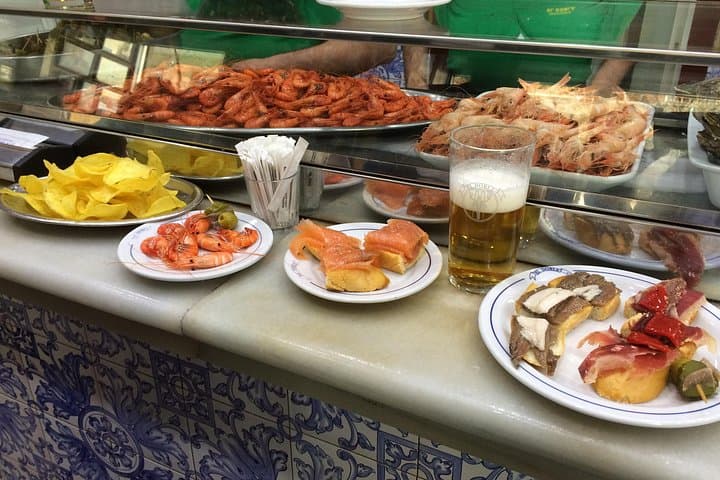
The tour typically includes several small tastings: a breakfast item like churros, market samples including jamón, and a tapas-style aperitif, designed to represent a local morning.
Yes — the pace is gentle and the route is family-friendly; specify ages when booking so guides can advise on portions and stops.
Yes — the operator asks about special requirements at booking and will modify stops where possible, but notify them in advance for best results.
Meeting points are typically near a central market or café in Barcelona’s old city; exact locations and public transport options are provided after booking.
Food Lover Tour - The Best Food Tour operates guided outdoor trips and adventures with an emphasis on safety, stewardship, and memorable experiences.
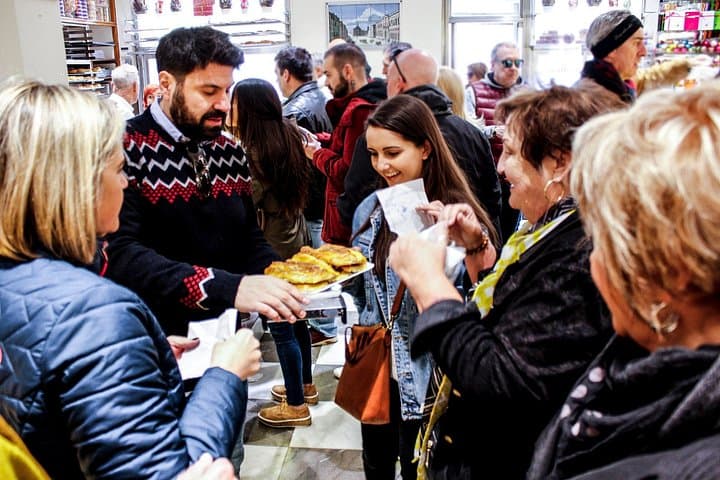
The walk begins just as the city exhales into morning: shutters rattle open, a Mediterranean breeze teases the aroma of frying oil, and market stalls throw up colorful displays that practically dare you to taste. Guests thread narrow streets from neighborhood cafes to a busy market, sampling churros dusted with sugar, paper-thin slices of jamón, and small plates that define a Spanish morning.
The walk begins just as the city exhales into morning: shutters rattle open, a Mediterranean breeze teases the aroma of frying oil, and market stalls throw up colorful displays that practically dare you to taste. Guests thread narrow streets from neighborhood cafes to a busy market, sampling churros dusted with sugar, paper-thin slices of jamón, and small plates that define a Spanish morning.
Barcelona’s food rhythms reflect its layered history — Roman grid, medieval alleys, and 19th-century market halls like La Boqueria, built on the city’s coastal plain with views toward Montjuïc’s old volcanic slopes. Catalan culinary culture mixes sea and field: anchovies and shellfish from the nearby Mediterranean, cured pork from inland farms, and a coffee habit that runs later and longer than many visitors expect.
On this three-hour anti-brunch, guides point out local habits (standing at the bar for an espresso and a bite), explain market provenance, and demonstrate how tapas function as social glue. Expect an easy, urban walk on paved streets with frequent stops for tastings — suitable for most fitness levels and families.
Practical notes: arrive hungry and with comfortable shoes; bring a small amount of cash for market purchases, though most vendors accept cards. Mid-morning light and lower crowds make the earliest slots best for photography and less jostling. If you have dietary restrictions, notify the operator in advance so the guide can adapt stops. The tour is as much about flavor as context — each bite is a short lesson in Barcelona’s living food history.