THE ADVENTURE COLLECTIVE® · Independent discovery and booking for outdoor travel

Experience Barcelona’s sporting past with hands-on exhibits, Olympic archives, and athlete showcases at the Joan Antoni Samaranch Museum on Montjuïc. Ideal for families and sports fans, the museum blends interactive challenges with historical displays in a compact visit.
Experience Barcelona’s sporting past with hands-on exhibits, Olympic archives, and athlete showcases at the Joan Antoni Samaranch Museum on Montjuïc. Ideal for families and sports fans, the museum blends interactive challenges with historical displays in a compact visit.
Step inside a bright, interactive space on Montjuïc where the rhythms of sport become tactile: cables hum at the climbing wall, a vertical-jump rig times your leap, and a Batak panel flashes as you test reflexes. Large-format photography and athlete memorabilia line the galleries; multimedia stations let you compare records and replay iconic moments from the 1992 Barcelona Games to contemporary Olympic stories.
Verified experiences and guided adventures in the surrounding area.
Operated by Touristcheck - Museu Olimpic · Barcelona, Catalonia
Step inside a bright, interactive space on Montjuïc where the rhythms of sport become tactile: cables hum at the climbing wall, a vertical-jump rig times your leap, and a Batak panel flashes as you test reflexes. Large-format photography and athlete memorabilia line the galleries; multimedia stations let you compare records and replay iconic moments from the 1992 Barcelona Games to contemporary Olympic stories.
The museum sits on Montjuïc, a volcanic promontory that shaped Barcelona’s modern skyline during the 20th century and hosted the 1992 Olympic redevelopment. The collection centers on the Samaranch archive and traces Olympic history alongside non-Olympic sports—football, cycling, motor racing—using hands-on exhibits rather than long vitrines. Expect regional context too: Catalan clubs, local athletes, and the city’s role in staging mass sporting events.
Practical guidance: plan 45–60 minutes for a focused visit; allow more time if you want to try every interactive station. The museum is wheelchair- and stroller-accessible, offers printed guides in English and Spanish, and operates a cafeteria for a quick break. Weekdays are quieter; late afternoons can be more crowded, especially during temporary exhibitions. Public transit reaches Montjuïc—bring a card for the funicular or bus—and wear comfortable shoes for the short uphill walks between sites. Keep valuables secure around interactive areas and consider visiting the nearby Olympic Ring viewpoints to extend the outing into a light outdoor exploration of Montjuïc’s terraces and gardens.
Allow 45–60 minutes for the permanent exhibition and interactives; 90 minutes if you want to explore temporary shows and try every activity.
Yes—entrances, circulation areas and exhibit floors are wheelchair accessible; check temporary exhibitions for any specific restrictions.
The museum provides informational booklets in English and Spanish; check onsite for guided tour schedules or special programming.
Mobile or paper tickets are accepted and the museum offers skip-the-line options; booking ahead is recommended during peak periods.
Touristcheck - Museu Olimpic operates guided outdoor trips and adventures with an emphasis on safety, stewardship, and memorable experiences.
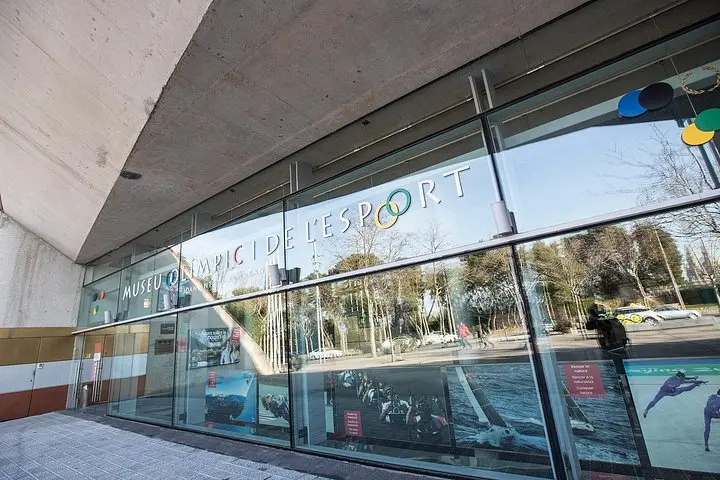
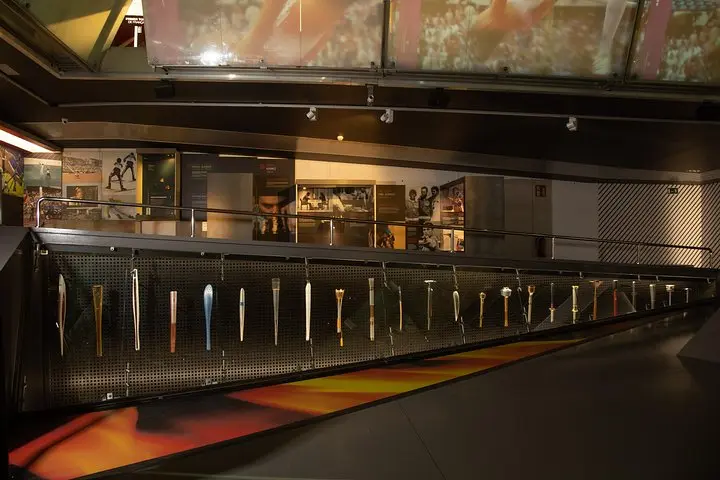
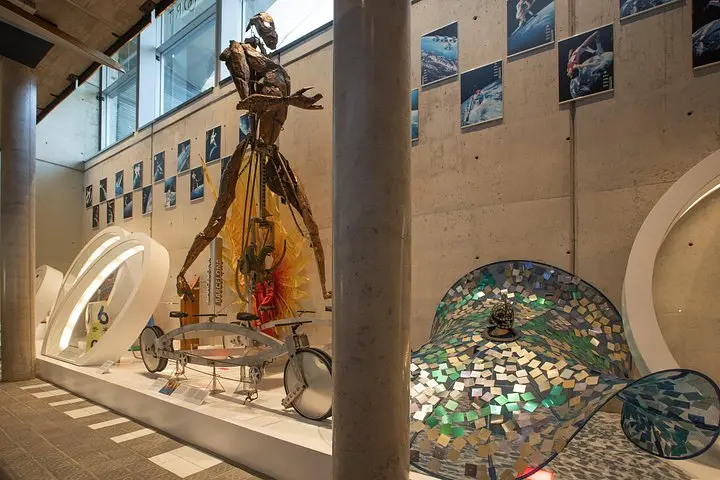
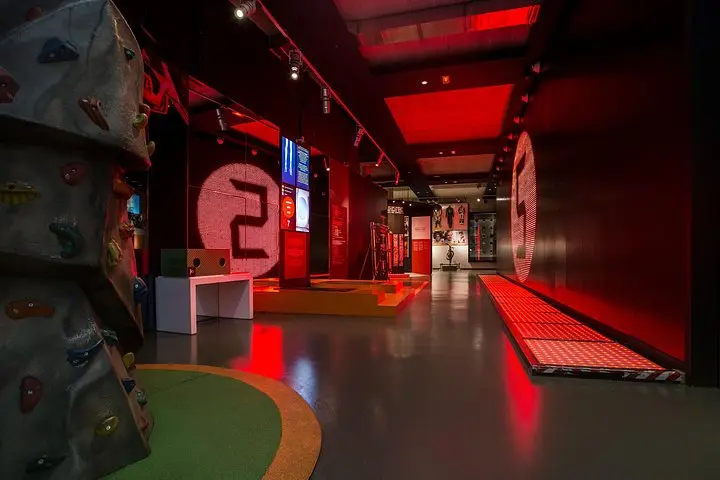
Step inside a bright, interactive space on Montjuïc where the rhythms of sport become tactile: cables hum at the climbing wall, a vertical-jump rig times your leap, and a Batak panel flashes as you test reflexes. Large-format photography and athlete memorabilia line the galleries; multimedia stations let you compare records and replay iconic moments from the 1992 Barcelona Games to contemporary Olympic stories.
Step inside a bright, interactive space on Montjuïc where the rhythms of sport become tactile: cables hum at the climbing wall, a vertical-jump rig times your leap, and a Batak panel flashes as you test reflexes. Large-format photography and athlete memorabilia line the galleries; multimedia stations let you compare records and replay iconic moments from the 1992 Barcelona Games to contemporary Olympic stories.
The museum sits on Montjuïc, a volcanic promontory that shaped Barcelona’s modern skyline during the 20th century and hosted the 1992 Olympic redevelopment. The collection centers on the Samaranch archive and traces Olympic history alongside non-Olympic sports—football, cycling, motor racing—using hands-on exhibits rather than long vitrines. Expect regional context too: Catalan clubs, local athletes, and the city’s role in staging mass sporting events.
Practical guidance: plan 45–60 minutes for a focused visit; allow more time if you want to try every interactive station. The museum is wheelchair- and stroller-accessible, offers printed guides in English and Spanish, and operates a cafeteria for a quick break. Weekdays are quieter; late afternoons can be more crowded, especially during temporary exhibitions. Public transit reaches Montjuïc—bring a card for the funicular or bus—and wear comfortable shoes for the short uphill walks between sites. Keep valuables secure around interactive areas and consider visiting the nearby Olympic Ring viewpoints to extend the outing into a light outdoor exploration of Montjuïc’s terraces and gardens.