THE ADVENTURE COLLECTIVE® · Independent discovery and booking for outdoor travel

Explore Barcelona’s Ciutat Vella by taste: a private two-hour walking tour that pairs six authentic Catalan tastings with market stops and local stories. Ideal for food lovers who want a compact, customizable orientation to the city’s flavors.
Explore Barcelona’s Ciutat Vella by taste: a private two-hour walking tour that pairs six authentic Catalan tastings with market stops and local stories. Ideal for food lovers who want a compact, customizable orientation to the city’s flavors.
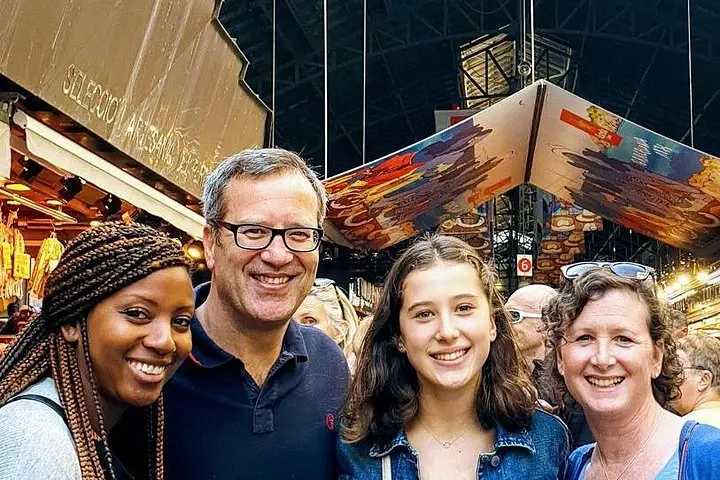
You emerge from a narrow lane into the open hum of Ciutat Vella: the air carries citrus oil, frying olive oil, and the sharp slate of anchovies laid out at a stall. A local guide threads you through alleys where the city’s stones hold layered stories—Roman gridlines under medieval facades—and stops at a market whose colorful roof seems to push the skyline forward.
Verified experiences and guided adventures in the surrounding area.
Operated by Visit Barca · Barcelona, Catalonia
You emerge from a narrow lane into the open hum of Ciutat Vella: the air carries citrus oil, frying olive oil, and the sharp slate of anchovies laid out at a stall. A local guide threads you through alleys where the city’s stones hold layered stories—Roman gridlines under medieval facades—and stops at a market whose colorful roof seems to push the skyline forward.
Barcelona’s food culture is a living record of Mediterranean trade, Catalan rural traditions, and modern culinary reinvention. Plaça de Sant Jaume has been a civic center for centuries; nearby, Santa Caterina Market—rebuilt with a wave-like roof by architects Enric Miralles and Benedetta Tagliabue—sits on the footprint of medieval supply routes. The tour traces those continuities: seafood and salt from coastal trade, slow-cooked meats from inland Catalonia, and the tapas culture that made small plates a public ritual.
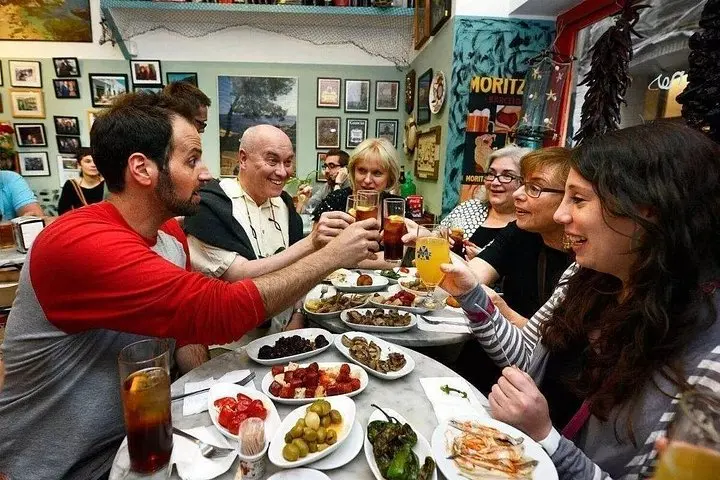
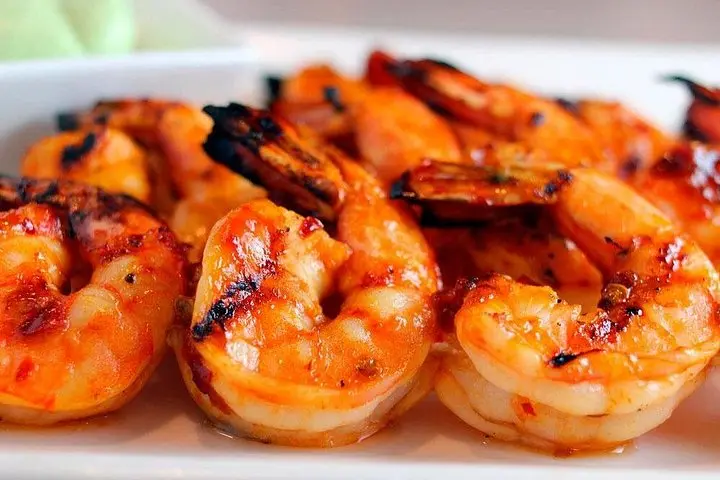
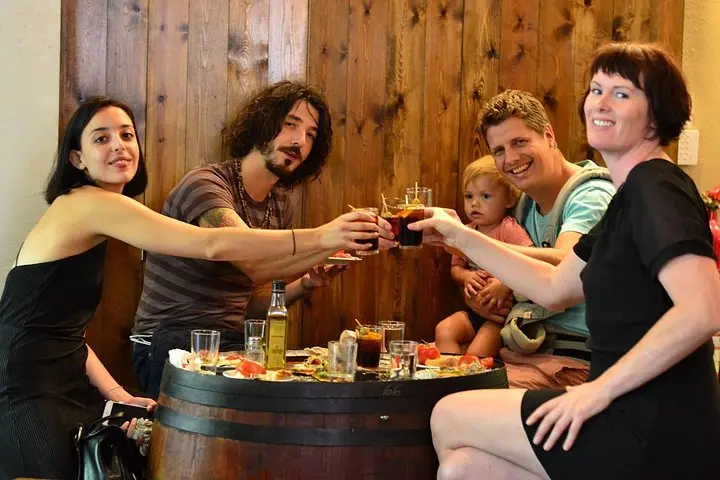
Expect six curated tastings paired with local drinks, visits to a market stall and neighborhood bars, and contextual stories about ingredients and local life. The route is flexible and private, so the guide can adjust pacing or accommodate dietary needs.
Practical guidance: plan for roughly two hours on foot across cobbled streets—comfortable shoes matter. Bring a reusable bottle and small bills for extra purchases; markets and some bars still prefer cash. Mornings are cooler and markets busiest; evenings are livelier for bar hopping. If you have mobility concerns, flag them when booking to tailor the route. This is a low-impact cultural stroll with high sensory reward.
Yes—six tastings and paired drinks are included as described; optional extras can be purchased on-site.
Yes—the tour is private and can be adapted for common dietary needs if you note them when booking.
Meeting points are typically in Ciutat Vella near Plaça de Sant Jaume or a nearby central landmark—confirm exact details on your booking voucher.
Ciutat Vella has narrow, uneven streets; accessibility can be arranged in advance but may require routing changes to avoid steps and cobbles.
Visit Barca operates guided outdoor trips and adventures with an emphasis on safety, stewardship, and memorable experiences.
You emerge from a narrow lane into the open hum of Ciutat Vella: the air carries citrus oil, frying olive oil, and the sharp slate of anchovies laid out at a stall. A local guide threads you through alleys where the city’s stones hold layered stories—Roman gridlines under medieval facades—and stops at a market whose colorful roof seems to push the skyline forward.
You emerge from a narrow lane into the open hum of Ciutat Vella: the air carries citrus oil, frying olive oil, and the sharp slate of anchovies laid out at a stall. A local guide threads you through alleys where the city’s stones hold layered stories—Roman gridlines under medieval facades—and stops at a market whose colorful roof seems to push the skyline forward.
Barcelona’s food culture is a living record of Mediterranean trade, Catalan rural traditions, and modern culinary reinvention. Plaça de Sant Jaume has been a civic center for centuries; nearby, Santa Caterina Market—rebuilt with a wave-like roof by architects Enric Miralles and Benedetta Tagliabue—sits on the footprint of medieval supply routes. The tour traces those continuities: seafood and salt from coastal trade, slow-cooked meats from inland Catalonia, and the tapas culture that made small plates a public ritual.
Expect six curated tastings paired with local drinks, visits to a market stall and neighborhood bars, and contextual stories about ingredients and local life. The route is flexible and private, so the guide can adjust pacing or accommodate dietary needs.
Practical guidance: plan for roughly two hours on foot across cobbled streets—comfortable shoes matter. Bring a reusable bottle and small bills for extra purchases; markets and some bars still prefer cash. Mornings are cooler and markets busiest; evenings are livelier for bar hopping. If you have mobility concerns, flag them when booking to tailor the route. This is a low-impact cultural stroll with high sensory reward.