THE ADVENTURE COLLECTIVE® · Independent discovery and booking for outdoor travel

Trade Barcelona's sunlit streets for simulated worlds in a one-hour VR session guided by on-site Game Masters. This private, beginner-friendly experience pairs accessible tech with local hospitality—ideal for a rainy afternoon or a quick, high-energy stop between sightseeing.
Trade Barcelona's sunlit streets for simulated worlds in a one-hour VR session guided by on-site Game Masters. This private, beginner-friendly experience pairs accessible tech with local hospitality—ideal for a rainy afternoon or a quick, high-energy stop between sightseeing.
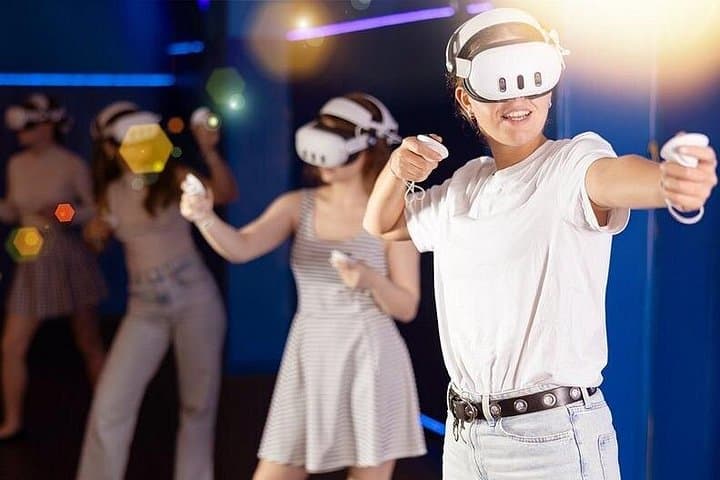
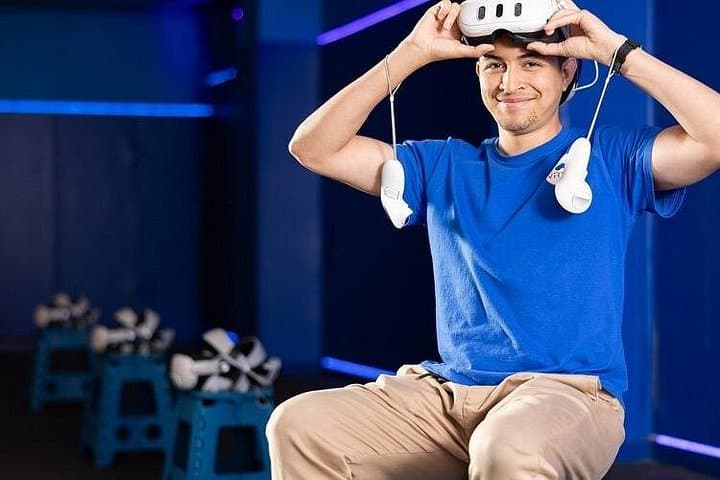
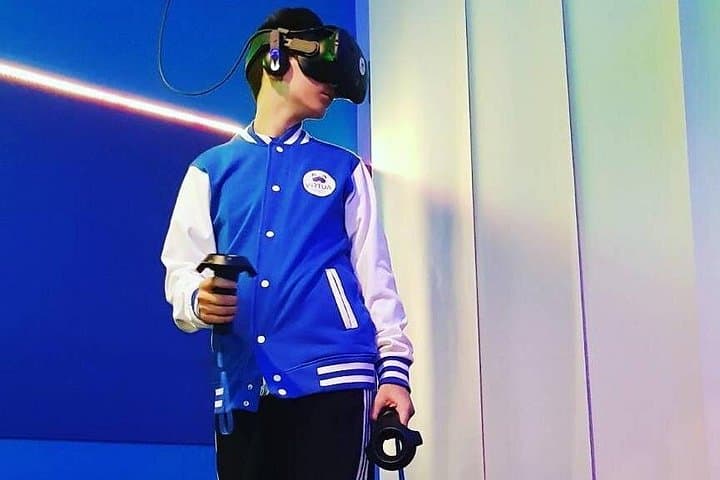
You step inside and the city's Mediterranean light fades to black as a Game Master clips a headset into place; outside, Barcelona's tram bells continue their slow rhythm, but here the streets give way to imagined worlds. In a compact studio near the city's historic core, players trade cobbled alleys for physics-defying jumps, cooperative puzzles, and escape-room logic rendered in three dimensions.
Verified experiences and guided adventures in the surrounding area.
Operated by ViRtua, virtual reality experience in Barcelona · Barcelona, Catalonia
You step inside and the city's Mediterranean light fades to black as a Game Master clips a headset into place; outside, Barcelona's tram bells continue their slow rhythm, but here the streets give way to imagined worlds. In a compact studio near the city's historic core, players trade cobbled alleys for physics-defying jumps, cooperative puzzles, and escape-room logic rendered in three dimensions.
Barcelona's modern entertainment scene sits on layers of history — Roman foundations, Gothic streets, and a 20th-century surge in cultural tourism that helped incubate new leisure industries. Geologically the city spreads from the Collserola ridge toward the sea, and its tech and startup communities have leaned into immersive media, making VR venues an increasingly common urban draw.
Culturally, the experience blends local hospitality with international tech: bilingual Game Masters, short-form sessions tuned to tourists, and a social, small-group format that mirrors Spain's emphasis on shared experiences. The studio's one-hour sessions (prices start near €24.50) are private by booking and staffed for beginners and curious players.
Practical guidance: arrive 10–15 minutes early to choose games and get fitted; wear comfortable clothing and secure loose items. The activity is wheelchair-accessible but not recommended for pregnant guests or those with serious heart conditions. If you get motion sick, opt for stationary or puzzle-based scenarios and tell staff — they can suggest gentler titles. Bookings are instant and mobile tickets are accepted; sales are final, so confirm your window before you reserve.
This is a short, high-adrenaline way to expand a Barcelona itinerary, especially on a rainy afternoon or as a tech-first stop between tapas and Gaudí.
Sessions run one hour from start to finish; plan to arrive 10–15 minutes early for check-in and briefing.
The activity is family-friendly and designed for beginners, but age policies vary—operators collect age information at booking, so check ahead for specific child-appropriate titles.
The venue reports wheelchair-accessible surfaces and transportation; staff can adapt some experiences, but confirm specific needs when booking.
All sales are final for this provider, so double-check your date and time before purchasing; bookings are instant with mobile ticketing.
ViRtua, virtual reality experience in Barcelona operates guided outdoor trips and adventures with an emphasis on safety, stewardship, and memorable experiences.

You step inside and the city's Mediterranean light fades to black as a Game Master clips a headset into place; outside, Barcelona's tram bells continue their slow rhythm, but here the streets give way to imagined worlds. In a compact studio near the city's historic core, players trade cobbled alleys for physics-defying jumps, cooperative puzzles, and escape-room logic rendered in three dimensions.
You step inside and the city's Mediterranean light fades to black as a Game Master clips a headset into place; outside, Barcelona's tram bells continue their slow rhythm, but here the streets give way to imagined worlds. In a compact studio near the city's historic core, players trade cobbled alleys for physics-defying jumps, cooperative puzzles, and escape-room logic rendered in three dimensions.
Barcelona's modern entertainment scene sits on layers of history — Roman foundations, Gothic streets, and a 20th-century surge in cultural tourism that helped incubate new leisure industries. Geologically the city spreads from the Collserola ridge toward the sea, and its tech and startup communities have leaned into immersive media, making VR venues an increasingly common urban draw.
Culturally, the experience blends local hospitality with international tech: bilingual Game Masters, short-form sessions tuned to tourists, and a social, small-group format that mirrors Spain's emphasis on shared experiences. The studio's one-hour sessions (prices start near €24.50) are private by booking and staffed for beginners and curious players.
Practical guidance: arrive 10–15 minutes early to choose games and get fitted; wear comfortable clothing and secure loose items. The activity is wheelchair-accessible but not recommended for pregnant guests or those with serious heart conditions. If you get motion sick, opt for stationary or puzzle-based scenarios and tell staff — they can suggest gentler titles. Bookings are instant and mobile tickets are accepted; sales are final, so confirm your window before you reserve.
This is a short, high-adrenaline way to expand a Barcelona itinerary, especially on a rainy afternoon or as a tech-first stop between tapas and Gaudí.