THE ADVENTURE COLLECTIVE® · Independent discovery and booking for outdoor travel

Explore Barcelona’s Gothic Quarter, Las Ramblas and La Boqueria with an Arabic-speaking guide on a focused two-hour walking tour. Ideal for first-time visitors who want history, food stops, and practical orientation in a short time.
Explore Barcelona’s Gothic Quarter, Las Ramblas and La Boqueria with an Arabic-speaking guide on a focused two-hour walking tour. Ideal for first-time visitors who want history, food stops, and practical orientation in a short time.
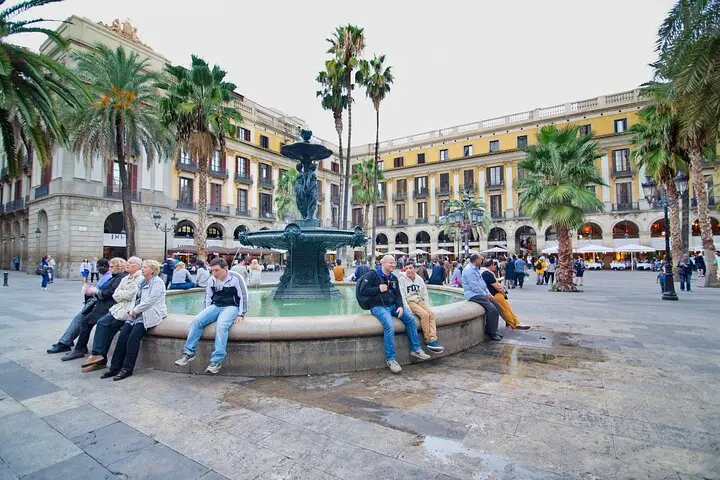
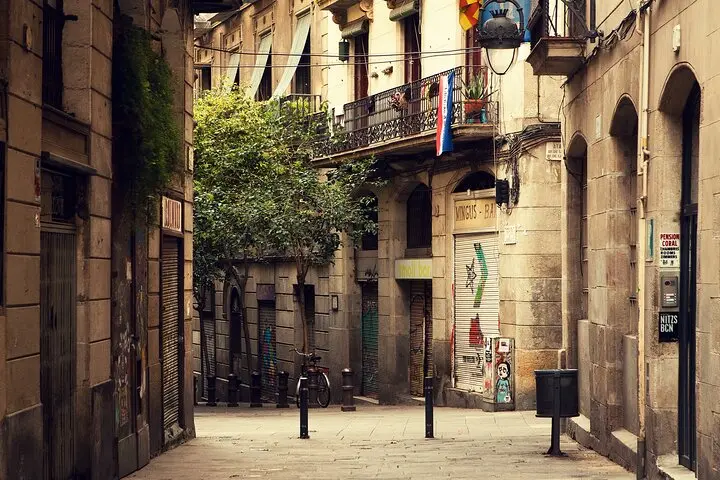
You meet at Plaça de Catalunya, the city’s pulse, where buses hum and pigeons weave between fountains. The guide speaks Arabic and begins to thread the group into the Gothic Quarter, a maze of narrow lanes where stone façades keep the heat and stories close. As you walk, the city talks — shutters clicking, market stalls calling — and Las Ramblas pulls the crowd toward the sea.
Verified experiences and guided adventures in the surrounding area.
Operated by Barcelona Arab Tours · Barcelona, Catalonia
You meet at Plaça de Catalunya, the city’s pulse, where buses hum and pigeons weave between fountains. The guide speaks Arabic and begins to thread the group into the Gothic Quarter, a maze of narrow lanes where stone façades keep the heat and stories close. As you walk, the city talks — shutters clicking, market stalls calling — and Las Ramblas pulls the crowd toward the sea.
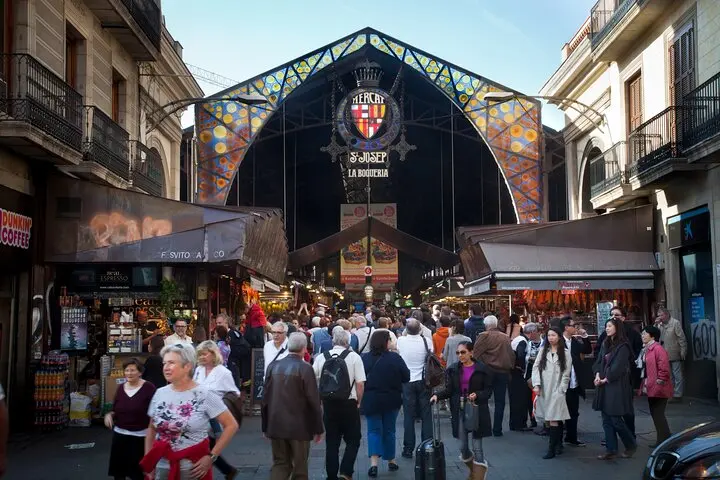
Barcelona began as Roman Barcino, and the Gothic Quarter still shows those layers: Roman street plans under medieval facades and the neo-Gothic flourishes from 19th-century urban renewal. Geologically, you’re on a Mediterranean coastal plain cut by the slow rise of Montjuïc and the Collserola ridge, which frame the city and influence its light and sea breezes. Culture here is distinctly Catalan: expect bilingual signage, local culinary pride at La Boqueria market, and contemporary art nods at the Picasso Museum.
The tour moves at an easy pace — cathedral plazas, a stop at the Picasso Museum exterior, La Boqueria’s colors and smells — finishing back at Plaça de Catalunya after roughly two hours. Wear comfortable shoes for cobbled streets, carry water and a small bag for purchases, and keep valuables secure; Las Ramblas is lively but busy.
Practical: this walk is ideal for first-time visitors who want orientation, food lovers curious about market culture, and Arabic speakers seeking local context. Best taken early to avoid peak crowds and heat; winter mornings are calmer and spring brings market freshness.
The meeting point is Plaça de Catalunya; the guide typically stands near the central fountain—arrive 10 minutes early to locate them.
Yes—this is an easy-paced, two-hour walk suitable for all fitness levels, though cobbled streets may be tricky for strollers or limited mobility.
No—this guided walk covers exterior commentary and market time; museum admissions and tastings are paid separately by participants.
The tour is conducted in Arabic, providing local history and cultural context in that language.
Barcelona Arab Tours operates guided outdoor trips and adventures with an emphasis on safety, stewardship, and memorable experiences.
You meet at Plaça de Catalunya, the city’s pulse, where buses hum and pigeons weave between fountains. The guide speaks Arabic and begins to thread the group into the Gothic Quarter, a maze of narrow lanes where stone façades keep the heat and stories close. As you walk, the city talks — shutters clicking, market stalls calling — and Las Ramblas pulls the crowd toward the sea.
You meet at Plaça de Catalunya, the city’s pulse, where buses hum and pigeons weave between fountains. The guide speaks Arabic and begins to thread the group into the Gothic Quarter, a maze of narrow lanes where stone façades keep the heat and stories close. As you walk, the city talks — shutters clicking, market stalls calling — and Las Ramblas pulls the crowd toward the sea.
Barcelona began as Roman Barcino, and the Gothic Quarter still shows those layers: Roman street plans under medieval facades and the neo-Gothic flourishes from 19th-century urban renewal. Geologically, you’re on a Mediterranean coastal plain cut by the slow rise of Montjuïc and the Collserola ridge, which frame the city and influence its light and sea breezes. Culture here is distinctly Catalan: expect bilingual signage, local culinary pride at La Boqueria market, and contemporary art nods at the Picasso Museum.
The tour moves at an easy pace — cathedral plazas, a stop at the Picasso Museum exterior, La Boqueria’s colors and smells — finishing back at Plaça de Catalunya after roughly two hours. Wear comfortable shoes for cobbled streets, carry water and a small bag for purchases, and keep valuables secure; Las Ramblas is lively but busy.
Practical: this walk is ideal for first-time visitors who want orientation, food lovers curious about market culture, and Arabic speakers seeking local context. Best taken early to avoid peak crowds and heat; winter mornings are calmer and spring brings market freshness.