THE ADVENTURE COLLECTIVE® · Independent discovery and booking for outdoor travel

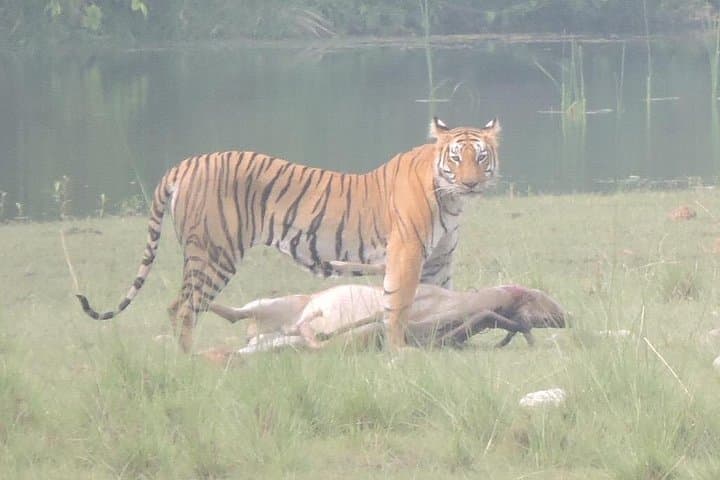
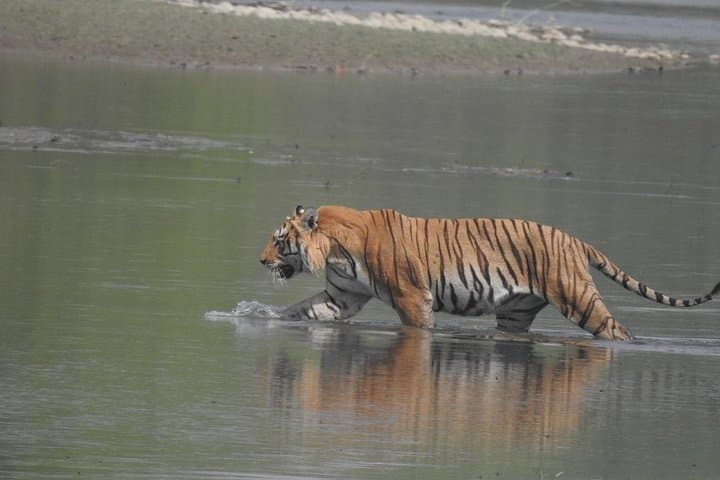
Four days of jeep and on-foot safaris through Bardia National Park give you concentrated chances to see tiger, rhino, elephant and leopard. This private, guided package mixes full-day jeep drives, a walking tiger track, cultural visits and breeding centers for a rounded Terai experience.
Four days of jeep and on-foot safaris through Bardia National Park give you concentrated chances to see tiger, rhino, elephant and leopard. This private, guided package mixes full-day jeep drives, a walking tiger track, cultural visits and breeding centers for a rounded Terai experience.
You step out of the lodge as dawn strips the sky of stars and the Sal forest exhales a warm, loamy breath. Low scrub and tall grasses meet the slow curve of the Babai River, which dares you to come closer; kingfisher flashes and hornbills puncture the quiet as the guide checks his tracker.
Verified experiences and guided adventures in the surrounding area.
Operated by Sunshine Travel Agency · Gulariya, Lumbini Province
You step out of the lodge as dawn strips the sky of stars and the Sal forest exhales a warm, loamy breath. Low scrub and tall grasses meet the slow curve of the Babai River, which dares you to come closer; kingfisher flashes and hornbills puncture the quiet as the guide checks his tracker.
Bardia sits on the Terai floodplain where alluvial soils meet the lower Siwalik foothills. The park was declared a protected area in the late 20th century to safeguard one of Nepal’s last sizable tiger populations and its resident rhinoceros. The human story here is living—Tharu villages line the park buffer, and you’ll often return to an evening Tharu dance that keeps local ritual and resilience on view.
Expect two distinct modes of exploration: a full-day jeep safari that pushes deep into off-road Sal corridors and an on-foot tiger tracking day that trades speed for intimacy. Geology shapes both: flat, seasonally waterlogged grasslands funnel wildlife to predictable water holes; those sites are where waits often pay off.
Practical notes: mornings and late afternoons are prime; guides bring trackers and radio contact with park rangers. Wear long sleeves, carry water and sunscreen, and be prepared for mosquitoes and mud in the monsoon. Photography benefits from a 200–400mm lens and steady patience—animals are often seen from hides or patiently watched from jeeps.
Over three nights you’ll rotate jeep, walk, cultural visits, and breeding-center stops—an immersive, practical program aimed at maximizing wildlife encounters while supporting local communities.
Bardia offers some of Nepal’s best tiger odds, especially with combined jeep and walking safaris and experienced trackers—but sightings cannot be guaranteed.
Yes—this package includes park permits, an expert naturalist, and required fees as listed in the tour inclusions.
Walking safaris involve 4–6 hour days on uneven terrain and may not be suitable for guests with spinal, heart or pregnancy-related restrictions listed by the operator.
Travel options include a short domestic flight to Nepalgunj followed by a 3–4 hour drive, or an overland bus/drive of 10–12 hours; the operator can coordinate transfers.
Sunshine Travel Agency operates guided outdoor trips and adventures with an emphasis on safety, stewardship, and memorable experiences.


You step out of the lodge as dawn strips the sky of stars and the Sal forest exhales a warm, loamy breath. Low scrub and tall grasses meet the slow curve of the Babai River, which dares you to come closer; kingfisher flashes and hornbills puncture the quiet as the guide checks his tracker.
You step out of the lodge as dawn strips the sky of stars and the Sal forest exhales a warm, loamy breath. Low scrub and tall grasses meet the slow curve of the Babai River, which dares you to come closer; kingfisher flashes and hornbills puncture the quiet as the guide checks his tracker.
Bardia sits on the Terai floodplain where alluvial soils meet the lower Siwalik foothills. The park was declared a protected area in the late 20th century to safeguard one of Nepal’s last sizable tiger populations and its resident rhinoceros. The human story here is living—Tharu villages line the park buffer, and you’ll often return to an evening Tharu dance that keeps local ritual and resilience on view.
Expect two distinct modes of exploration: a full-day jeep safari that pushes deep into off-road Sal corridors and an on-foot tiger tracking day that trades speed for intimacy. Geology shapes both: flat, seasonally waterlogged grasslands funnel wildlife to predictable water holes; those sites are where waits often pay off.
Practical notes: mornings and late afternoons are prime; guides bring trackers and radio contact with park rangers. Wear long sleeves, carry water and sunscreen, and be prepared for mosquitoes and mud in the monsoon. Photography benefits from a 200–400mm lens and steady patience—animals are often seen from hides or patiently watched from jeeps.
Over three nights you’ll rotate jeep, walk, cultural visits, and breeding-center stops—an immersive, practical program aimed at maximizing wildlife encounters while supporting local communities.