THE ADVENTURE COLLECTIVE® · Independent discovery and booking for outdoor travel

Walk Bari’s old town with a local guide to see the Basilica of San Nicola, the Norman-Swabian Castle and the lanes where orecchiette is hand-shaped. This 2-hour private tour blends history, architecture and street food with practical local insights.
Walk Bari’s old town with a local guide to see the Basilica of San Nicola, the Norman-Swabian Castle and the lanes where orecchiette is hand-shaped. This 2-hour private tour blends history, architecture and street food with practical local insights.
The sea breeze slides along the Lungomare as your guide leads you into Bari Vecchia's narrow lanes, where laundry swings over cobblestones and the scent of frying focaccia pulls you toward a corner shop. In two hours you'll thread through crumbling palazzi, stand beneath the Romanesque arches of the Basilica of San Nicola, and look up at the squat, defensive walls of the Norman-Swabian Castle.
Verified experiences and guided adventures in the surrounding area.
Operated by Guydeez · Bari, Puglia
The sea breeze slides along the Lungomare as your guide leads you into Bari Vecchia's narrow lanes, where laundry swings over cobblestones and the scent of frying focaccia pulls you toward a corner shop. In two hours you'll thread through crumbling palazzi, stand beneath the Romanesque arches of the Basilica of San Nicola, and look up at the squat, defensive walls of the Norman-Swabian Castle.
Bari’s harbor and limestone shores shaped its economy and architecture; the city has been a crossroads of Byzantine, Norman and Angevin influence. The Basilica—built to house relics of Saint Nicholas—offers Romanesque sculpture and a tangible link to medieval pilgrimage. The castle speaks to Bari’s role as a fortified Adriatic port, while the old town’s lanes preserve working-class traditions: women hand-pressing orecchiette, family-run bakeries, and informal piazza life.
Expect close-up city scenes rather than long walks: uneven stone, tight alleys and sudden sea views. Food is central—try popizze or sgagliozze at a street stall and watch orecchiette being shaped in a doorway. Guides typically tailor the route to interests, balancing history, architecture and local eats.
Practical guide: wear grippy shoes for slick stone, carry a small water bottle, and plan the tour for morning or late afternoon to avoid midday heat in summer. If you need step-free access, request it when booking—many routes can be adapted. Bring a camera, comfortable layers, and some euros for snacks; the best discoveries are the side streets your guide knows how to navigate.
Yes—many areas are accessible but some historic alleys have thresholds; notify the operator when booking to plan an accessible route.
The listing offers private or small-group options; confirm your choice at booking to ensure the experience matches your preference.
No—this is a city walking tour outside and around sites; any entry fees to museums or churches are typically extra.
Guides are available in English, Spanish, French and Italian; request your preferred language when you book.
Guydeez operates guided outdoor trips and adventures with an emphasis on safety, stewardship, and memorable experiences.
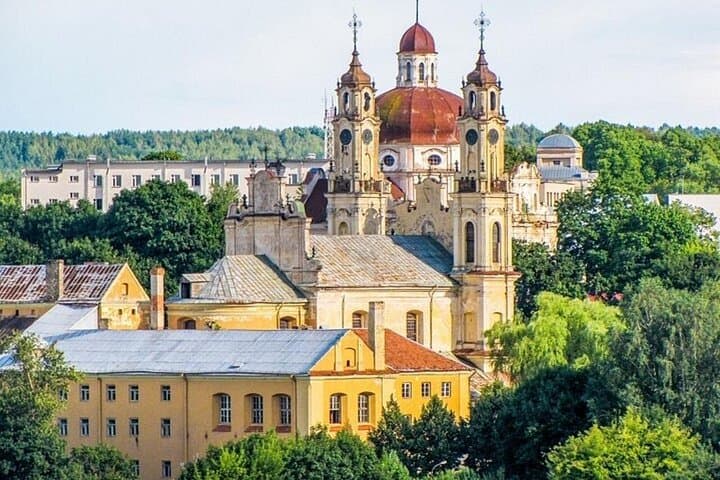


The sea breeze slides along the Lungomare as your guide leads you into Bari Vecchia's narrow lanes, where laundry swings over cobblestones and the scent of frying focaccia pulls you toward a corner shop. In two hours you'll thread through crumbling palazzi, stand beneath the Romanesque arches of the Basilica of San Nicola, and look up at the squat, defensive walls of the Norman-Swabian Castle.
The sea breeze slides along the Lungomare as your guide leads you into Bari Vecchia's narrow lanes, where laundry swings over cobblestones and the scent of frying focaccia pulls you toward a corner shop. In two hours you'll thread through crumbling palazzi, stand beneath the Romanesque arches of the Basilica of San Nicola, and look up at the squat, defensive walls of the Norman-Swabian Castle.
Bari’s harbor and limestone shores shaped its economy and architecture; the city has been a crossroads of Byzantine, Norman and Angevin influence. The Basilica—built to house relics of Saint Nicholas—offers Romanesque sculpture and a tangible link to medieval pilgrimage. The castle speaks to Bari’s role as a fortified Adriatic port, while the old town’s lanes preserve working-class traditions: women hand-pressing orecchiette, family-run bakeries, and informal piazza life.
Expect close-up city scenes rather than long walks: uneven stone, tight alleys and sudden sea views. Food is central—try popizze or sgagliozze at a street stall and watch orecchiette being shaped in a doorway. Guides typically tailor the route to interests, balancing history, architecture and local eats.
Practical guide: wear grippy shoes for slick stone, carry a small water bottle, and plan the tour for morning or late afternoon to avoid midday heat in summer. If you need step-free access, request it when booking—many routes can be adapted. Bring a camera, comfortable layers, and some euros for snacks; the best discoveries are the side streets your guide knows how to navigate.