THE ADVENTURE COLLECTIVE® · Independent discovery and booking for outdoor travel

A compact, private two-hour introduction to Bariloche that pairs the Civic Center’s historic stonework with lakeside viewpoints at Los Balcones Panorámicos. Perfect for travelers who want context—history, geology and local tips—before exploring Nahuel Huapi National Park.
A compact, private two-hour introduction to Bariloche that pairs the Civic Center’s historic stonework with lakeside viewpoints at Los Balcones Panorámicos. Perfect for travelers who want context—history, geology and local tips—before exploring Nahuel Huapi National Park.
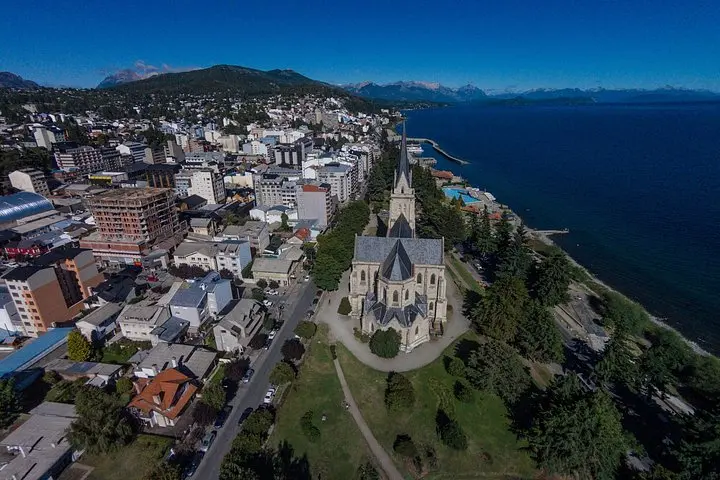
You step out of the shaded plaza into a wind that tastes of meltwater and pine—Nahuel Huapi Lake pulls at the edge of town, its surface restless under the Andes sky. The guide greets you in Spanish, the cadence of the city already layered into the conversation: chocolate shops and boat slips, Germanic alpine facades and the low-slung stone of public buildings. For the next two hours the tour moves like a local dramaturgy, passing through civic ceremony, residential streets and a pair of viewpoints that stage Bariloche’s relationship with the lake and the mountain.
Verified experiences and guided adventures in the surrounding area.
Operated by Gerardo de los Cerros · San Carlos de Bariloche, Río Negro
You step out of the shaded plaza into a wind that tastes of meltwater and pine—Nahuel Huapi Lake pulls at the edge of town, its surface restless under the Andes sky. The guide greets you in Spanish, the cadence of the city already layered into the conversation: chocolate shops and boat slips, Germanic alpine facades and the low-slung stone of public buildings. For the next two hours the tour moves like a local dramaturgy, passing through civic ceremony, residential streets and a pair of viewpoints that stage Bariloche’s relationship with the lake and the mountain.
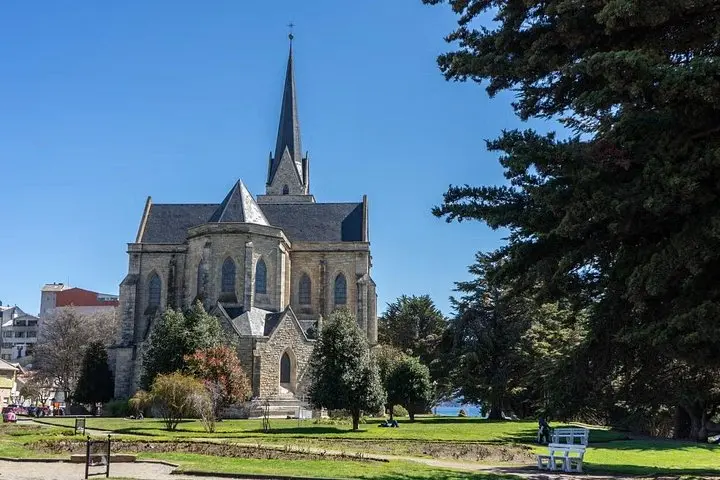
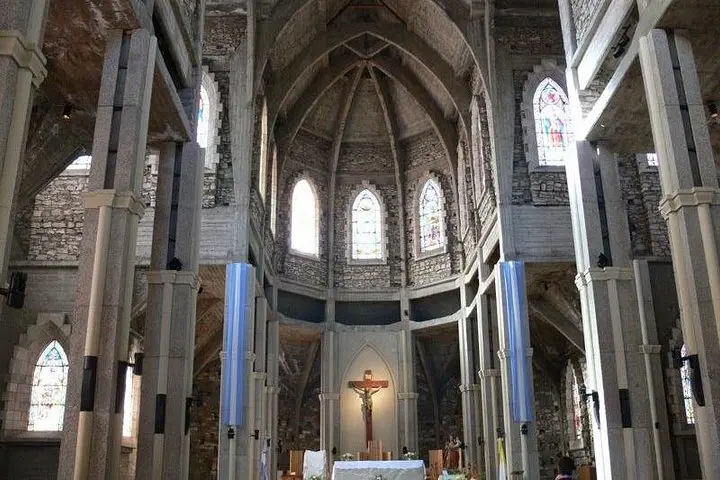
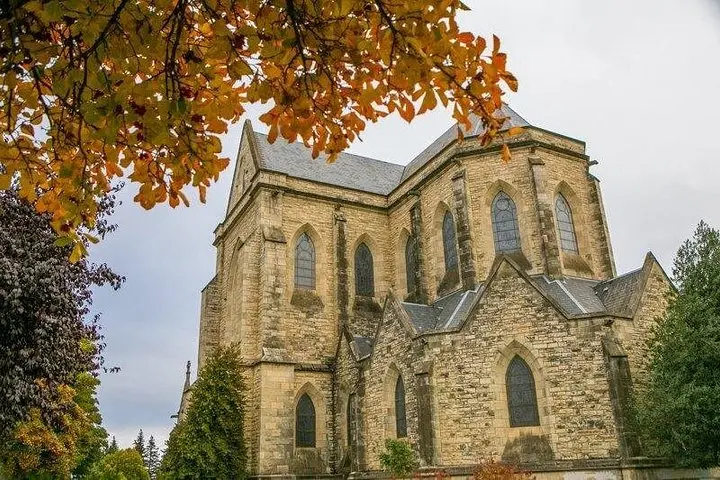
The Civic Center—built in 1940 from cypress, larch and tuff stone quarried at Cerro Carbón—was planned as the urban heart of San Carlos de Bariloche. Its architecture borrows alpine forms brought by European settlers, but the place sits on older ground: this region is part of the Patagonian Andean arc carved by Pleistocene glaciers and long inhabited by Mapuche families whose presence shaped place names and local practices. As you stand in the square, the guide points out the Intendencia building for Nahuel Huapi National Park, a reminder that much of the dramatic landscape beyond the streets is protected and still restless—rivers and glaciers that once scoured valleys now feed the lake you’ll see from the balcones.
Los Balcones Panorámicos are less about a single dramatic summit and more about vantage—wooden railings and clear sightlines across water and forest where you can watch clouds move across granite ridges. The upper-city neighborhoods you drive through show Bariloche’s two faces: a tourism engine with chocolate shops along Calle Mitre and quieter residential blocks where locals gather at neighborhood cafés.
Practical details are straightforward. This private, two-hour tour works well as an afternoon orientation; many operators offer hotel pickup within the central radius and the tour is conducted in Spanish. Expect light walking—street surfaces and short stairs—and carry layers: the weather shifts fast near the lake and elevation is around 890–900 meters. Bring a refillable water bottle, sun protection, and comfortable footwear.
Timing matters: morning light slants clean across the lake, while late afternoon gives warmer tones on the Civic Center’s wood and stone. If you want translation or a guide in English, request it when booking. The route includes driving segments and two short stops for photos and neighborhood walks, so it’s ideal for travelers who want a quick, intimate primer on Bariloche’s culture, geology and civic life before heading farther into the national park or up to Cerro Catedral.
This tour is an efficient way to read the city—its built record, the push-and-pull of tourism, and the lake that frames everything—without losing the small details: a baker’s window, a park bench with a view, a guide who points out where the best hot chocolate is made.
Yes, this listing is a private tour reserved for your group only.
The included guide speaks Spanish; request English when booking if needed.
Pickup is available for hotels within the central radius; if outside that area the meeting point is Moreno 252 (near the Nahuel Huapi Hotel).
Infants are allowed but must sit on an adult’s lap; the tour’s light activity is family-friendly.
This private tour can be adjusted within the two-hour window—mention special interests when booking.
For a full refund cancel at least 24 hours before the scheduled departure time.
Gerardo de los Cerros operates guided outdoor trips and adventures with an emphasis on safety, stewardship, and memorable experiences.
You step out of the shaded plaza into a wind that tastes of meltwater and pine—Nahuel Huapi Lake pulls at the edge of town, its surface restless under the Andes sky. The guide greets you in Spanish, the cadence of the city already layered into the conversation: chocolate shops and boat slips, Germanic alpine facades and the low-slung stone of public buildings. For the next two hours the tour moves like a local dramaturgy, passing through civic ceremony, residential streets and a pair of viewpoints that stage Bariloche’s relationship with the lake and the mountain.
You step out of the shaded plaza into a wind that tastes of meltwater and pine—Nahuel Huapi Lake pulls at the edge of town, its surface restless under the Andes sky. The guide greets you in Spanish, the cadence of the city already layered into the conversation: chocolate shops and boat slips, Germanic alpine facades and the low-slung stone of public buildings. For the next two hours the tour moves like a local dramaturgy, passing through civic ceremony, residential streets and a pair of viewpoints that stage Bariloche’s relationship with the lake and the mountain.
The Civic Center—built in 1940 from cypress, larch and tuff stone quarried at Cerro Carbón—was planned as the urban heart of San Carlos de Bariloche. Its architecture borrows alpine forms brought by European settlers, but the place sits on older ground: this region is part of the Patagonian Andean arc carved by Pleistocene glaciers and long inhabited by Mapuche families whose presence shaped place names and local practices. As you stand in the square, the guide points out the Intendencia building for Nahuel Huapi National Park, a reminder that much of the dramatic landscape beyond the streets is protected and still restless—rivers and glaciers that once scoured valleys now feed the lake you’ll see from the balcones.
Los Balcones Panorámicos are less about a single dramatic summit and more about vantage—wooden railings and clear sightlines across water and forest where you can watch clouds move across granite ridges. The upper-city neighborhoods you drive through show Bariloche’s two faces: a tourism engine with chocolate shops along Calle Mitre and quieter residential blocks where locals gather at neighborhood cafés.
Practical details are straightforward. This private, two-hour tour works well as an afternoon orientation; many operators offer hotel pickup within the central radius and the tour is conducted in Spanish. Expect light walking—street surfaces and short stairs—and carry layers: the weather shifts fast near the lake and elevation is around 890–900 meters. Bring a refillable water bottle, sun protection, and comfortable footwear.
Timing matters: morning light slants clean across the lake, while late afternoon gives warmer tones on the Civic Center’s wood and stone. If you want translation or a guide in English, request it when booking. The route includes driving segments and two short stops for photos and neighborhood walks, so it’s ideal for travelers who want a quick, intimate primer on Bariloche’s culture, geology and civic life before heading farther into the national park or up to Cerro Catedral.
This tour is an efficient way to read the city—its built record, the push-and-pull of tourism, and the lake that frames everything—without losing the small details: a baker’s window, a park bench with a view, a guide who points out where the best hot chocolate is made.